





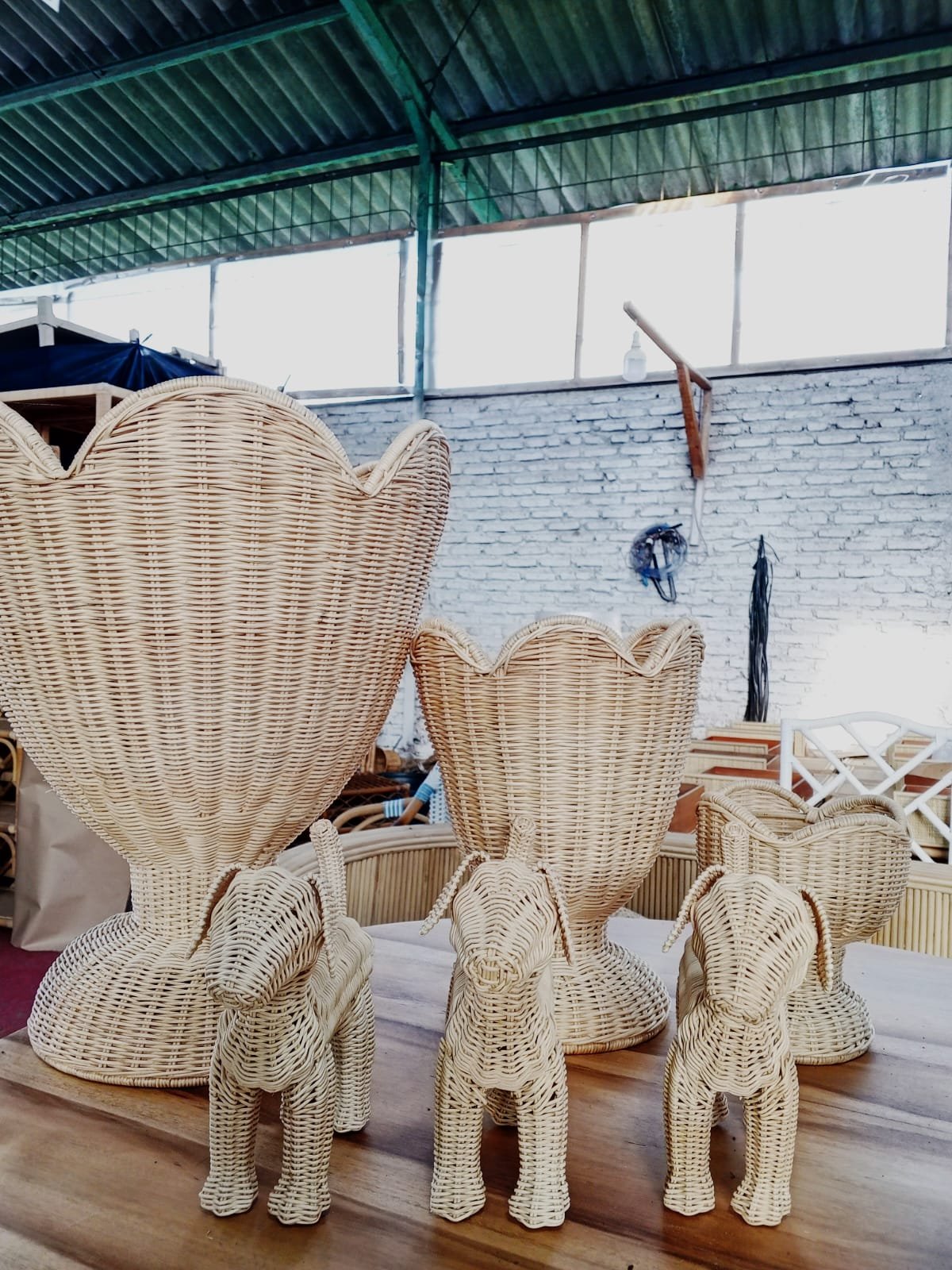
Rattan furniture manufacturing is a significant contributor to the economies of Southeast Asia, where the material naturally grows and has been traditionally used for centuries. Countries such as Indonesia, Malaysia, Vietnam, and the Philippines have established themselves as leading producers of rattan furniture, supplying both domestic and international markets. Beyond its cultural significance, the rattan industry has a substantial economic impact, generating employment, supporting local communities, and contributing to export revenues. Understanding this economic role highlights the importance of sustainable and efficient production practices in the region.
Employment Generation and Skill Development
One of the most direct economic impacts of rattan furniture manufacturing is employment generation. The industry employs thousands of skilled artisans, craftsmen, and factory workers across Southeast Asia. These jobs range from harvesting and processing raw rattan to weaving, assembling, and finishing furniture.
Many workers acquire specialized skills through hands-on experience and apprenticeship programs. These skills, especially in weaving and craftsmanship, are valuable assets that can sustain livelihoods and preserve traditional knowledge. By providing stable employment and skill development opportunities, the rattan industry contributes to economic stability and social development in rural and urban areas alike.
Supporting Local Communities and Economies
Rattan furniture manufacturing also benefits local communities by creating additional economic opportunities. Many small-scale producers and cooperatives operate in rural areas where alternative sources of income may be limited. The industry provides a steady market for raw rattan harvested by local collectors, ensuring a reliable source of income for these communities.
Moreover, the industry’s demand for materials, tools, and services stimulates local businesses, from small workshops supplying production tools to transportation providers delivering raw materials and finished products. This ripple effect strengthens regional economies and promotes sustainable rural development.
Contribution to National and Regional Exports
Rattan furniture is in high demand in international markets, particularly in Europe, North America, and parts of Asia. Countries in Southeast Asia benefit significantly from the export of rattan furniture, generating foreign exchange earnings and boosting trade balances.
Indonesia, for example, is one of the largest exporters of rattan furniture globally. Its products are widely appreciated for their quality craftsmanship, durability, and eco-friendly characteristics. Export revenues from rattan furniture help support national economies and provide funding for further industrial development, infrastructure, and community programs.
Promoting Sustainable Economic Growth
The rattan furniture industry contributes to sustainable economic growth in several ways. First, rattan is a renewable and environmentally friendly material, which allows for long-term production without significant ecological depletion. Sustainable harvesting practices ensure that forests remain productive while supporting local economies.
Second, by combining traditional craftsmanship with modern manufacturing and design innovations, the industry can increase productivity, expand international market access, and enhance economic value. Sustainable production practices also appeal to global buyers who prioritize environmentally responsible products, further strengthening economic prospects.
Opportunities for Small and Medium Enterprises (SMEs)
The rattan furniture industry provides opportunities for small and medium-sized enterprises (SMEs) to participate in both domestic and international markets. Many SMEs specialize in specific aspects of the production process, such as weaving, finishing, or exporting, creating a diversified and resilient supply chain.
These businesses can adapt more quickly to changes in consumer trends and demands, offering innovative designs or niche products that appeal to specialized markets. Supporting SMEs in the rattan sector helps create inclusive economic growth by enabling a broader segment of society to benefit from the industry.
Challenges and Economic Considerations
While the economic impact of rattan furniture manufacturing is significant, the industry also faces challenges that can affect its long-term sustainability. Competition from synthetic and alternative furniture materials, fluctuating global demand, and the need for skilled labor pose economic risks. Additionally, ensuring sustainable harvesting and production practices is crucial to prevent environmental degradation that could threaten the availability of raw rattan.
Addressing these challenges requires coordinated efforts from manufacturers, governments, and international partners to maintain industry growth and maximize its economic benefits.
Conclusion
Rattan furniture manufacturing has a profound economic impact on Southeast Asia by generating employment, supporting local communities, contributing to export revenues, and promoting sustainable growth. The industry not only preserves cultural craftsmanship but also drives economic development in rural and urban areas.
As global demand for eco-friendly and sustainable furniture continues to rise, the economic significance of rattan furniture manufacturing in Southeast Asia is likely to increase. By investing in skilled labor, sustainable practices, and innovation, the region can continue to leverage rattan manufacturing as a key driver of economic prosperity and social development.