





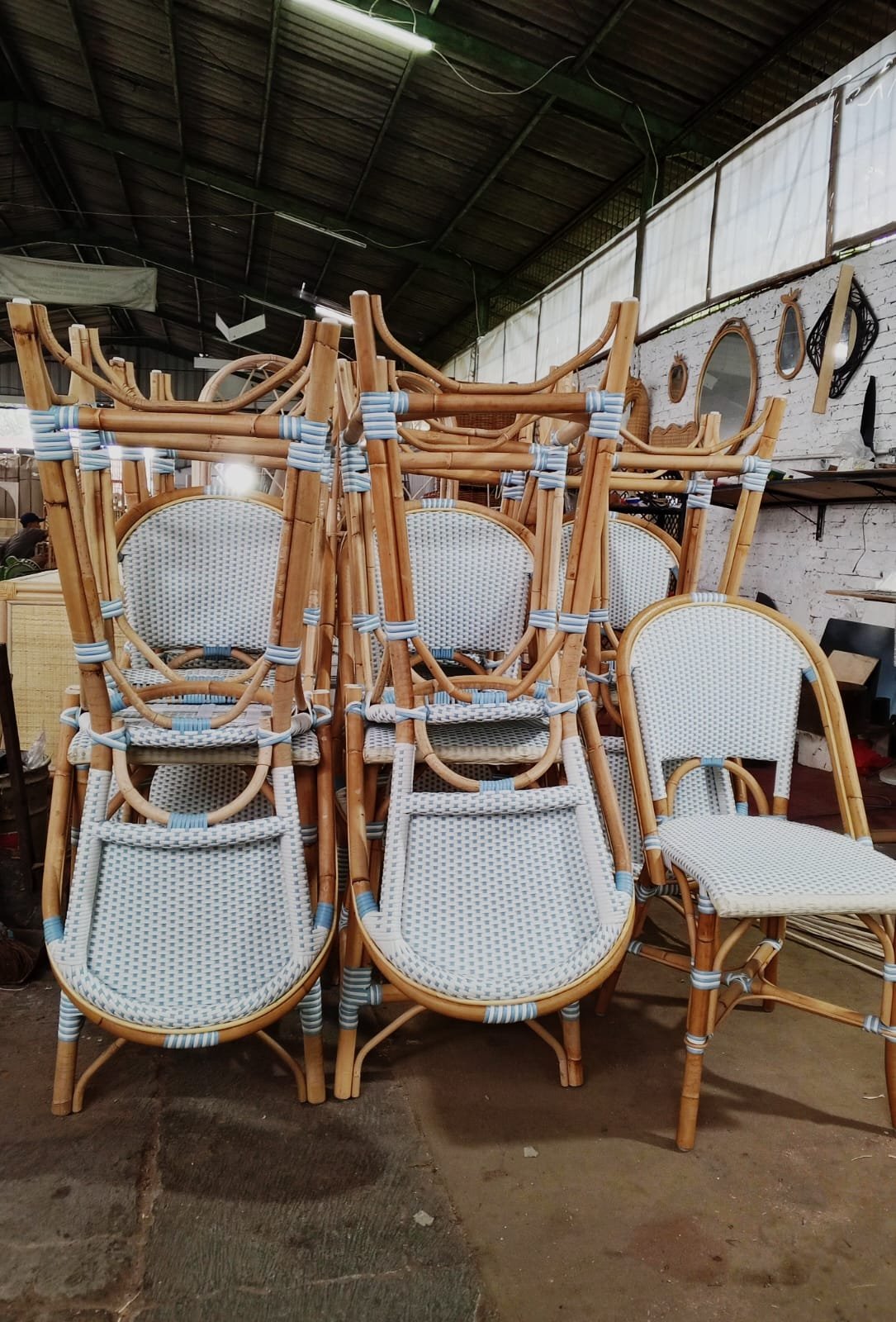
The rattan furniture manufacturing industry is supported by a complex and interconnected supply chain that involves multiple stages, from harvesting raw materials to delivering finished products to global markets. Each stage of the supply chain plays an important role in ensuring that rattan furniture is produced efficiently, sustainably, and with high quality. Understanding how this supply chain works provides valuable insight into the processes that support one of the world’s most important natural furniture industries.
Harvesting and Raw Material Collection
The supply chain of rattan furniture manufacturing begins in tropical forests, particularly in regions of Southeast Asia where rattan grows naturally. Rattan is a climbing palm that thrives in forest ecosystems and is commonly harvested by local communities.
Harvesters carefully cut mature rattan stems and transport them to collection centers. Sustainable harvesting practices are essential at this stage to ensure that rattan resources remain available for future production. Responsible collection also helps preserve forest ecosystems and maintain biodiversity.
This early stage of the supply chain not only provides raw materials but also supports the livelihoods of many rural communities.
Processing and Material Preparation
After being harvested, raw rattan must go through several preparation processes before it can be used for furniture manufacturing. These processes include cleaning, cutting, drying, and treating the rattan to remove moisture and protect it from pests.
Proper drying is particularly important because rattan with high moisture content can warp, crack, or develop mold during production. In some cases, rattan is also treated with protective solutions to increase durability and resistance to insects.
Once prepared, the rattan materials are sorted and graded based on their size, quality, and intended use in furniture production.
Manufacturing and Craftsmanship
The next stage of the supply chain involves transforming prepared rattan into furniture products. This manufacturing process combines mechanical tools with skilled craftsmanship.
Artisans and factory workers shape rattan into frames, weave the material into patterns, and assemble furniture structures such as chairs, tables, cabinets, and decorative items. Skilled weaving and precise assembly are essential to ensure both structural strength and aesthetic quality.
Many manufacturers combine traditional handcraft techniques with modern production equipment to increase efficiency while preserving the unique character of rattan furniture.
Finishing and Quality Control
Once the furniture pieces are assembled, they move to the finishing stage. This stage includes sanding, polishing, and applying protective coatings to improve the furniture’s appearance and durability.
Finishing treatments may include natural stains, paints, or eco-friendly coatings that protect the rattan from moisture, dust, and environmental damage. Proper finishing enhances both the visual appeal and the lifespan of the furniture.
Quality control inspections are also conducted during this stage to ensure that each product meets manufacturing standards before it is packaged for distribution.
Distribution and Export
After finishing and inspection, the completed furniture products are packaged and prepared for distribution. Some products are delivered to domestic markets, while a large portion is exported to international buyers.
Exporters work with distributors, wholesalers, and retailers to deliver rattan furniture to global markets such as Europe, North America, and other parts of Asia. Efficient logistics systems, including shipping and transportation networks, ensure that furniture products reach customers safely and on time.
International trade plays a significant role in expanding the reach of rattan furniture manufacturers.
The Role of Sustainability in the Supply Chain
Sustainability has become an increasingly important consideration throughout the rattan furniture supply chain. Many manufacturers and suppliers are adopting responsible sourcing practices, eco-friendly production methods, and improved waste management systems.
By maintaining sustainable supply chains, companies can protect natural rattan resources while also meeting the expectations of environmentally conscious consumers. Sustainable practices also help strengthen the long-term stability of the industry.
Conclusion
The supply chain of the rattan furniture manufacturing industry involves multiple interconnected stages, from raw material harvesting and preparation to manufacturing, finishing, and global distribution. Each stage plays a crucial role in ensuring the quality, sustainability, and availability of rattan furniture products.
By maintaining efficient supply chain management and responsible production practices, the rattan furniture industry can continue to meet growing global demand while supporting local communities and protecting natural resources.