
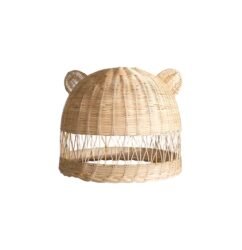
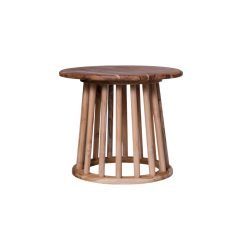
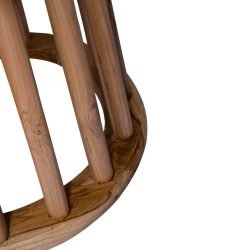

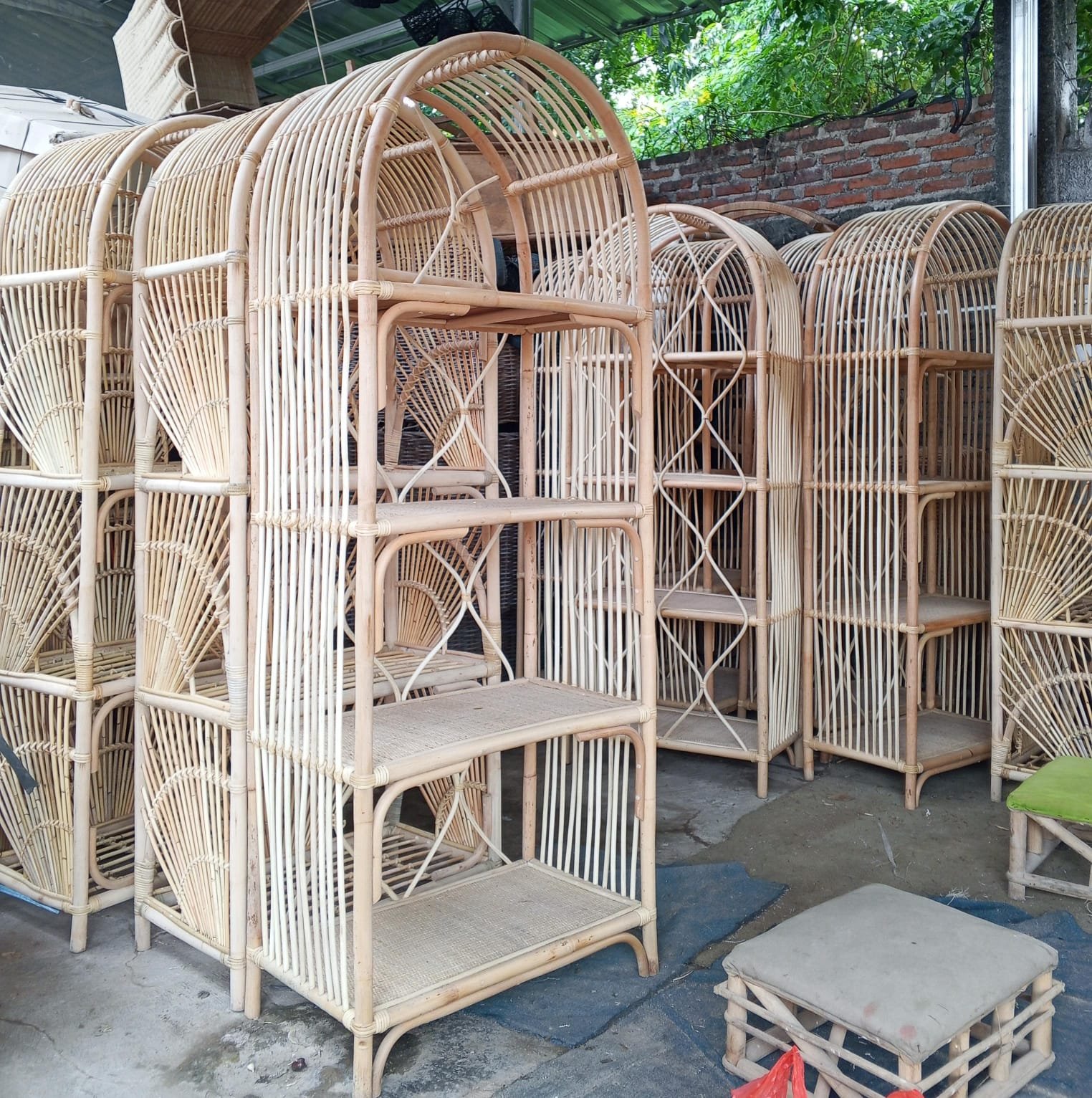
Rattan furniture has long been known for its natural beauty, flexibility, and handcrafted appeal. Traditionally associated with classic or rustic styles, rattan furniture has undergone significant transformation in recent years. Today, contemporary rattan furniture manufacturing is characterized by design innovation that combines traditional craftsmanship with modern aesthetics and advanced production techniques. These innovations allow rattan furniture to remain relevant and competitive in the global furniture market.
The Evolution of Rattan Furniture Design
Historically, rattan furniture designs focused on simple shapes and traditional weaving patterns. These designs were primarily created for functional purposes in homes and outdoor spaces. However, as consumer preferences and interior design trends evolved, furniture manufacturers began exploring new ways to incorporate rattan into modern living environments.
Contemporary designers now experiment with different shapes, textures, and structural forms. The goal is to create furniture that not only reflects the natural qualities of rattan but also meets the demands of modern lifestyles. This evolution has transformed rattan furniture into a versatile design element suitable for a wide range of interior and exterior spaces.
Combining Rattan with Modern Materials
One of the most important innovations in contemporary rattan furniture manufacturing is the integration of rattan with other materials. Designers often combine rattan with materials such as metal, glass, solid wood, and upholstered fabrics.
For example, metal frames can provide additional structural support while allowing rattan to be used as decorative or comfort elements. Glass tabletops paired with rattan bases create a balance between natural and modern aesthetics. These combinations allow manufacturers to develop furniture that is both visually appealing and structurally strong.
The blending of materials expands design possibilities and attracts a wider range of consumers.
Advanced Production Techniques
Modern manufacturing technologies have also contributed to design innovation in rattan furniture. Computer-aided design (CAD) software enables designers to develop precise furniture models and experiment with new shapes before the production process begins.
In addition, improved bending and shaping technologies allow manufacturers to create complex curves and structures that were previously difficult to achieve using manual techniques alone. These technological advancements help maintain design consistency while supporting large-scale production.
Despite these improvements, skilled artisans still play an essential role in weaving and assembling rattan components.
Focus on Minimalist and Functional Design
Contemporary interior design trends often emphasize minimalism, functionality, and natural materials. Rattan furniture fits perfectly within these design principles. Designers now create rattan furniture with clean lines, simple forms, and neutral color palettes that complement modern interior spaces.
Many contemporary rattan furniture pieces are designed to be lightweight, modular, and multifunctional. For example, chairs, storage units, and tables may serve multiple purposes while maintaining a stylish appearance.
This focus on functionality ensures that rattan furniture meets the practical needs of modern households and commercial spaces.
Sustainability as a Design Principle
Another important aspect of design innovation in rattan furniture manufacturing is sustainability. Rattan is a renewable resource that grows quickly compared to many types of wood. As a result, it has become a preferred material for environmentally conscious designers and manufacturers.
Many contemporary furniture collections emphasize eco-friendly production processes, including the use of natural finishes, water-based coatings, and sustainable harvesting practices. Incorporating sustainability into the design process allows manufacturers to create furniture that is both attractive and environmentally responsible.
Expanding Global Market Appeal
Design innovation has significantly expanded the global appeal of rattan furniture. Contemporary designs can now be found in luxury homes, modern apartments, hotels, resorts, and commercial spaces around the world.
International buyers are increasingly drawn to rattan furniture that combines natural materials with modern aesthetics. As a result, manufacturers that prioritize innovative design are better positioned to compete in the global furniture market.
Conclusion
Design innovation plays a crucial role in the development of contemporary rattan furniture manufacturing. By combining traditional craftsmanship with modern materials, advanced technologies, and sustainable design principles, manufacturers are redefining the possibilities of rattan furniture.
These innovations allow rattan furniture to remain relevant in modern interior design while preserving the natural qualities that make it unique. As global demand for stylish and sustainable furniture continues to grow, design innovation will remain a key driver in the future of the rattan furniture industry.