


Rattan furniture has long been admired for its natural beauty, durability, and handcrafted character. For centuries, artisans have used traditional techniques to shape and weave rattan into functional and decorative furniture. However, as the global furniture industry continues to evolve, manufacturers are increasingly combining these traditional methods with modern production processes. This integration allows the rattan furniture industry to maintain its cultural craftsmanship while improving efficiency, consistency, and product quality.
The Foundation of Traditional Craftsmanship
Traditional rattan furniture manufacturing is deeply rooted in artisanal craftsmanship. Skilled craftsmen use hand tools and manual techniques to bend, shape, and weave rattan into furniture structures. These techniques often require years of experience to master.
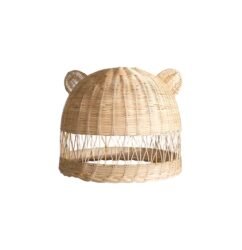
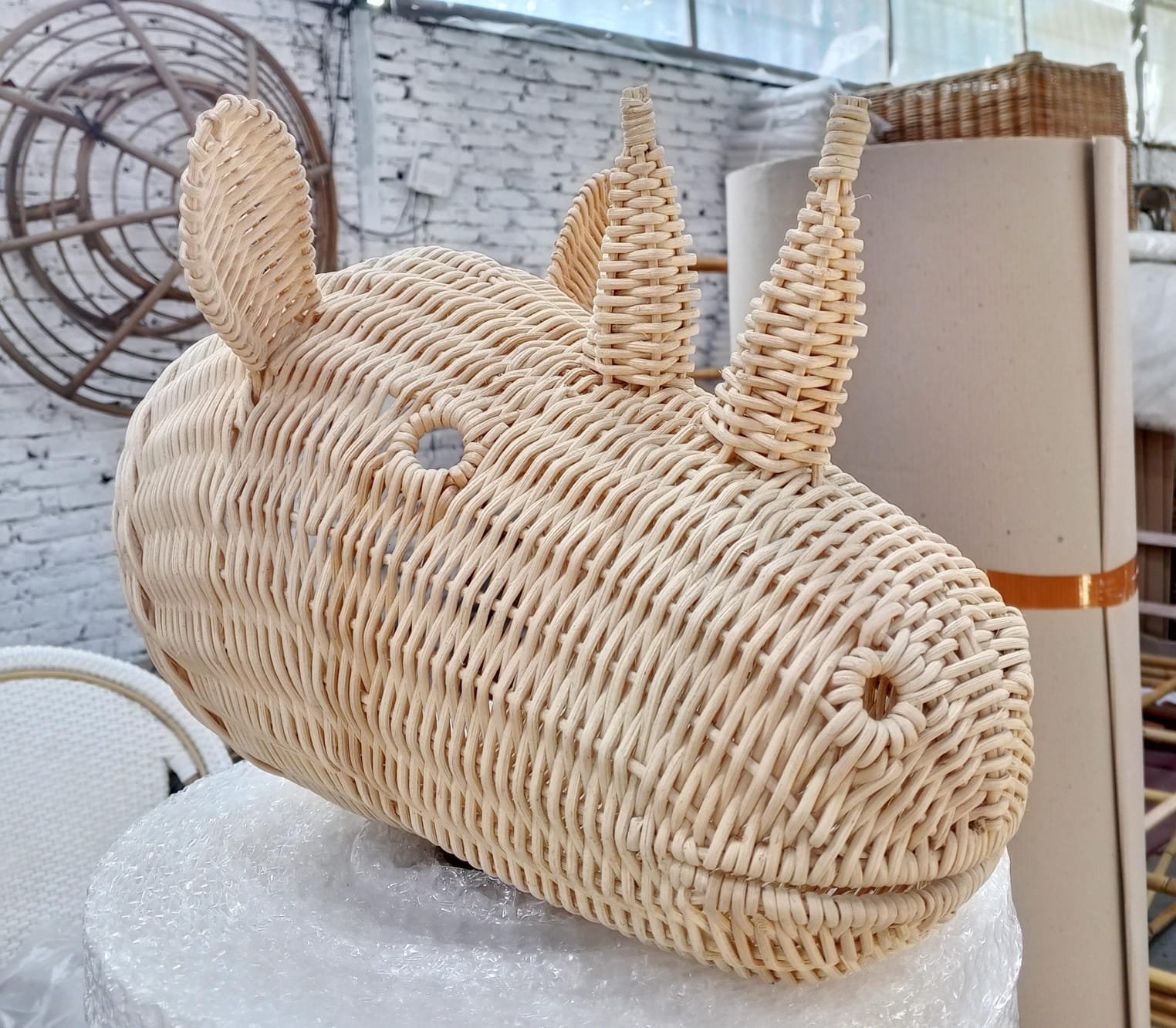
Weaving is one of the most distinctive elements of traditional rattan furniture production. Artisans carefully arrange rattan strands into intricate patterns while maintaining proper tension to ensure both aesthetic appeal and structural strength. This level of craftsmanship gives each piece of furniture a unique character and authentic handmade quality.
Because of these traditional skills, rattan furniture is often associated with artistry and cultural heritage.
The Introduction of Modern Production Processes
While traditional craftsmanship remains an important part of the industry, modern production processes have been introduced to improve efficiency and consistency. Machinery and specialized equipment can now assist in tasks such as cutting, shaping, and preparing rattan materials.
For example, modern bending equipment allows rattan to be shaped more precisely and with less risk of damage. Advanced drying systems help control moisture levels in the material, preventing problems such as cracking or warping during production.
These technological improvements allow manufacturers to streamline production while maintaining high-quality standards.
Enhancing Design and Product Development
The combination of traditional techniques and modern processes also expands design possibilities. Modern design software, such as computer-aided design (CAD), allows manufacturers to create detailed digital models of furniture before production begins.
Designers can experiment with different shapes, dimensions, and structures while ensuring that the furniture remains practical and comfortable. Once the design is finalized, artisans can apply their weaving and crafting skills to bring the concept to life.
This collaboration between technology and craftsmanship enables the development of innovative furniture designs that appeal to modern consumers.
Maintaining the Value of Handmade Work
Even with the introduction of modern processes, many aspects of rattan furniture manufacturing still rely heavily on manual craftsmanship. The weaving process, in particular, requires careful attention and skilled hands.
Instead of replacing artisans, modern technology often supports their work by reducing repetitive tasks and improving material preparation. This allows craftsmen to focus on the detailed aspects of furniture production that require creativity and precision.
Maintaining the human element in the manufacturing process helps preserve the authenticity and artistic value of rattan furniture.
Improving Efficiency and Global Competitiveness
The integration of traditional techniques with modern production methods also improves the competitiveness of rattan furniture manufacturers in global markets. By increasing production efficiency and maintaining consistent quality, manufacturers can meet the growing demand for rattan furniture worldwide.
At the same time, the handmade nature of many rattan furniture pieces provides a unique selling point that differentiates them from mass-produced furniture made from synthetic materials.
This balance between tradition and innovation strengthens the global appeal of rattan furniture products.
Supporting Sustainable Manufacturing
Another advantage of combining traditional and modern approaches is the ability to support sustainable manufacturing practices. Modern technologies can help reduce material waste, improve energy efficiency, and ensure responsible use of natural resources.
Meanwhile, traditional craftsmanship often relies on minimal machinery and emphasizes careful use of materials. Together, these approaches help create a more environmentally responsible production system.
As sustainability becomes a key priority in the global furniture industry, this balanced approach becomes increasingly valuable.
Conclusion
The integration of traditional techniques with modern processes represents an important development in rattan furniture manufacturing. Traditional craftsmanship continues to provide the artistic foundation and cultural identity of rattan furniture, while modern technology improves efficiency, design capabilities, and product consistency.
By combining the strengths of both approaches, manufacturers can produce high-quality furniture that meets modern market demands while preserving the unique character of handcrafted rattan products. This harmonious balance ensures that the rattan furniture industry remains both innovative and culturally meaningful in the global furniture market.