

Rattan products have gained increasing popularity among designers around the world. Interior designers, furniture designers, and architects often choose rattan materials for their projects because of their unique aesthetic qualities, sustainability, and versatility. Rattan manufacturing has evolved to meet modern design demands while maintaining the natural charm of this traditional material. As a result, rattan furniture and décor items are frequently featured in contemporary homes, hotels, restaurants, and commercial spaces.
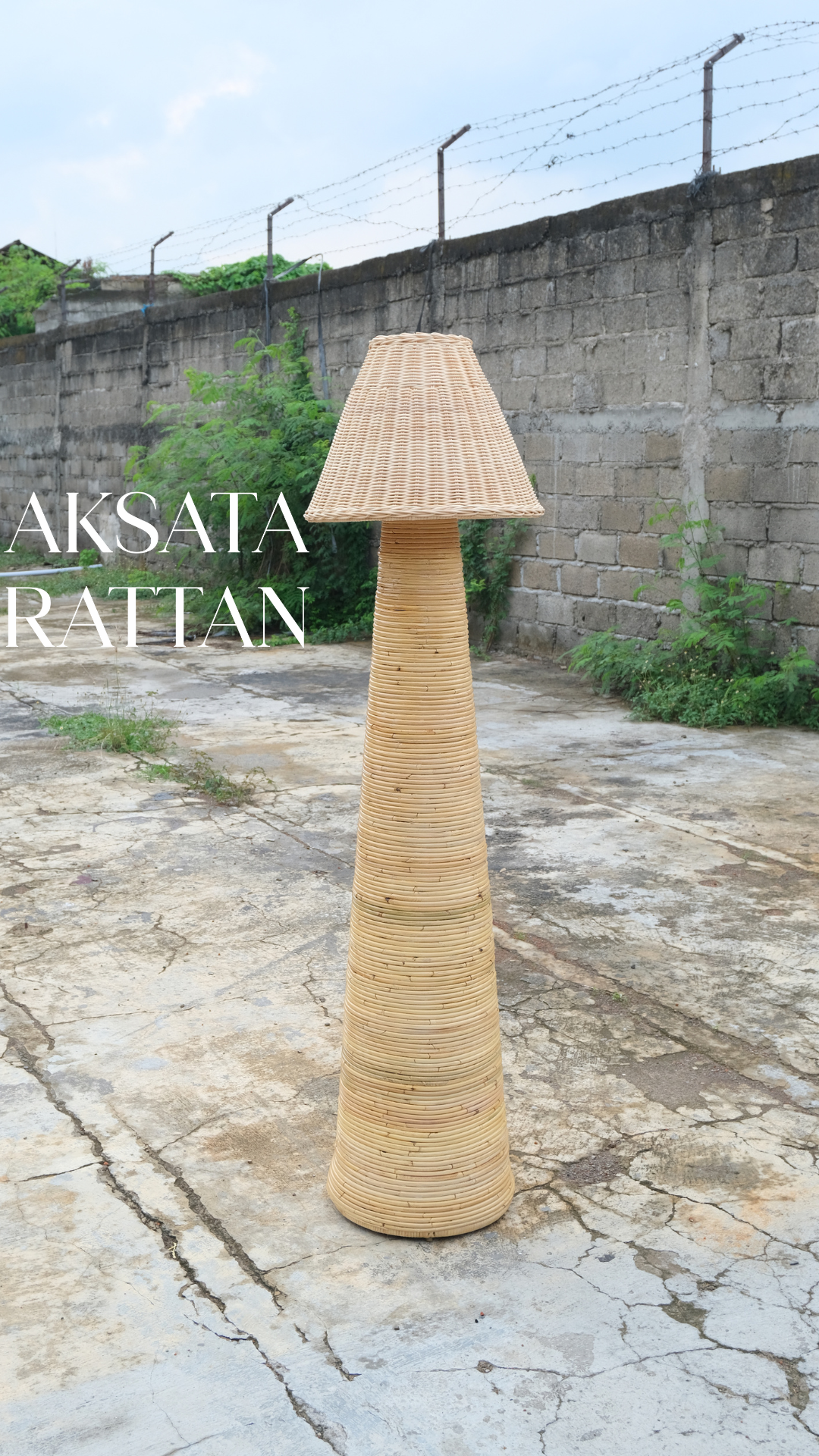
Natural Aesthetic and Organic Texture
One of the main reasons designers prefer rattan products is their natural aesthetic. Rattan has a warm and organic appearance that easily complements various interior design styles. Its natural color, woven patterns, and textured surfaces create a sense of comfort and relaxation within a space.
Designers often incorporate rattan into interiors that emphasize natural elements and earthy tones. The material blends well with wood, linen, cotton, and other natural materials, making it ideal for creating harmonious and balanced environments.
Versatility in Design
Rattan is known for its flexibility and strength, which allows designers to create a wide variety of shapes and structures. When heated or steamed, rattan can be bent into smooth curves and intricate forms without breaking. This flexibility makes it possible to design furniture with unique and creative shapes that may be difficult to achieve with rigid materials.
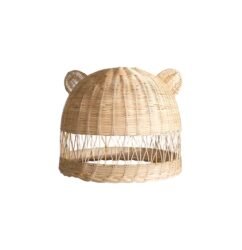
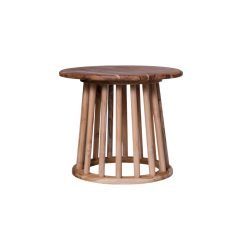
Because of this versatility, rattan is used in many types of furniture and decorative products, including chairs, tables, lighting fixtures, room dividers, and storage baskets. Designers appreciate the ability to experiment with innovative forms while maintaining structural durability.
Lightweight and Functional Material
Another advantage of rattan is its lightweight nature. Compared to solid wood or metal furniture, rattan products are easier to move and rearrange. This feature is especially valuable in interior design projects where flexibility and practicality are important.
For example, in hospitality environments such as hotels or restaurants, lightweight furniture allows spaces to be reorganized quickly for different events or purposes. Designers often prefer materials that offer both aesthetic value and functional convenience.
Sustainability and Environmental Responsibility
As sustainability becomes an increasingly important consideration in design, many designers prefer materials that are environmentally friendly. Rattan is a renewable natural resource that grows relatively quickly compared to traditional timber.
Because rattan can be harvested without cutting down large trees, it is considered a sustainable alternative to other furniture materials. Designers who focus on eco-conscious projects often select rattan products to reduce the environmental impact of their designs.
In addition, rattan furniture is biodegradable and generally requires less energy to produce compared to many synthetic materials.
Compatibility with Multiple Design Styles
Rattan products are highly adaptable to a variety of interior design styles. Designers frequently use rattan in Scandinavian, bohemian, tropical, coastal, and minimalist interiors. Its natural appearance adds warmth and character to modern spaces that might otherwise feel too minimal or cold.
Furthermore, rattan furniture can be combined with modern materials such as metal frames, glass surfaces, or upholstered cushions to create contemporary designs that appeal to modern consumers.
Handcrafted Appeal and Cultural Value
Many rattan products are handmade by skilled artisans, which adds a unique artistic value to each piece. Designers often appreciate the craftsmanship and cultural heritage represented in handmade rattan furniture. The weaving patterns and handcrafted details reflect traditional skills that have been developed over generations.
This handcrafted quality gives rattan products a sense of authenticity that is often missing from mass-produced furniture.
Conclusion
Designers prefer products from rattan manufacturing for several important reasons, including their natural beauty, versatility, lightweight structure, and sustainability. Rattan’s ability to adapt to different design styles and its connection to traditional craftsmanship make it a highly attractive material in modern design projects. As the demand for environmentally responsible and aesthetically appealing materials continues to grow, rattan is likely to remain a favored choice among designers in the global furniture and interior design industries.