

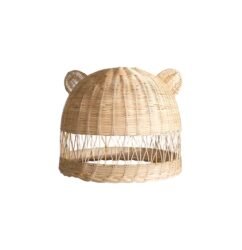



Rattan has been used for centuries as a primary material for furniture and handicrafts, especially in tropical regions where the plant grows naturally. The manufacturing of rattan products has evolved over time, combining traditional craftsmanship with modern industrial techniques. While traditional methods emphasize manual skills and cultural heritage, modern techniques focus on efficiency, precision, and large-scale production. Understanding the differences between these approaches provides valuable insight into how the rattan industry continues to develop in today’s global market.
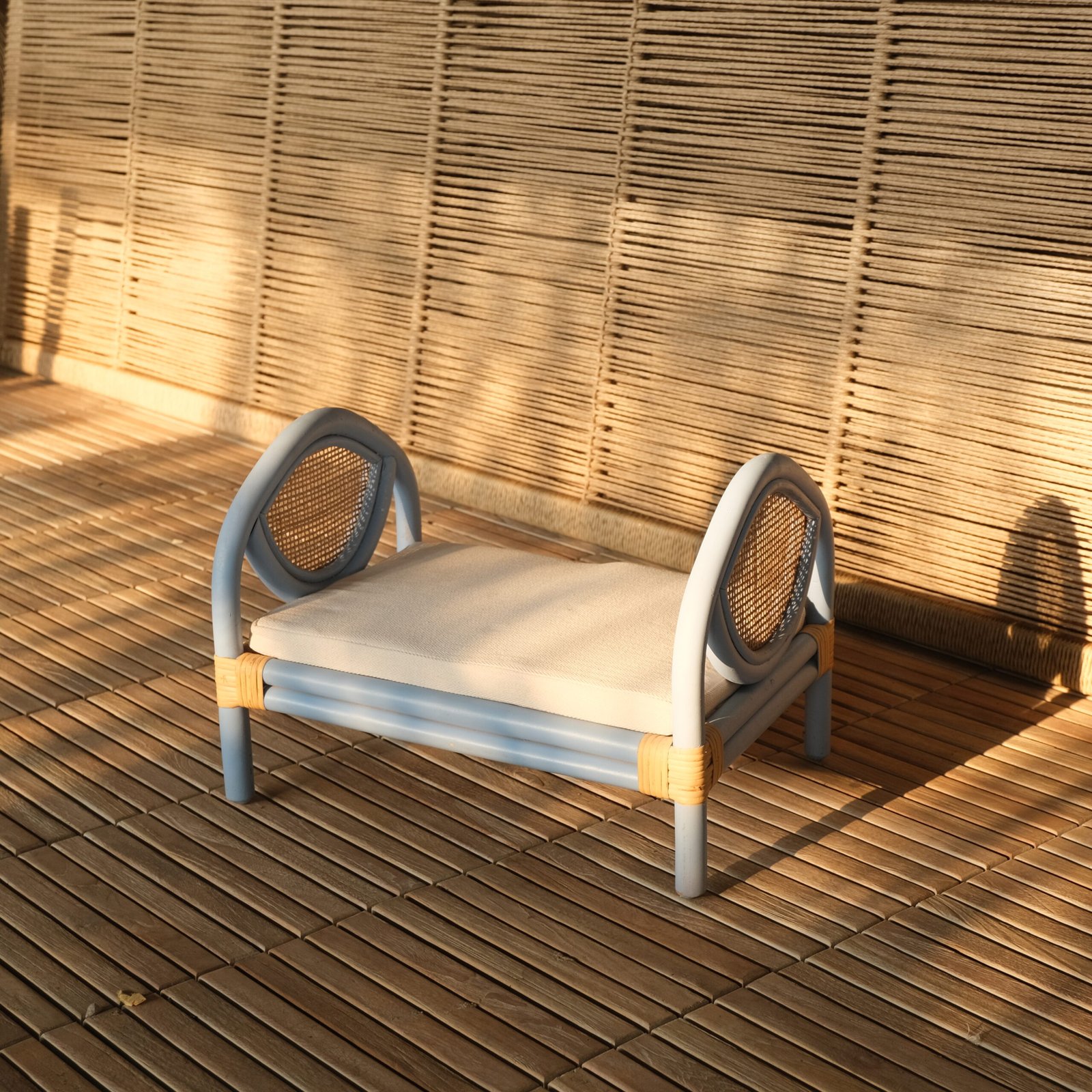
Traditional Rattan Manufacturing Techniques
Traditional rattan manufacturing relies heavily on manual labor and craftsmanship. For generations, artisans have developed specialized skills to transform raw rattan canes into functional and decorative products. This process usually begins with harvesting rattan directly from forests, followed by manual cleaning and preparation.
One of the defining features of traditional manufacturing is the use of simple tools such as knives, machetes, and hand saws. Craftsmen carefully split, peel, and shape the rattan by hand. When bending the material, artisans often use heat from fire or steam to soften the rattan fibers, allowing them to create curved shapes without breaking the material.
Weaving is another essential aspect of traditional rattan production. Skilled workers weave thin rattan strips around frames to form intricate patterns for chairs, baskets, and other household items. These patterns often reflect cultural designs that have been passed down through generations.
Although traditional techniques produce unique and artistic products, the process is usually time-consuming and dependent on the skill of individual craftsmen. As a result, production capacity is often limited compared to modern manufacturing systems.
Modern Rattan Manufacturing Techniques
Modern rattan manufacturing incorporates advanced technology and machinery to improve productivity and product consistency. In contemporary factories, many stages of production are supported by mechanical tools and automated systems.
For example, machines can now cut, split, and polish rattan more quickly and accurately than manual methods. Drying processes are often conducted in controlled kiln dryers rather than relying solely on sunlight. These controlled environments help maintain consistent moisture levels, reducing the risk of mold and structural damage.
Modern techniques also use specialized chemical treatments to enhance durability and resistance to pests. Additionally, computer-aided design (CAD) technology is sometimes used to develop precise furniture designs before production begins.
Another significant advantage of modern manufacturing is the ability to produce rattan furniture on a large scale. Factories can meet the demands of international markets by increasing efficiency while maintaining standardized quality.
Advantages and Limitations of Each Approach
Both traditional and modern techniques offer unique advantages. Traditional methods preserve cultural heritage and craftsmanship, producing distinctive items that often have higher artistic value. Handmade rattan furniture is frequently appreciated for its authenticity and uniqueness.
On the other hand, modern techniques provide greater efficiency, faster production, and consistent quality control. These methods allow manufacturers to meet large global demand while maintaining competitive pricing.
However, modern manufacturing may sometimes reduce the handcrafted characteristics that make traditional rattan products unique. Therefore, many manufacturers today adopt a hybrid approach that combines traditional craftsmanship with modern production technologies.
The Integration of Traditional and Modern Methods
In many rattan-producing regions, manufacturers are integrating traditional skills with modern industrial processes. For example, machines may be used for cutting and drying rattan, while skilled artisans still perform weaving and detailed finishing work by hand.
This combination helps maintain the artistic and cultural value of rattan products while also improving production efficiency. It also creates employment opportunities for local craftsmen while supporting the growth of the global rattan industry.
Conclusion
The evolution of rattan manufacturing demonstrates how traditional craftsmanship and modern technology can coexist and complement each other. Traditional techniques preserve cultural identity and artisanal quality, while modern methods enhance efficiency and scalability. By combining the strengths of both approaches, the rattan industry can continue to grow while maintaining its rich heritage and meeting the demands of international markets.