



Rattan manufacturing is a labor-intensive industry that relies heavily on the expertise and precision of skilled workers. Unlike many modern industries that depend largely on automated machinery, the production of rattan furniture and handicrafts still requires a high level of manual craftsmanship. Skilled labor plays a crucial role in ensuring the quality, durability, and aesthetic value of rattan products. Without experienced artisans, it would be difficult for the industry to maintain its traditional character while meeting the demands of modern markets.
Understanding the Nature of Rattan Manufacturing
Rattan is a flexible and durable natural material that grows in tropical forests. Its unique characteristics make it ideal for furniture, home décor, and various woven products. However, transforming raw rattan into high-quality finished goods requires multiple stages of processing, including harvesting, cleaning, drying, bending, weaving, assembling, and finishing.
Each stage of production demands specific skills and techniques that cannot be easily replaced by machines. Skilled workers must understand how to handle the material carefully, shape it without breaking it, and weave it into complex patterns that are both strong and visually appealing.
Craftsmanship and Product Quality
One of the most important contributions of skilled labor in rattan manufacturing is the ability to produce high-quality products. Experienced artisans have a deep understanding of rattan’s texture, flexibility, and strength. This knowledge allows them to create furniture and decorative items that are not only attractive but also durable and functional.
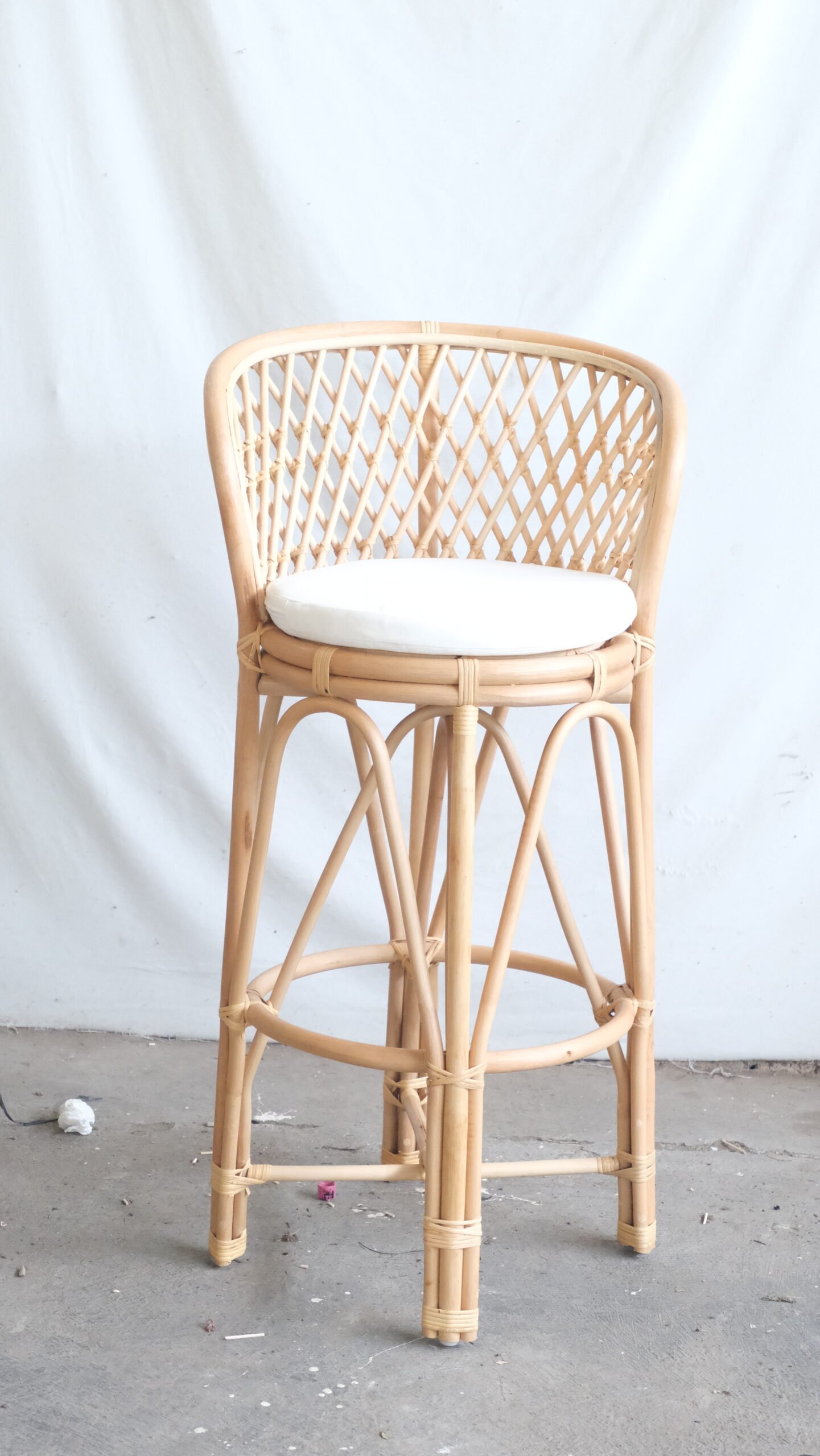
For example, weaving patterns require accuracy and consistency to ensure structural stability. If the weaving is too loose, the product may lose its shape; if it is too tight, the rattan may break. Skilled workers are trained to maintain the right balance, ensuring that the final product meets both aesthetic and functional standards.
Preserving Traditional Techniques
Skilled labor is also essential for preserving traditional craftsmanship in the rattan industry. Many weaving techniques and design patterns have been passed down through generations of artisans. These traditional skills represent a valuable cultural heritage that distinguishes handmade rattan products from mass-produced alternatives.
By continuing to train new workers and apprentices, the industry helps ensure that these traditional techniques are not lost. This preservation of knowledge also adds authenticity and uniqueness to rattan products, which is highly valued in international markets.
Supporting Innovation and Design
Although rattan manufacturing is rooted in tradition, skilled labor also contributes to innovation. Experienced craftsmen often collaborate with designers to develop new product styles and structures. Their practical knowledge helps designers understand what is possible when working with rattan as a material.
This collaboration allows manufacturers to create modern products that combine traditional weaving techniques with contemporary design trends. As a result, rattan products can appeal to a wider range of consumers while maintaining their handcrafted identity.
Economic and Social Impact
The importance of skilled labor in rattan manufacturing also extends to economic and social development. The industry provides employment opportunities for many local communities, particularly in rural areas where rattan resources are abundant. Workers involved in harvesting, processing, weaving, and finishing all contribute to the production chain.
By investing in skill development and training programs, companies can improve worker productivity and product quality while supporting community livelihoods. This creates a sustainable industry that benefits both businesses and local populations.
Conclusion
Skilled labor remains the backbone of the rattan manufacturing industry. The knowledge, precision, and creativity of experienced artisans ensure that rattan products maintain their high quality, cultural authenticity, and unique design. At the same time, skilled workers contribute to innovation and help the industry adapt to modern market demands.
As global interest in sustainable and handcrafted products continues to grow, the role of skilled labor in rattan manufacturing will become even more important. By valuing and developing these skills, the industry can preserve its traditions while building a strong and competitive future.