
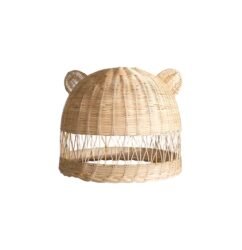
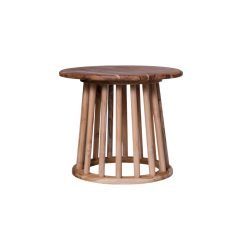
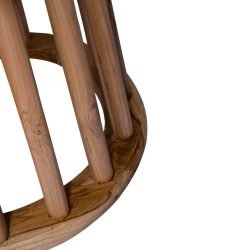

Rattan manufacturing has long been an important part of traditional craftsmanship in many tropical countries, particularly in Southeast Asia. For generations, artisans have relied on natural rattan to create furniture, baskets, and decorative items that combine beauty with functionality. Today, however, the industry faces new challenges and opportunities. Modern markets demand higher quality, sustainable production, and innovative design. As a result, rattan manufacturers must learn how to balance traditional techniques with modern innovation.

The Cultural Heritage of Rattan Craftsmanship
Traditional rattan manufacturing is deeply rooted in local culture. Skilled artisans often learn weaving and shaping techniques from older generations, preserving knowledge that has been passed down for decades. These techniques include hand-weaving patterns, natural drying processes, and manual shaping methods that give rattan products their distinctive character.
This craftsmanship is not only about production; it also reflects cultural identity. Many traditional patterns and designs carry historical or regional significance. By maintaining these methods, rattan manufacturing helps preserve cultural heritage while supporting local artisan communities.
The Role of Innovation in Modern Rattan Manufacturing
While traditional craftsmanship remains valuable, modern innovation has become essential for the industry’s growth. Technological advancements have introduced improved treatment processes, better quality control systems, and more efficient production methods.
For example, modern drying and preservation techniques help protect rattan from pests and humidity, increasing the durability of finished products. Additionally, computer-aided design (CAD) and modern machinery allow manufacturers to experiment with new shapes, structures, and product categories that were previously difficult to achieve.
Innovation also enables manufacturers to meet international market standards, particularly in terms of product consistency, durability, and safety.
Integrating Modern Design with Traditional Techniques
One of the most successful strategies in the rattan industry is the integration of contemporary design with traditional craftsmanship. Designers now collaborate with local artisans to create products that maintain the authenticity of handwoven rattan while appealing to modern consumer preferences.
Minimalist furniture, ergonomic chairs, and multifunctional home décor items are examples of how traditional materials can adapt to modern lifestyles. This combination allows rattan products to remain relevant in global markets that increasingly value both sustainability and design aesthetics.
Sustainability as a Shared Value
Both traditional and modern approaches to rattan manufacturing share a strong commitment to sustainability. Rattan is considered one of the most environmentally friendly natural materials because it grows quickly and can be harvested without cutting down entire trees.
Modern manufacturers are further improving sustainability by implementing responsible harvesting practices, waste reduction techniques, and eco-friendly finishing processes. These practices ensure that rattan manufacturing continues to support environmental conservation while meeting global demand.
Supporting Local Economies
Rattan manufacturing also plays a significant role in strengthening local economies. The industry provides employment opportunities for rural communities, including farmers, collectors, artisans, and factory workers. By combining traditional skills with modern market access, communities can increase their income while maintaining their cultural heritage.
In many regions, government programs and private companies are also investing in training and infrastructure to help artisans adapt to modern production standards and international trade.
Conclusion
The future of rattan manufacturing depends on its ability to balance tradition and innovation. Traditional craftsmanship provides authenticity, cultural value, and unique artistry, while modern technology and design bring efficiency, durability, and global competitiveness.
By integrating these two approaches, the rattan industry can continue to grow sustainably while preserving the rich heritage that makes rattan products unique. This balance not only benefits manufacturers and consumers but also ensures that local communities and natural ecosystems remain protected for generations to come.