





The global shift toward sustainability has encouraged many industries to adopt environmentally responsible practices. One sector that has gained increasing attention in this transition is rattan manufacturing. As a natural, renewable resource, rattan plays an important role in supporting environmentally friendly production systems and sustainable economic development. Through responsible harvesting, innovative manufacturing processes, and sustainable product design, the rattan industry contributes significantly to the growth of the green economy.
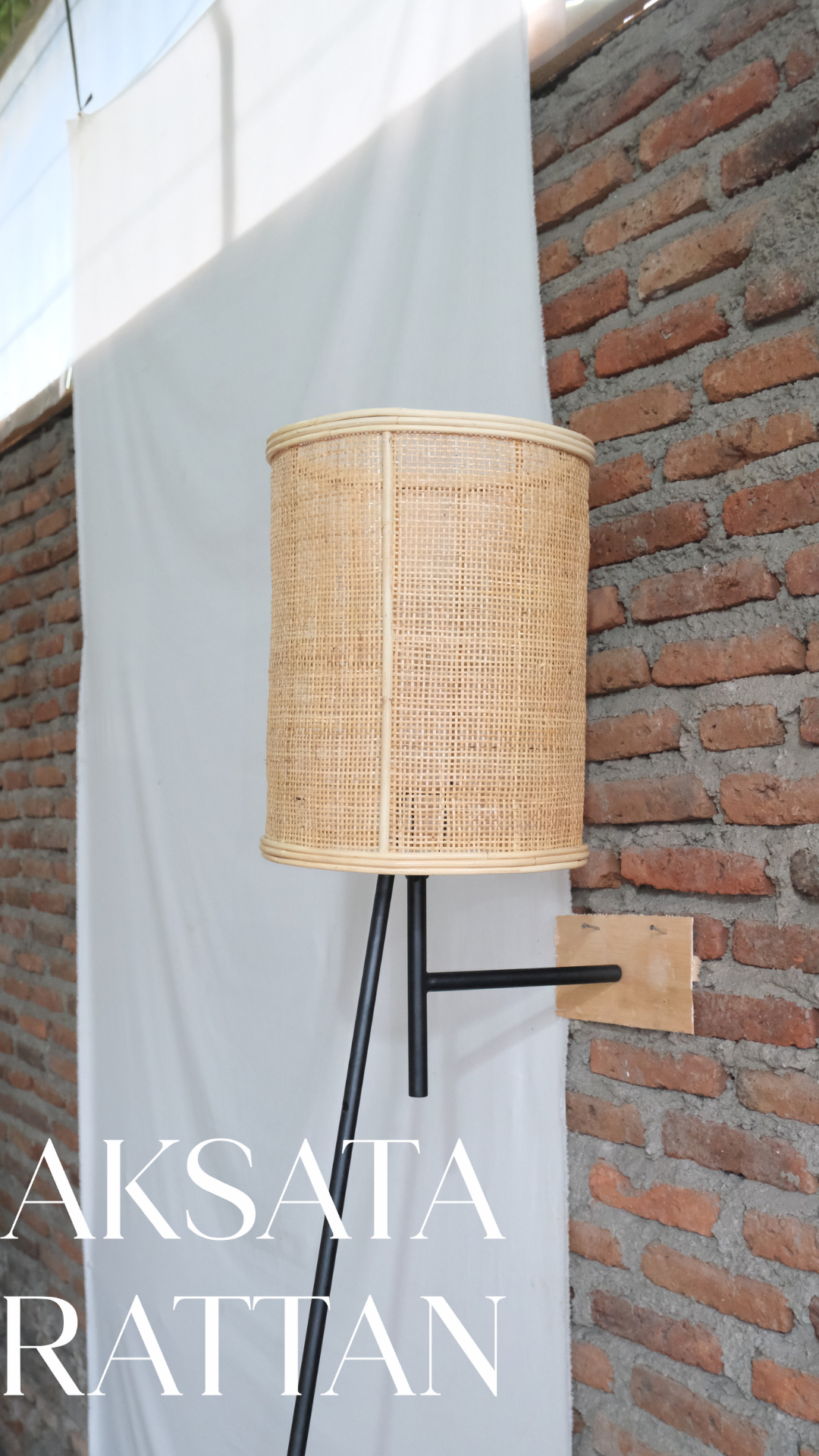
Understanding the Green Economy
The green economy refers to an economic system that aims to reduce environmental risks and ecological scarcity while promoting sustainable development. It emphasizes efficient use of natural resources, reduced carbon emissions, and environmentally responsible production practices.
In this context, industries that rely on renewable resources and sustainable production methods are considered important contributors to the green economy. Rattan manufacturing fits well within this framework because it combines natural resource management with environmentally friendly production.
Rattan as a Renewable Resource
One of the main reasons rattan manufacturing supports the green economy is the renewable nature of the material. Rattan is a type of climbing palm that grows naturally in tropical forests and regenerates relatively quickly compared to hardwood trees.
Unlike timber harvesting, which often involves cutting down large trees, rattan can be harvested without destroying the surrounding forest ecosystem. This allows forests to remain intact while still providing economic value. As a result, rattan harvesting encourages the preservation of forest areas and reduces pressure on non-renewable resources.
Supporting Sustainable Forest Management
Rattan manufacturing promotes sustainable forest management by creating economic incentives to protect forest ecosystems. Communities that rely on rattan harvesting often have a strong interest in maintaining healthy forests because their livelihoods depend on the continuous availability of rattan plants.
This relationship between economic activity and environmental conservation helps prevent deforestation and encourages responsible land management. By maintaining forest ecosystems, the rattan industry also contributes to biodiversity protection and climate stability.
Reducing Environmental Impact in Manufacturing
Modern rattan manufacturing increasingly incorporates eco-friendly production methods. Many manufacturers are adopting energy-efficient drying systems, environmentally friendly preservation treatments, and waste reduction strategies.
For example, leftover rattan materials from furniture production can be reused to create smaller handicrafts or decorative products. This approach minimizes production waste and improves resource efficiency. In addition, natural rattan furniture generally requires less energy to produce compared to products made from synthetic materials or metals.
Creating Green Jobs and Supporting Local Communities
Another important contribution of rattan manufacturing to the green economy is job creation. In many tropical countries, especially in Southeast Asia, the rattan industry provides employment opportunities for rural communities. Activities such as harvesting, processing, weaving, and assembling rattan products involve a large number of skilled workers.
These jobs often rely on traditional craftsmanship that has been passed down through generations. By supporting local economies and preserving cultural heritage, rattan manufacturing strengthens both social and economic sustainability.
Meeting the Demand for Sustainable Products
As consumers become more environmentally conscious, the demand for sustainable furniture and home décor products continues to grow. Rattan furniture is widely recognized for its natural appearance, lightweight structure, and biodegradable properties.
Because of these advantages, rattan products are increasingly popular in international markets. Many hotels, resorts, restaurants, and homeowners prefer rattan furniture as part of their efforts to adopt more sustainable lifestyles.
Challenges and Future Opportunities
Despite its positive contributions to the green economy, the rattan industry still faces challenges. Issues such as competition from synthetic materials, fluctuating raw material supply, and the need for improved technology may affect the industry’s growth.
However, these challenges also create opportunities for innovation. By investing in sustainable production methods, improving design quality, and expanding global market access, rattan manufacturers can further strengthen their role in the green economy.
Conclusion
Rattan manufacturing plays a valuable role in supporting the development of the green economy. Its reliance on renewable natural resources, environmentally friendly production practices, and strong connection to forest conservation make it a sustainable industry with long-term potential. In addition to protecting the environment, the rattan industry also supports economic growth and provides livelihoods for many communities. As global interest in sustainability continues to rise, rattan manufacturing will remain an important contributor to environmentally responsible economic development.