

Rattan manufacturing has experienced significant development in recent years, particularly in response to evolving design trends in the global furniture industry. Once primarily associated with traditional or rustic furniture, rattan has now become a popular material in modern interior and furniture design. Designers are increasingly exploring innovative ways to combine rattan’s natural qualities with contemporary aesthetics. As a result, modern design trends in rattan manufacturing are reshaping how this traditional material is used in both residential and commercial spaces.
Minimalist and Contemporary Designs
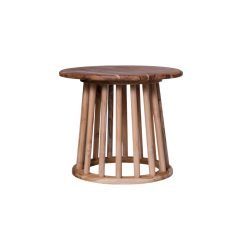
One of the most noticeable trends in modern rattan manufacturing is the adoption of minimalist design principles. Minimalism focuses on simplicity, clean lines, and functional forms. Designers often use rattan to create furniture with sleek frames and subtle woven patterns that complement modern interiors.
Rattan’s natural color and texture work well in minimalist spaces because they add warmth and character without overwhelming the overall design. Chairs, tables, and storage units made from rattan are frequently designed with simple shapes that emphasize functionality and elegance.
Combining Rattan with Modern Materials
Another important trend is the combination of rattan with other modern materials. Designers often integrate rattan with metal, glass, marble, or upholstered fabrics to create unique and contemporary furniture pieces.
For example, a rattan chair may feature a metal frame for structural support, while the seating area is woven with natural rattan fibers. Glass tabletops paired with rattan bases are also becoming popular in modern furniture collections. This combination of materials allows designers to balance natural aesthetics with modern sophistication.
Emphasis on Natural and Sustainable Design
Sustainability has become a major influence in modern design trends. Many consumers now prefer furniture made from renewable and environmentally friendly materials. Rattan fits well within this movement because it is a natural resource that grows relatively quickly compared to hardwood trees.
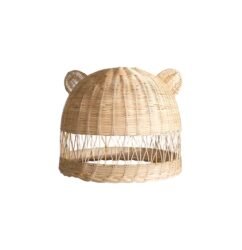
Designers are increasingly highlighting the natural characteristics of rattan rather than covering them with heavy finishes. Natural textures, organic shapes, and earthy tones are commonly featured in modern rattan furniture, reflecting a broader shift toward eco-conscious design.
Innovative Shapes and Artistic Forms
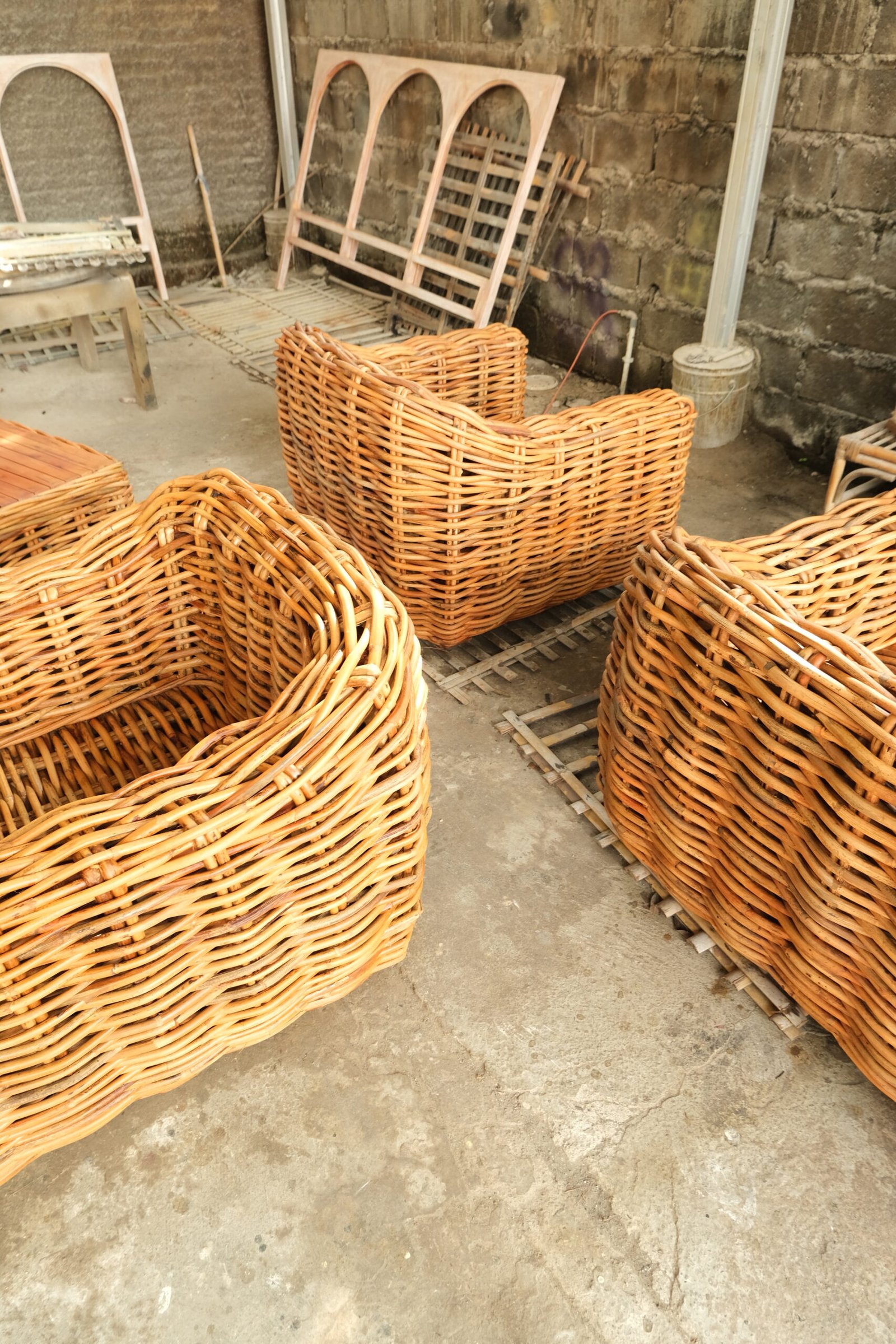
Modern rattan manufacturing also encourages creativity in furniture design. Because rattan is flexible and easy to bend when heated, designers can experiment with unique shapes and sculptural forms. Curved frames, rounded edges, and flowing structures are common in contemporary rattan furniture.
These innovative shapes allow rattan furniture to serve not only as functional objects but also as artistic elements within interior spaces. In some cases, designers create statement pieces that become the focal point of a room.
Indoor-Outdoor Versatility
Another modern trend is the development of rattan furniture that can be used in both indoor and outdoor environments. As outdoor living spaces become more important in modern homes and hospitality venues, designers are creating rattan furniture that is suitable for patios, balconies, and garden areas.
Manufacturers often apply protective coatings or combine natural rattan with weather-resistant materials to improve durability. This allows rattan furniture to maintain its natural beauty while withstanding environmental conditions.
Customization and Personalized Design
Customization is also becoming more common in modern rattan manufacturing. Designers and manufacturers are increasingly offering personalized furniture options that allow customers to choose specific sizes, colors, weaving patterns, or material combinations.
This approach allows consumers to select furniture that fits their personal style and interior design preferences. Customized rattan furniture is particularly popular in luxury homes, boutique hotels, and specialized interior design projects.
Conclusion
Modern design trends in rattan manufacturing demonstrate how traditional materials can evolve to meet contemporary design demands. Through minimalist aesthetics, innovative material combinations, sustainable design principles, and creative forms, rattan has become a versatile material in modern furniture production. By combining natural beauty with modern design innovation, rattan manufacturing continues to attract designers and consumers who value both functionality and sustainability in their living spaces.