
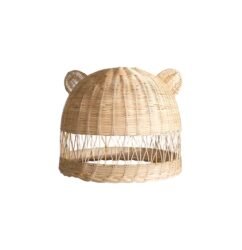

The global furniture and home décor industry has experienced significant changes in recent years, influenced by shifting consumer preferences, environmental awareness, and evolving design trends. Among the materials gaining increasing attention is rattan, a natural and versatile resource widely used in furniture and decorative products. As global demand for sustainable and aesthetically appealing materials continues to rise, several key market trends are driving the growth of the rattan manufacturing industry.

Rising Demand for Sustainable Materials
One of the most important factors contributing to the growth of rattan manufacturing is the increasing demand for sustainable materials. Consumers today are more environmentally conscious and are actively seeking products that minimize environmental harm. Materials such as plastic and slow-growing hardwoods are often criticized for their environmental impact, leading consumers to explore more eco-friendly alternatives.
Rattan offers a strong solution to this concern because it is a fast-growing and renewable natural resource. Its harvesting process typically does not require cutting down trees, making it an environmentally responsible material. As sustainability becomes a central focus in global markets, rattan products are gaining popularity among environmentally aware consumers.
Growth of Natural and Organic Interior Design
Interior design trends have also contributed to the increasing demand for rattan products. Modern consumers often prefer living spaces that feel warm, natural, and connected to the environment. Natural materials such as rattan, bamboo, and wood are widely used to create organic and relaxing interiors.
Rattan furniture and décor items complement various design styles, including tropical, coastal, bohemian, and minimalist themes. The natural texture and neutral tones of rattan make it easy to integrate into different interior design concepts, increasing its appeal in both residential and commercial spaces.
Expansion of the Hospitality Industry
The hospitality sector has become another major driver of rattan manufacturing growth. Hotels, resorts, restaurants, and cafés frequently use rattan furniture and decorative elements to create welcoming and visually appealing environments.
Rattan is especially popular in outdoor spaces such as terraces, garden lounges, and poolside areas. Its lightweight structure and natural appearance make it ideal for hospitality settings that aim to combine comfort with aesthetic appeal. As the global tourism and hospitality industries continue to expand, demand for rattan furniture is also expected to increase.
Increasing Interest in Handcrafted Products
In many markets, consumers are showing a growing appreciation for handcrafted products. Mass-produced furniture often lacks the unique character that handmade items provide. Rattan products, especially those created through traditional weaving techniques, offer authenticity and craftsmanship that appeal to buyers seeking distinctive designs.
This trend has encouraged manufacturers to highlight the handmade aspects of their products. By emphasizing traditional craftsmanship and artisan skills, rattan manufacturers can add cultural and artistic value to their offerings.
Growth of Online Retail and Global Trade
The expansion of e-commerce and digital marketing has also played a role in increasing the global visibility of rattan products. Online platforms allow manufacturers to showcase their products to international buyers more easily than ever before.
Through online marketplaces, company websites, and social media marketing, rattan manufacturers can reach customers in different countries without relying solely on traditional retail channels. This digital transformation has opened new opportunities for export growth and global brand recognition.
Innovation in Product Design
Another factor driving the growth of rattan manufacturing is innovation in product design. Designers and manufacturers are continuously experimenting with new shapes, materials, and functional features. Rattan is often combined with materials such as metal, glass, fabric, and synthetic fibers to create modern and durable furniture.
These innovative designs help rattan products appeal to contemporary consumers who seek both style and practicality. By blending traditional materials with modern design concepts, manufacturers can expand their product range and attract diverse market segments.
Conclusion
The growth of the rattan manufacturing industry is closely linked to several global market trends, including increasing environmental awareness, the popularity of natural interior design, expansion in the hospitality sector, and growing appreciation for handcrafted products. In addition, the rise of online retail and continuous design innovation has further strengthened the industry’s global presence.
As these trends continue to shape consumer behavior and design preferences, rattan manufacturing is well positioned to remain an important and growing sector within the global furniture and home décor market. By adapting to changing market demands while maintaining sustainable practices, the rattan industry can continue to thrive in the years ahead.