
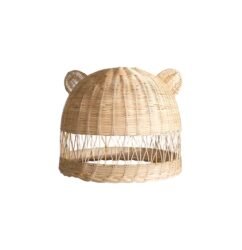
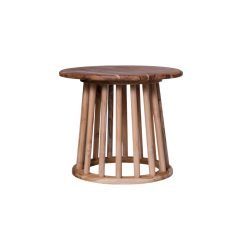
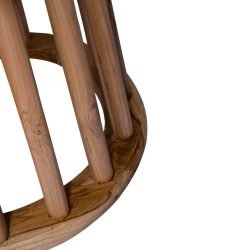

The rattan manufacturing industry has long been known for its reliance on natural materials and traditional craftsmanship. However, as global markets evolve and consumer expectations change, manufacturers are increasingly exploring innovative materials to enhance the durability, functionality, and design of rattan products. These innovations allow the industry to remain competitive while maintaining the natural aesthetic that makes rattan furniture and décor highly desirable.
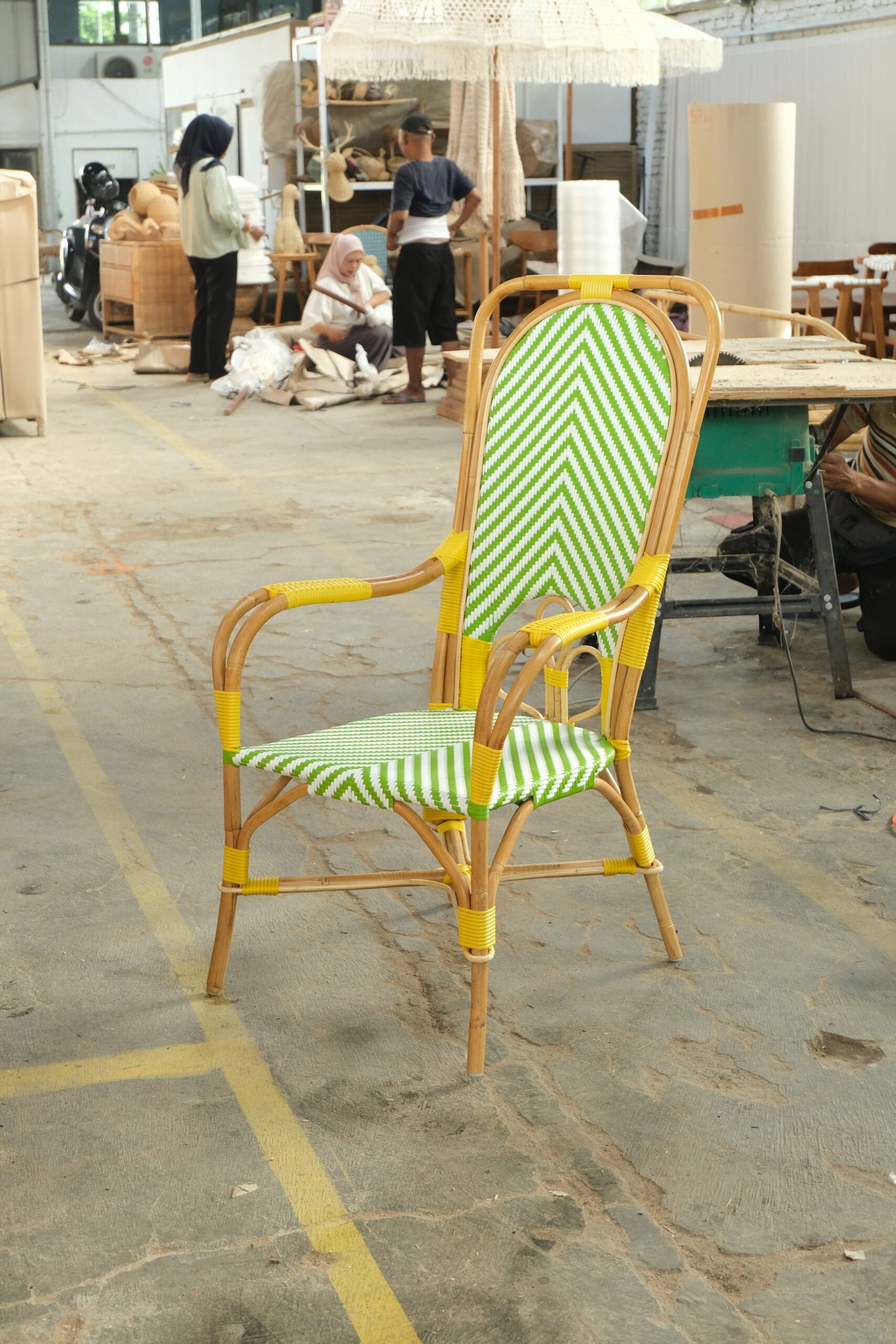
Combining Natural Rattan with Modern Materials
One of the most common innovations in rattan manufacturing is the integration of rattan with other materials. While rattan remains the primary component, manufacturers often combine it with materials such as metal, glass, wood, or fabric to create more durable and modern products.
For example, metal frames are sometimes used to strengthen furniture structures, while rattan is woven around the frame to maintain its natural appearance. Glass surfaces may be added to rattan tables to provide a smooth and functional tabletop, while cushions and upholstery enhance comfort for chairs and sofas. These combinations allow manufacturers to improve product performance without sacrificing the distinctive look of rattan.
Development of Synthetic Rattan
Another important innovation is the introduction of synthetic rattan, often made from materials such as polyethylene or other weather-resistant polymers. Synthetic rattan is designed to replicate the appearance of natural rattan while offering improved durability in certain environments.
This material is especially popular for outdoor furniture because it is resistant to moisture, sunlight, and temperature changes. Synthetic rattan also requires less maintenance, making it an attractive option for hospitality businesses, resorts, and outdoor living spaces.
Although natural rattan remains highly valued for its authenticity, synthetic alternatives provide additional flexibility for manufacturers serving different market needs.
Eco-Friendly Finishing Materials
Innovations in finishing materials have also improved the sustainability and safety of rattan manufacturing. Traditional finishing processes sometimes relied on chemical coatings that could have negative environmental impacts. Today, many manufacturers are adopting eco-friendly finishes such as water-based coatings and low-emission varnishes.
These environmentally responsible finishes help protect rattan furniture from wear and moisture while reducing harmful emissions during the production process. As sustainability becomes a major concern for consumers and regulators, eco-friendly finishing materials are becoming increasingly important.
Improved Adhesives and Binding Materials
Another area of innovation in rattan manufacturing involves the adhesives and binding materials used during assembly. Modern adhesives provide stronger bonds while reducing the need for excessive mechanical fasteners.
Advanced binding materials also help maintain structural stability in furniture frames and woven components. These improvements contribute to better durability, allowing rattan products to withstand frequent use in both residential and commercial environments.
Lightweight and Flexible Materials
Manufacturers are also experimenting with lightweight support materials that improve the structural performance of rattan furniture. These materials can be integrated into furniture frames to enhance strength while maintaining a lightweight design.
This innovation is particularly valuable for products that require mobility, such as furniture used in hospitality spaces or multifunctional home environments. Lightweight yet durable materials allow rattan products to remain practical while retaining their natural aesthetic appeal.
Encouraging Design Innovation
Material innovation has also expanded the creative possibilities in rattan manufacturing. Designers now have greater flexibility to experiment with new shapes, textures, and structural designs. By combining traditional weaving techniques with modern materials, manufacturers can produce products that appeal to contemporary design trends.
These innovations allow rattan furniture to move beyond traditional styles and enter modern interior design markets, where consumers seek both sustainability and visual uniqueness.
Conclusion
Innovations in materials have significantly expanded the possibilities within the rattan manufacturing industry. By integrating natural rattan with modern materials, developing synthetic alternatives, adopting eco-friendly finishes, and improving structural components, manufacturers can create products that are both durable and aesthetically appealing.
These advancements allow the industry to meet evolving market demands while maintaining the natural beauty and sustainability that define rattan products. As research and innovation continue, the future of rattan manufacturing will likely include even more creative and sustainable material solutions.