
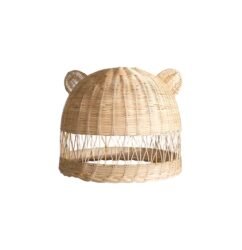

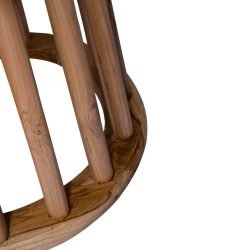

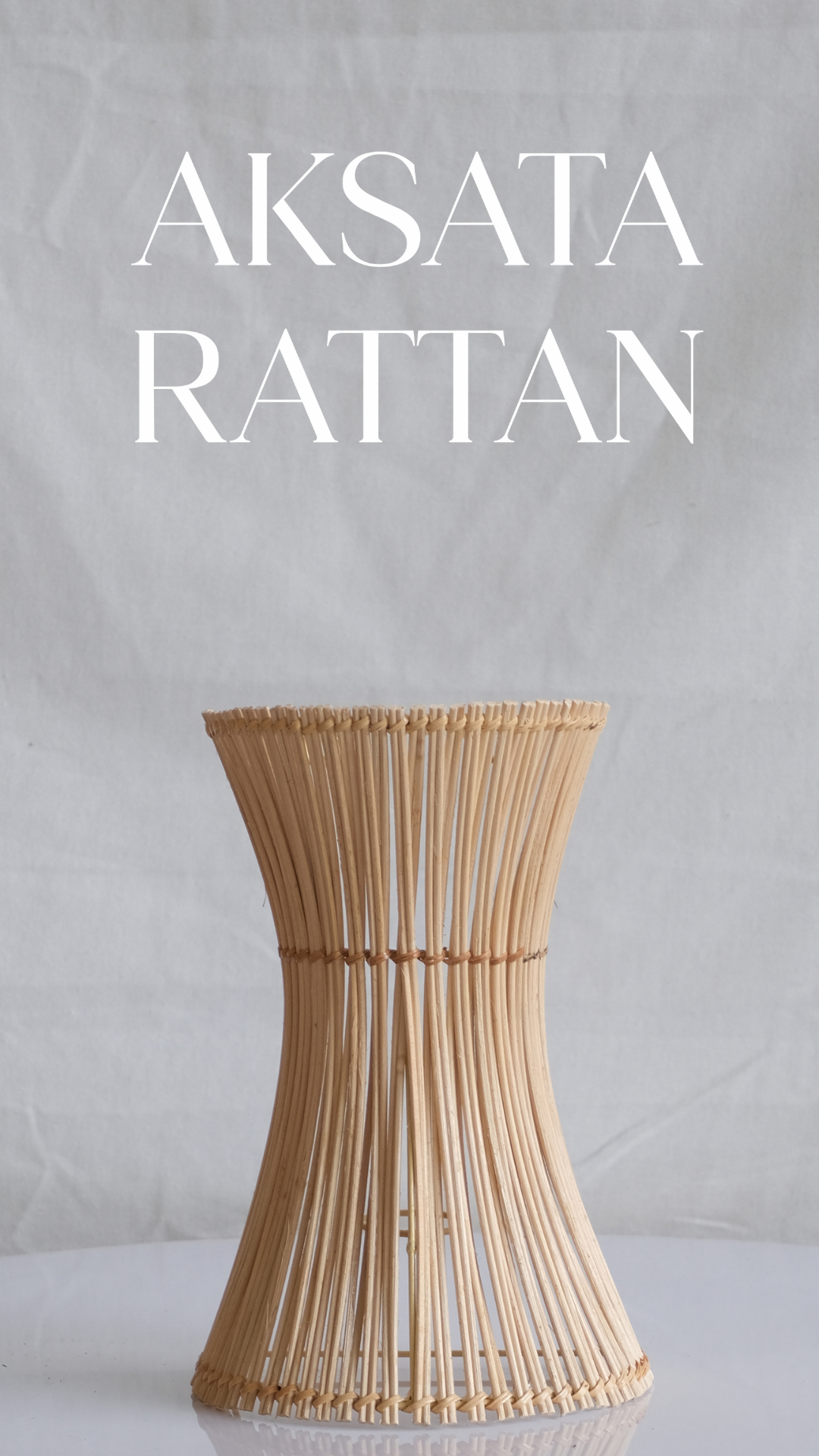
The rattan manufacturing industry has long been associated with traditional craftsmanship and manual production methods. For generations, artisans have relied on their skills and experience to transform raw rattan into furniture and decorative products. However, in recent years, technological advancements have begun to transform the rattan industry. Modern technology is improving production efficiency, enhancing product quality, and enabling manufacturers to compete more effectively in the global market.
Automation in Production Processes
One of the most significant technological changes in rattan manufacturing is the introduction of automated machinery. In traditional production, processes such as cutting, splitting, and polishing rattan were done entirely by hand. Today, specialized machines can perform these tasks more quickly and with greater precision.
Automated cutting machines allow manufacturers to produce rattan components with consistent sizes and shapes. This level of precision helps reduce material waste and ensures uniformity in furniture production. In addition, automated polishing and sanding machines improve the surface quality of rattan products while reducing the amount of manual labor required.
Advanced Drying and Treatment Technology
Drying is a crucial stage in rattan processing because excess moisture can lead to mold growth and structural damage. Traditionally, rattan was dried under the sun for several days. While this method is still used in some areas, modern manufacturers often utilize kiln drying systems.
Kiln drying technology allows manufacturers to control temperature and humidity levels, ensuring that rattan reaches the ideal moisture content more quickly and consistently. This controlled process reduces production time and improves the durability of the final product.
In addition to drying, technological innovations have also improved preservation treatments. Modern chemical treatments and eco-friendly protective solutions help protect rattan from insects, fungi, and environmental damage, extending the lifespan of rattan furniture.
Digital Design and Computer-Aided Design (CAD)
Technology has also revolutionized the design stage of rattan furniture manufacturing. Many manufacturers now use Computer-Aided Design (CAD) software to create detailed digital models before production begins.
With CAD technology, designers can experiment with shapes, dimensions, and structural components more efficiently. Digital prototypes allow manufacturers to identify potential design flaws and make adjustments before physical production begins. This reduces production errors and improves overall product quality.
Furthermore, digital design tools enable manufacturers to create innovative furniture styles that appeal to modern consumers while maintaining the natural aesthetic of rattan materials.
Improved Supply Chain Management
Technology has also improved the way rattan manufacturers manage their supply chains. Digital management systems allow companies to monitor inventory levels, track raw material sources, and manage production schedules more efficiently.
By using digital tools, manufacturers can coordinate with suppliers, distributors, and international buyers more effectively. This helps reduce delays, improve transparency, and ensure that production processes run smoothly.
In addition, modern logistics technology allows rattan products to be shipped globally with better tracking and coordination, supporting the growth of international trade.
E-Commerce and Global Market Access
The rise of digital platforms and e-commerce has opened new opportunities for rattan manufacturers to reach global customers. Online marketplaces, company websites, and social media platforms allow manufacturers to showcase their products to international buyers without relying solely on traditional trade exhibitions.
Through digital marketing and online sales platforms, even small and medium-sized rattan businesses can access global markets and build relationships with customers from different countries. This digital transformation has significantly expanded the market reach of rattan products.
Balancing Technology and Craftsmanship
Despite the increasing use of technology, traditional craftsmanship still plays an important role in rattan manufacturing. Many intricate weaving techniques and finishing details require human skill and artistic judgment that machines cannot fully replicate.
Therefore, many manufacturers combine modern technology with traditional craftsmanship. Machines may handle tasks such as cutting, drying, and shaping, while skilled artisans focus on weaving, assembly, and decorative finishing.
Conclusion
Technology is transforming the rattan manufacturing industry by improving efficiency, enhancing product quality, and expanding access to global markets. Innovations such as automated machinery, advanced drying systems, digital design tools, and e-commerce platforms are helping manufacturers adapt to the demands of modern consumers. However, the integration of technology does not replace traditional craftsmanship. Instead, it complements it, allowing the rattan industry to preserve its cultural heritage while embracing innovation and global growth.