
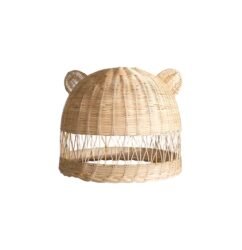

As environmental concerns continue to grow worldwide, industries are under increasing pressure to adopt sustainable and eco-friendly practices. Many consumers and businesses are now looking for materials and production methods that reduce environmental harm. In this context, rattan manufacturing has gained attention as a more sustainable alternative to many conventional materials used in furniture and home décor. Through responsible harvesting, efficient production processes, and the natural characteristics of the material itself, rattan manufacturing can significantly reduce environmental impact.
Rattan as a Renewable Natural Resource
One of the main reasons rattan manufacturing is considered environmentally friendly is the renewable nature of rattan. Rattan is a fast-growing climbing palm that thrives in tropical forests. Unlike hardwood trees, which may take decades to mature, rattan grows relatively quickly and can be harvested within a shorter period.
Additionally, harvesting rattan does not require cutting down entire trees. The vine-like stems can be collected while the surrounding forest ecosystem remains intact. This harvesting method helps maintain forest biodiversity and reduces the risk of deforestation.
Supporting Forest Conservation
Rattan harvesting can also contribute to forest conservation efforts. Because rattan grows naturally in forests, communities that depend on rattan resources have an incentive to protect these environments. When forests are maintained for sustainable rattan harvesting, they are less likely to be cleared for other purposes such as agriculture or large-scale logging.
In this way, rattan manufacturing can help create a sustainable economic value for forests while preserving important natural ecosystems.
Efficient Use of Raw Materials
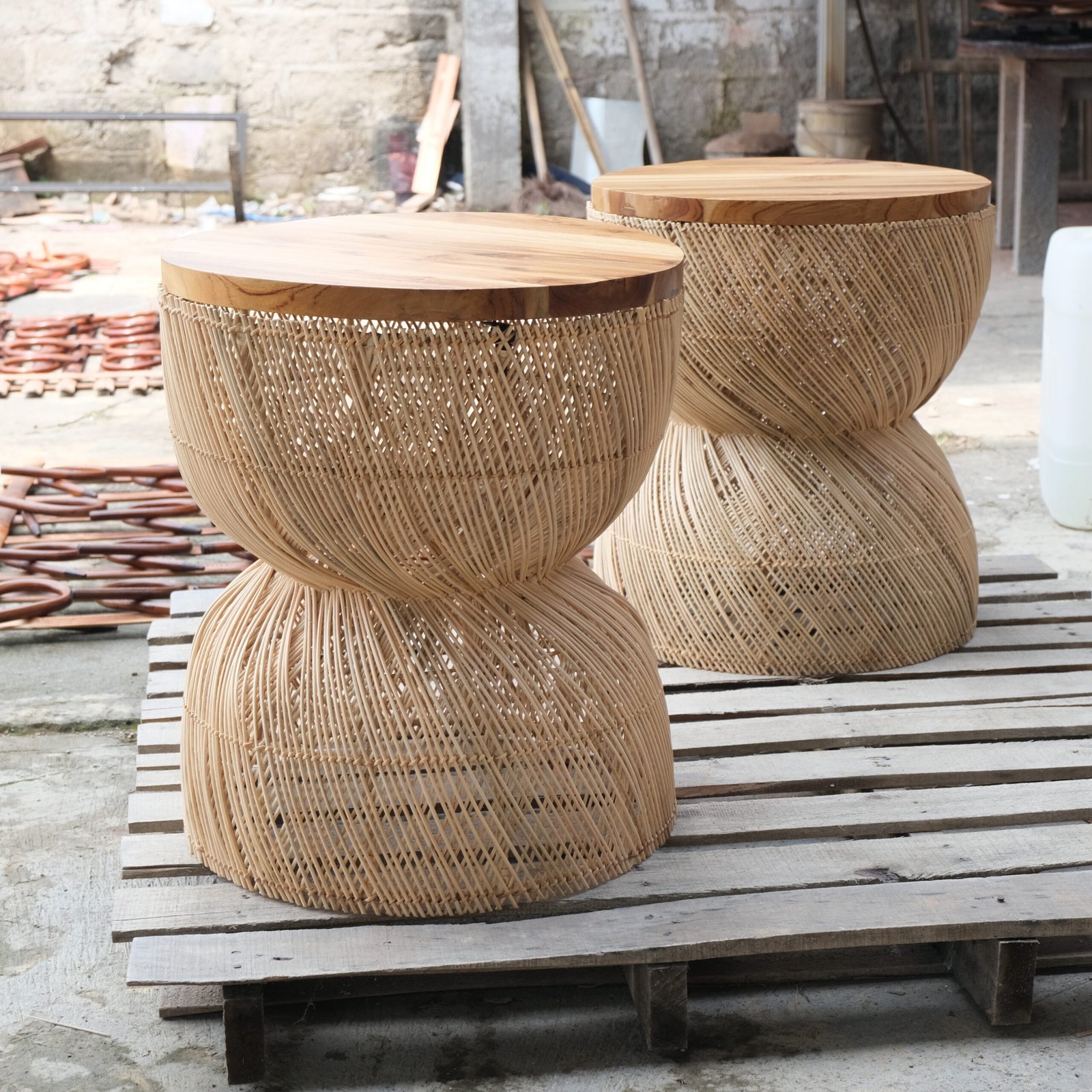
Rattan manufacturing is known for its efficient use of raw materials. Different parts of the rattan stem can be utilized for various purposes during the production process. Thick sections are often used for structural components such as furniture frames, while thinner strands are used for weaving patterns and decorative elements.
Even smaller leftover pieces can be repurposed for smaller products or accessories. This approach minimizes material waste and ensures that most of the harvested rattan is used effectively.
Lower Energy Consumption in Production
Compared to many industrial materials such as metal, plastic, or synthetic composites, rattan manufacturing generally requires less energy during production. Much of the shaping and weaving process is done manually by skilled artisans rather than by heavy machinery.
This reliance on craftsmanship not only preserves traditional skills but also reduces the overall energy consumption associated with manufacturing.
Biodegradable and Environmentally Friendly Products
Another environmental advantage of rattan products is their biodegradability. Unlike plastic or synthetic materials that may take hundreds of years to decompose, rattan is a natural material that can break down naturally over time.
At the end of a product’s lifecycle, rattan items are less likely to contribute to long-term environmental pollution. In many cases, they can also be repaired, reused, or repurposed, further reducing waste.
Encouraging Sustainable Consumer Choices
The growing availability of rattan products encourages consumers to make more environmentally responsible purchasing decisions. As awareness of sustainability increases, many consumers are choosing natural materials that have a lower environmental footprint.
By offering durable, attractive, and eco-friendly products, the rattan manufacturing industry supports the transition toward more sustainable consumption patterns.
Conclusion
Rattan manufacturing demonstrates how natural materials and responsible production practices can help reduce environmental impact. Through renewable resource use, efficient material utilization, lower energy consumption, and biodegradable products, the industry offers a sustainable alternative to many traditional manufacturing methods.
As global demand for eco-friendly products continues to rise, rattan manufacturing has the potential to play an increasingly important role in promoting environmentally responsible design and sustainable production.