

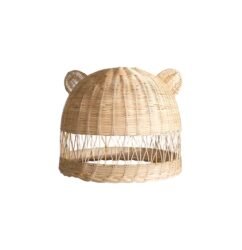

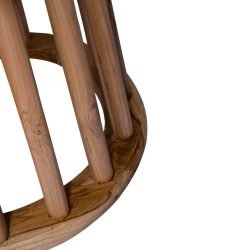

Rattan manufacturing has long been associated with traditional craftsmanship and artisanal skills. For centuries, craftsmen have transformed natural rattan into functional and decorative products through manual techniques passed down from generation to generation. Even as modern technology and industrial production methods continue to develop, handmade craftsmanship remains an essential element of the rattan manufacturing industry. Today, modern rattan production often combines advanced technology with traditional handmade techniques to create high-quality furniture and handicrafts that are valued in international markets.
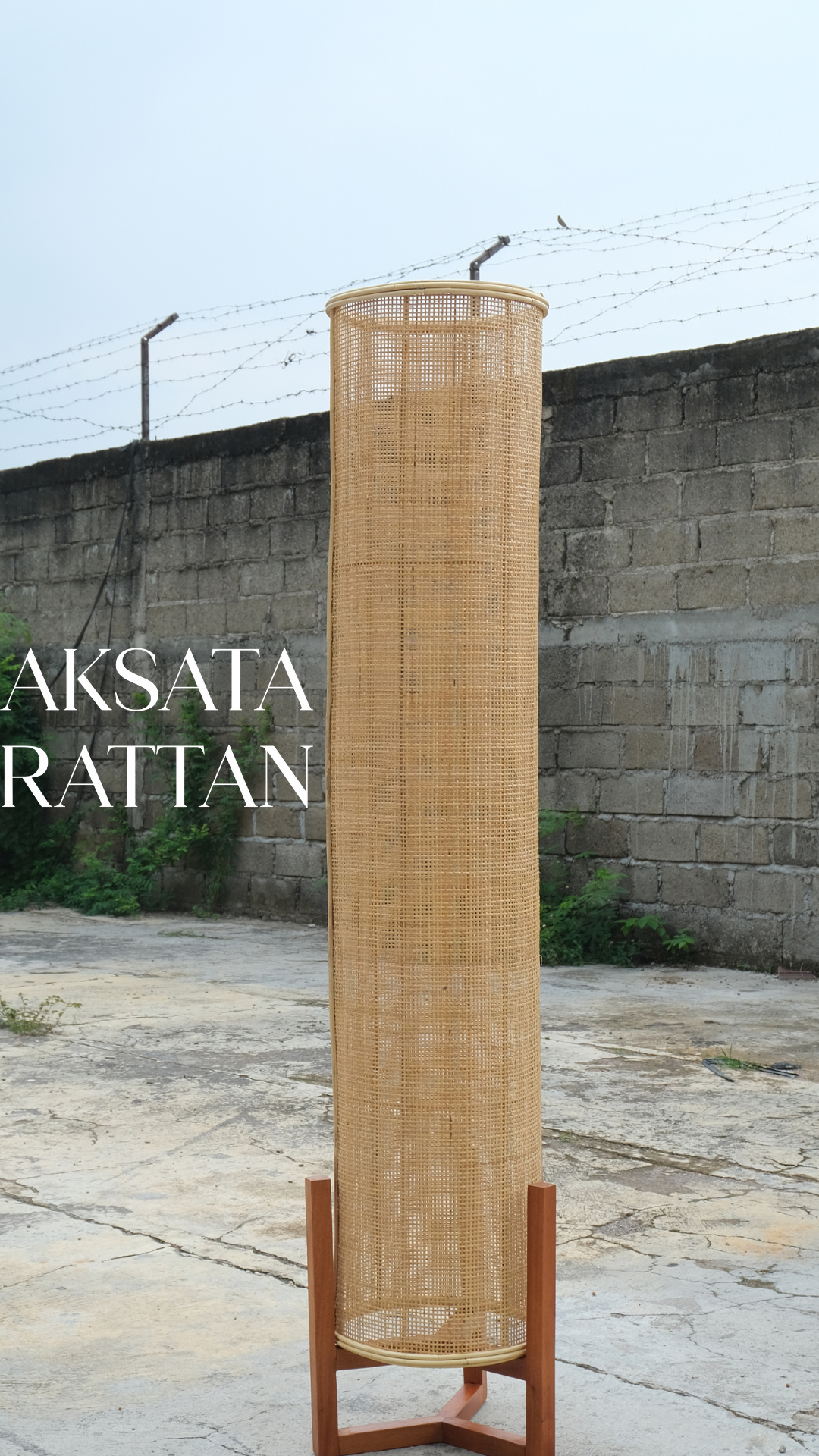
The Tradition of Handmade Rattan Craftsmanship
Handmade craftsmanship has deep cultural roots in many rattan-producing regions, particularly in Southeast Asia. Local artisans have developed specialized techniques for cutting, bending, weaving, and assembling rattan materials. These skills are typically learned through years of practice and experience, often passed down within families or local communities.
Traditional rattan craftsmanship involves using simple tools such as knives, chisels, and manual cutting instruments. Craftsmen carefully shape and weave the rattan to form furniture frames, baskets, and decorative objects. This process requires patience, precision, and creativity, making each handmade product unique.
The artistry involved in handmade rattan production contributes to the aesthetic value and authenticity of the final product.
The Role of Handmade Techniques in Modern Manufacturing
Although modern manufacturing technologies have improved production efficiency, handmade techniques still play a crucial role in many stages of rattan production. Machines can assist with cutting, drying, and shaping rattan materials, but intricate weaving and detailed finishing often require human skill.
For example, weaving rattan strips around furniture frames is typically done by skilled artisans. This process involves creating complex patterns that enhance both the strength and visual appeal of the furniture. Because weaving patterns vary depending on the design, handmade craftsmanship allows for greater flexibility and creativity.
In addition, finishing touches such as smoothing, binding, and decorative detailing are often completed by hand to ensure high product quality.
Unique Value of Handmade Rattan Products
Handmade rattan furniture is highly valued in international markets because of its uniqueness and craftsmanship. Unlike mass-produced items, handmade products often display subtle variations in texture, pattern, and structure. These variations highlight the human touch behind the product and make each item distinctive.
Consumers who appreciate artisanal products often view handmade rattan furniture as more authentic and culturally meaningful. This has increased the demand for handcrafted furniture in markets that value sustainable and ethically produced goods.
Supporting Local Communities and Cultural Heritage
Handmade craftsmanship in rattan manufacturing also supports the livelihoods of many rural communities. In several countries, rattan production provides employment opportunities for local artisans, particularly in small and medium-sized enterprises.
By preserving traditional skills, the rattan industry helps maintain cultural heritage and local craftsmanship traditions. Many communities rely on rattan weaving and furniture production as an important source of income, contributing to economic stability and community development.
Combining Craftsmanship with Modern Innovation
Modern rattan manufacturing increasingly integrates handmade craftsmanship with technological innovation. Machines are often used for tasks that require speed and consistency, such as cutting, drying, or shaping raw materials. Meanwhile, skilled artisans continue to perform weaving, assembly, and finishing processes that require precision and artistic judgment.
This hybrid approach allows manufacturers to increase production efficiency while preserving the authenticity and quality of handmade craftsmanship. It also enables companies to meet the growing demand for high-quality rattan furniture in global markets.
Conclusion
Handmade craftsmanship remains a vital component of modern rattan manufacturing. While technological advancements have improved efficiency and scalability, the skills and creativity of artisans continue to define the unique character of rattan products. By combining traditional craftsmanship with modern innovation, the rattan industry can preserve its cultural heritage while adapting to the evolving demands of the global furniture market.