

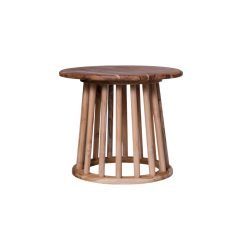


The rattan manufacturing industry has become an important part of the global furniture and handicraft market. With its natural beauty, durability, and environmentally friendly characteristics, rattan products have gained strong demand in international markets. As global consumers increasingly seek sustainable and aesthetically pleasing furniture, the export potential of rattan manufacturing continues to grow. For producing countries, especially in tropical regions, this industry offers significant opportunities to expand international trade and strengthen economic development.
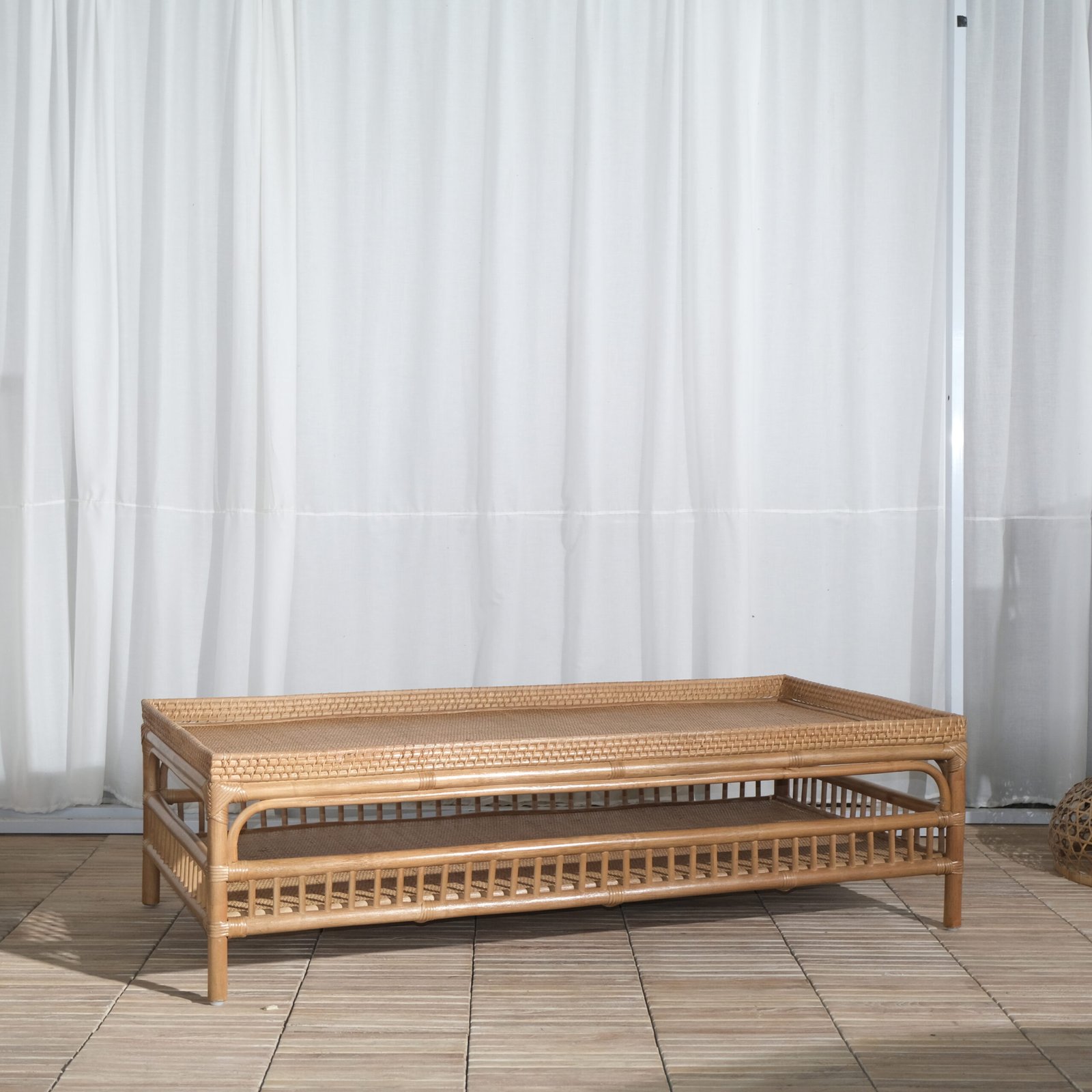
Growing Global Demand for Rattan Products
One of the main factors creating export opportunities in the rattan industry is the increasing global demand for natural and sustainable furniture. Consumers in many countries are becoming more environmentally conscious and prefer products made from renewable materials. Rattan, as a fast-growing and renewable natural resource, fits well within this trend.
Rattan furniture is widely used in homes, hotels, restaurants, resorts, and outdoor living spaces. Its lightweight structure and natural appearance make it attractive for modern interior and exterior design. As a result, international demand for rattan products continues to increase, particularly in developed markets.
Major International Markets
Several regions represent major export destinations for rattan products. Europe is one of the largest markets, where consumers often prefer eco-friendly and handcrafted furniture. Countries such as Germany, France, and the Netherlands import significant amounts of rattan furniture and home décor items.
North America is another important market for rattan exports. In the United States and Canada, rattan furniture is commonly used in both indoor and outdoor settings. The hospitality industry, including hotels and resorts, also contributes to the demand for high-quality rattan products.
Additionally, markets in the Middle East, Australia, and parts of Asia are showing increasing interest in rattan furniture as urban development and tourism industries expand.
Competitive Advantages of Rattan-Producing Countries
Countries that have abundant rattan resources possess strong advantages in the global export market. Nations in Southeast Asia, particularly Indonesia, the Philippines, and Vietnam, have long traditions of rattan harvesting and craftsmanship. These countries benefit from natural resources, skilled labor, and established manufacturing industries.
In many cases, local artisans combine traditional weaving techniques with modern furniture design to create products that appeal to international buyers. This combination of craftsmanship and innovation strengthens the competitiveness of rattan products in global markets.
Product Diversification and Design Innovation
Export opportunities in the rattan industry are not limited to traditional furniture products. Manufacturers are increasingly diversifying their product lines to meet changing consumer preferences. In addition to chairs, tables, and sofas, rattan is now used to produce lighting fixtures, decorative accessories, storage baskets, and wall décor.
Design innovation plays a key role in expanding export potential. By collaborating with international designers and adapting to global design trends, manufacturers can create products that attract a broader range of customers.
The Role of E-Commerce and Digital Marketing
The rise of digital technology has created new opportunities for rattan manufacturers to reach international buyers. Online marketplaces, company websites, and social media platforms allow manufacturers to promote their products globally without relying solely on traditional trade channels.
Small and medium-sized businesses can now connect directly with international customers, interior designers, and retail companies. E-commerce platforms have significantly lowered the barriers to entry for exporting rattan products to global markets.
Challenges in Export Development
Despite strong export potential, the rattan manufacturing industry also faces several challenges. These include competition from synthetic materials, fluctuations in global shipping costs, and the need to meet international quality and sustainability standards.
Exporters must also comply with regulations related to product safety, environmental certification, and sustainable sourcing. Meeting these standards requires continuous improvement in production practices and supply chain transparency.
Conclusion
The rattan manufacturing industry offers significant export opportunities due to the growing global demand for sustainable and aesthetically appealing furniture. With strong natural resources, skilled craftsmanship, and increasing access to international markets through digital platforms, rattan-producing countries have the potential to expand their presence in global trade. By focusing on product innovation, quality improvement, and sustainable practices, the rattan industry can continue to strengthen its position as an important contributor to international furniture exports.