




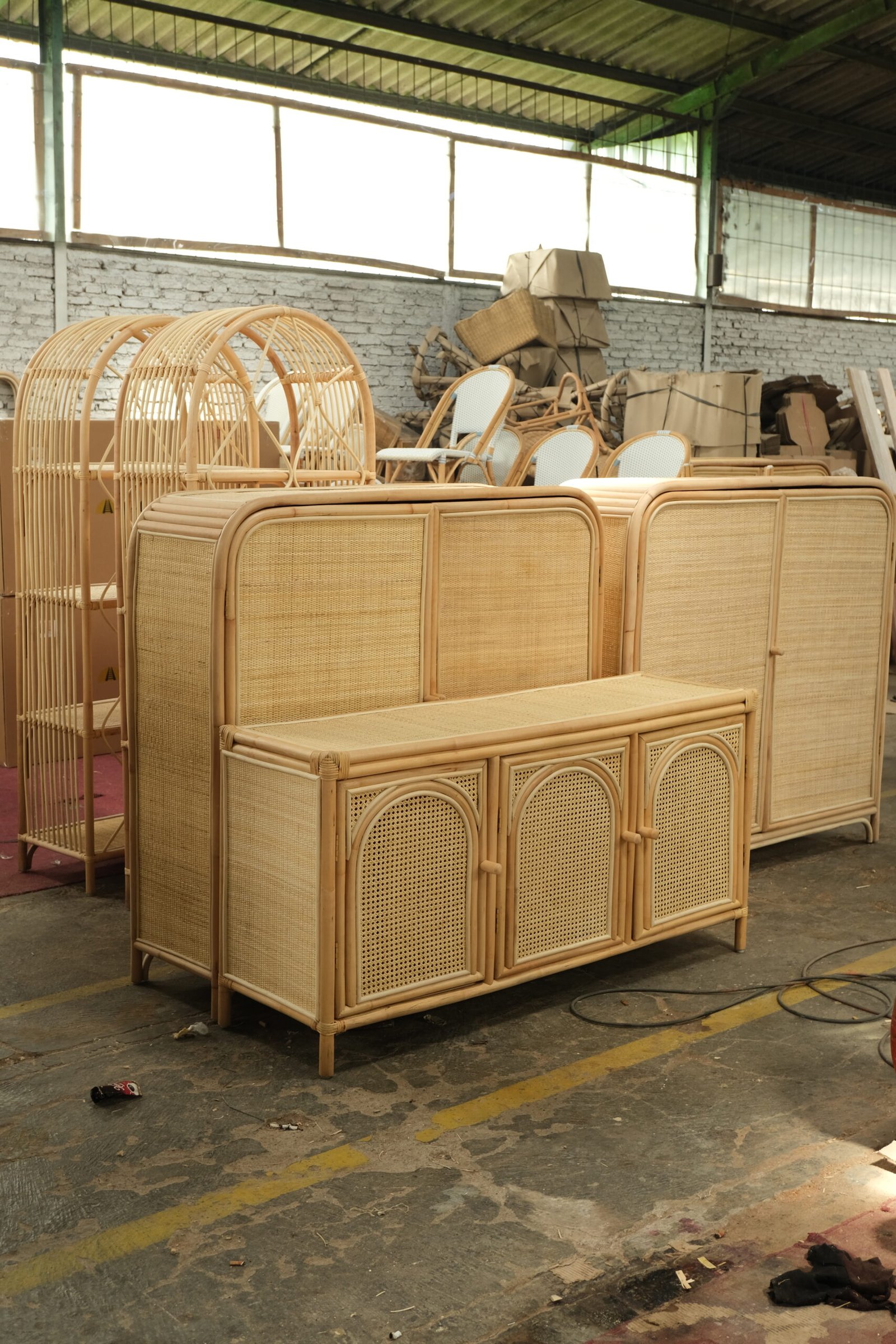
The rattan manufacturing industry is an important sector within the global furniture and handicraft market. Known for its natural beauty, flexibility, and sustainability, rattan has become a popular material for producing furniture, baskets, and decorative items. For beginners who want to understand how this industry works, it is important to learn about the characteristics of rattan, the manufacturing process, and the role the industry plays in the global economy. This guide provides a basic introduction to the rattan manufacturing industry and its key components.
What is Rattan?
Rattan is a natural material that comes from a type of climbing palm plant commonly found in tropical forests. It grows primarily in regions of Southeast Asia, Africa, and parts of Oceania. Unlike hardwood trees, rattan grows quickly and can be harvested without cutting down large trees, making it a renewable and environmentally friendly resource.
Rattan is widely used in furniture production because it is lightweight, strong, and flexible. When heated or steamed, rattan can be bent into various shapes, allowing manufacturers to create a wide range of furniture designs.
The Importance of the Rattan Industry
The rattan industry plays an important role in supporting local economies, especially in tropical countries where rattan grows naturally. Many communities depend on rattan harvesting, processing, and furniture production as their primary source of income.
In addition to supporting local employment, the rattan industry also contributes to international trade. Rattan furniture and handicrafts are exported to many countries around the world, particularly to markets in Europe, North America, and Asia.
Basic Stages of Rattan Manufacturing
The rattan manufacturing process involves several key stages that transform raw rattan into finished products.
1. Harvesting
The process begins with the harvesting of rattan from forests. Workers carefully cut mature rattan canes and remove leaves, spines, and outer sheaths before transporting them to processing facilities.
2. Cleaning and Sorting
Once collected, the rattan is cleaned and sorted based on its size, quality, and intended use. High-quality rattan canes are selected for furniture frames, while smaller pieces may be used for weaving or decorative components.
3. Drying and Treatment
Rattan must be dried to reduce moisture content and prevent mold growth. Traditional sun-drying methods are often used, although modern factories may use controlled drying systems. The rattan may also be treated to protect it from insects and fungi.
4. Shaping and Weaving
During this stage, rattan canes are heated or steamed so they can be bent into different shapes. Skilled craftsmen then weave thin rattan strips around frames to create seating surfaces and decorative patterns.
5. Assembly and Finishing
The final steps include assembling the furniture components, sanding the surfaces, and applying finishes such as varnish or paint to improve durability and appearance.
Types of Rattan Products
The rattan manufacturing industry produces a wide variety of products. Some of the most common include:
- Furniture such as chairs, sofas, tables, and beds
- Decorative items such as baskets, lampshades, and wall décor
- Outdoor furniture for patios, gardens, and resorts
- Storage products and household accessories
Because of its flexibility and aesthetic appeal, rattan can be used to create both traditional and modern furniture designs.
Sustainability in the Rattan Industry
One of the reasons rattan manufacturing has gained global attention is its sustainability. Since rattan grows quickly and can be harvested without damaging forests, it is considered a renewable resource. Many manufacturers are also adopting eco-friendly production methods and responsible sourcing practices.
These sustainable characteristics make rattan products attractive to consumers who prefer environmentally friendly furniture.
Opportunities in the Industry
The rattan manufacturing industry offers many opportunities for entrepreneurs, designers, and manufacturers. With growing demand for natural and sustainable materials, rattan furniture is becoming increasingly popular in international markets.
In addition, advancements in technology and digital marketing allow manufacturers to reach global customers more easily through online platforms and international trade networks.
Conclusion
The rattan manufacturing industry is a dynamic and sustainable sector that combines natural resources, traditional craftsmanship, and modern production techniques. For beginners, understanding the basics of rattan materials, the manufacturing process, and the global market can provide valuable insight into how the industry operates. As interest in sustainable furniture continues to grow, the rattan industry is expected to remain an important part of the global furniture market.