





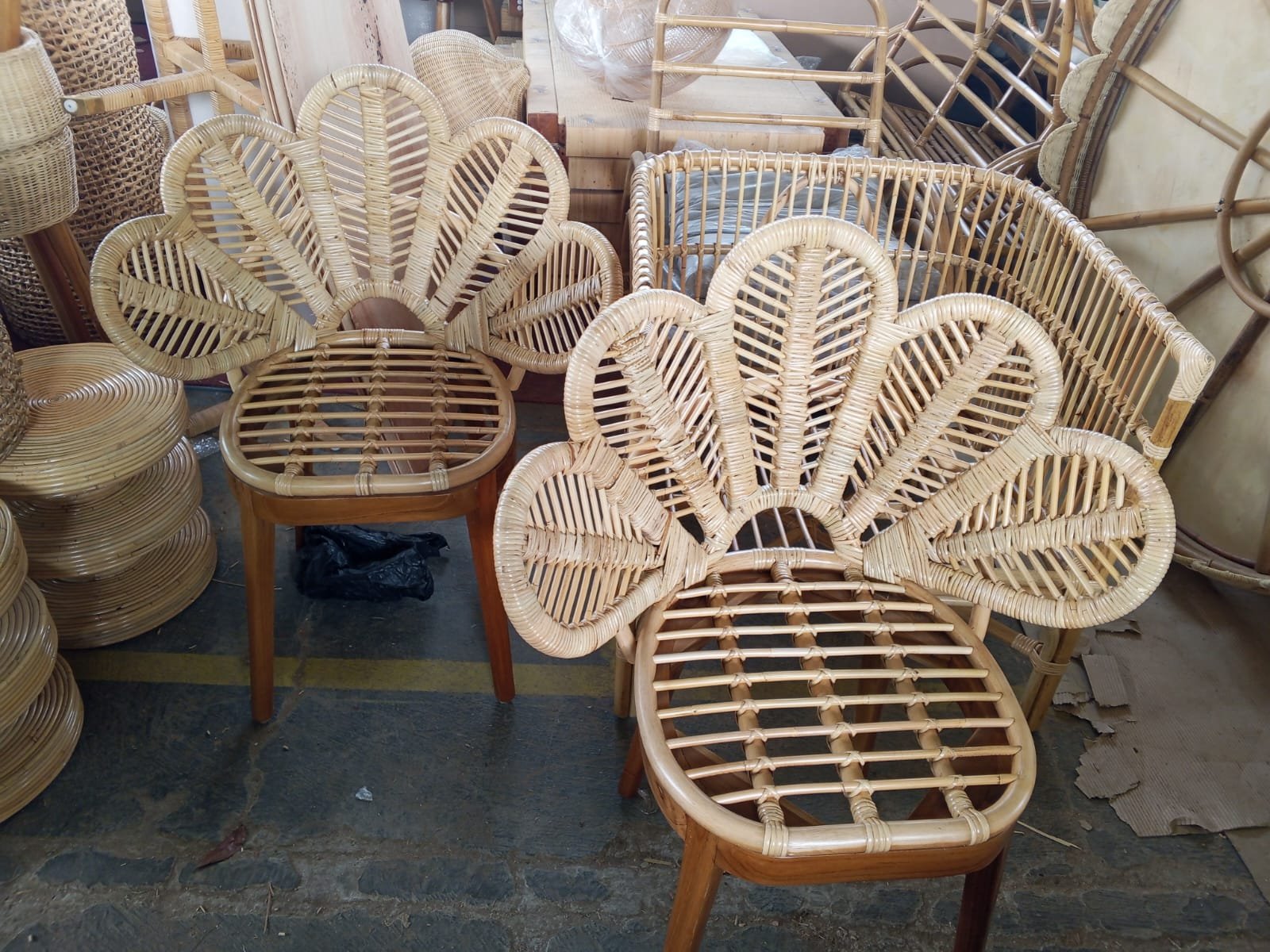
In recent years, sustainability has become a key focus in many industries, including furniture manufacturing. Businesses and consumers alike are seeking products that reduce environmental impact while maintaining quality and functionality. Among the materials used in furniture production, rattan has gained attention as a sustainable and versatile option. Rattan furniture manufacture plays an important role in promoting a more sustainable industry by using renewable resources, supporting eco-friendly production practices, and encouraging responsible consumption.
Rattan as a Sustainable Raw Material
Rattan is a natural climbing palm that grows primarily in tropical forests, particularly in Southeast Asia. One of its most important characteristics is its rapid growth compared to traditional hardwood trees. While hardwood may take decades to mature, rattan can grow and be harvested within a few years.
This fast growth makes rattan a renewable resource that can be harvested sustainably without causing long-term environmental damage. When harvested responsibly, rattan plants continue to grow and regenerate, ensuring a stable supply of raw materials for furniture manufacturing.
Supporting Forest Conservation
Another important aspect of rattan furniture manufacture is its connection to forest conservation. Rattan naturally grows within forest ecosystems, and its cultivation often encourages the protection of these environments.
Communities and producers who depend on rattan have a strong incentive to maintain healthy forests where the plants can thrive. By preserving forest habitats, rattan production indirectly supports biodiversity and reduces the pressure on timber resources that often contribute to deforestation.
Eco-Friendly Manufacturing Processes
Rattan furniture manufacturing typically involves production processes that are less energy-intensive than many other types of furniture manufacturing. Because rattan is naturally flexible, it can be bent and shaped using heat or steam instead of heavy industrial machinery.
In many cases, the weaving and assembly of rattan furniture are performed by skilled artisans using traditional techniques. These methods require minimal energy and produce less industrial waste compared to large-scale automated production systems.
Many manufacturers are also adopting environmentally responsible practices such as recycling leftover materials, reducing waste during production, and using non-toxic finishes and coatings.
Promoting Durable and Long-Lasting Products
Sustainability in manufacturing is not only about the materials used but also about the longevity of the final products. Rattan furniture is known for its strength and durability when properly treated and crafted.
High-quality rattan furniture can last for many years, reducing the need for frequent replacement. This durability helps minimize waste and supports a more sustainable approach to furniture consumption.
Supporting Local Economies and Craftsmanship
Rattan furniture manufacture also contributes to social sustainability by providing employment opportunities for local communities. Many stages of the production process rely on skilled artisans who specialize in bending, shaping, and weaving rattan materials.
These traditional skills are often passed down through generations, preserving cultural heritage while supporting economic development. By maintaining these crafts, the rattan furniture industry helps strengthen local economies and create stable livelihoods.
Meeting Global Demand for Sustainable Products
As environmental awareness continues to grow worldwide, consumers are increasingly looking for products that align with sustainable values. Rattan furniture fits well within this trend because it combines natural materials, traditional craftsmanship, and environmentally responsible production methods.
This growing demand has allowed rattan furniture manufacturers to expand their presence in international markets. Hotels, resorts, cafés, and residential properties frequently choose rattan furniture to create natural and sustainable interior spaces.
Conclusion
Rattan furniture manufacture plays an important role in promoting a more sustainable industrial sector. By using renewable materials, supporting forest conservation, and adopting eco-friendly production methods, the industry contributes to environmental protection while producing high-quality furniture.
At the same time, rattan furniture manufacturing supports local communities and preserves traditional craftsmanship. As global demand for sustainable products continues to increase, the rattan furniture industry will remain an important example of how manufacturing can combine economic growth with environmental responsibility.