



As environmental concerns continue to influence industries worldwide, the demand for sustainable production methods has become increasingly important. The furniture industry, in particular, has been exploring ways to reduce its environmental impact while maintaining product quality and design appeal. Among the many materials used in furniture manufacturing, rattan has emerged as a leading option for eco-friendly production. Rattan furniture manufacturing offers a sustainable approach that combines renewable materials, responsible production practices, and traditional craftsmanship to support a greener future.
The Sustainability of Natural Rattan
Rattan is a naturally renewable material that grows primarily in tropical forests, especially in Southeast Asia. Unlike hardwood trees that require many years to mature, rattan grows quickly and can be harvested within a relatively short period. This rapid growth makes it a sustainable raw material for furniture production.
When harvested responsibly, rattan plants continue to grow and regenerate without causing significant harm to forest ecosystems. Because rattan thrives in healthy forests, its cultivation also encourages the preservation of natural environments and biodiversity.
Energy-Efficient Manufacturing Processes
One of the key advantages of rattan furniture manufacturing is its relatively low energy consumption compared to many other forms of furniture production. Rattan’s natural flexibility allows it to be shaped using heat or steam, reducing the need for heavy industrial machinery.
In many production facilities, traditional techniques such as hand weaving and manual assembly are still widely used. These methods require less energy and produce fewer emissions, making the manufacturing process more environmentally friendly.
By combining these traditional practices with modern efficiency improvements, manufacturers can reduce their overall environmental footprint.
Waste Reduction and Resource Efficiency
Eco-friendly production also focuses on reducing waste and maximizing the use of available resources. In rattan furniture manufacturing, leftover materials from the main production process are often reused for smaller components or decorative elements.
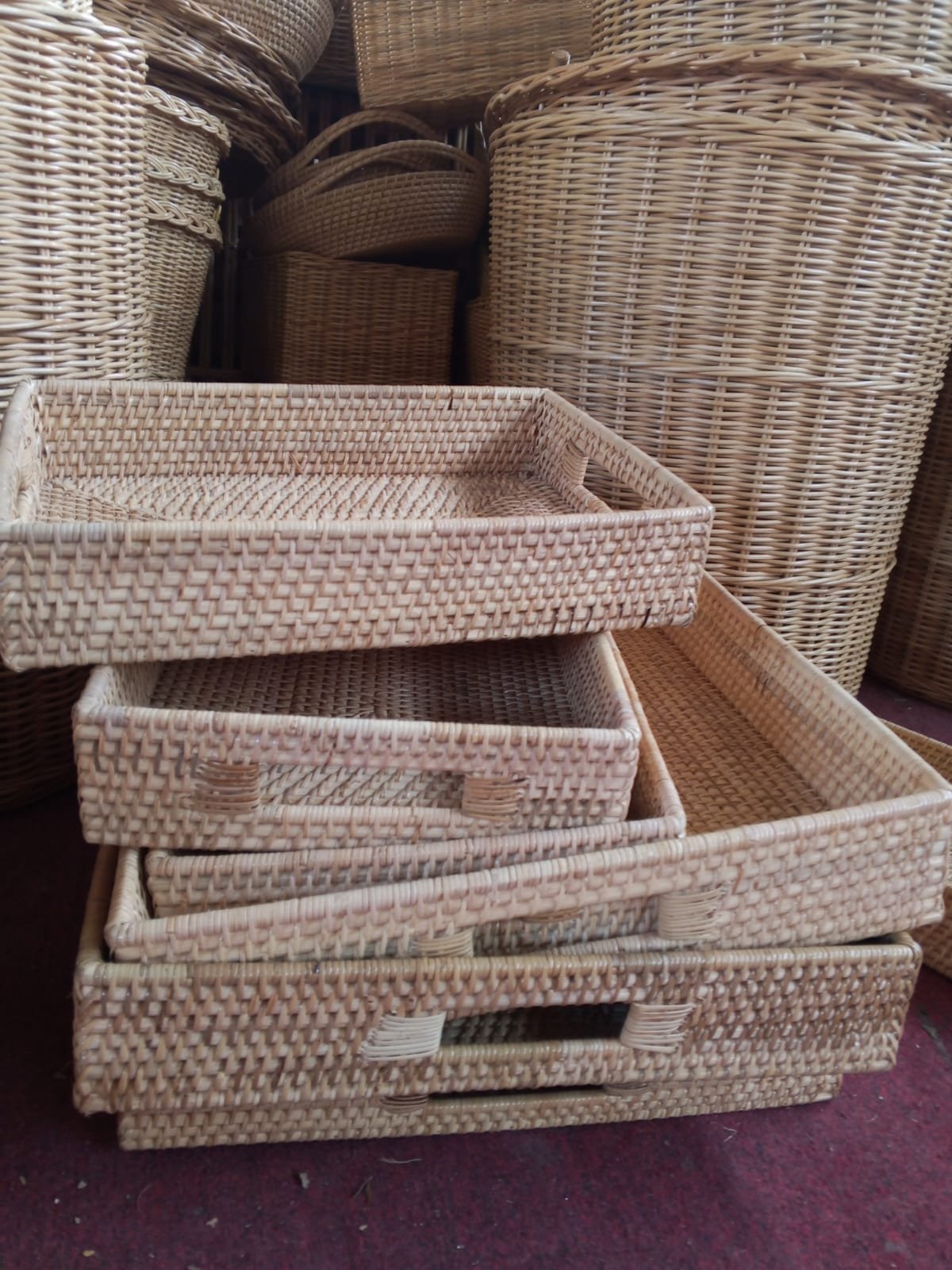
Some manufacturers also recycle rattan fibers or use them for additional products such as baskets, accessories, or decorative items. This approach helps minimize production waste and supports a more circular manufacturing system.
Environmentally Friendly Finishing Techniques
Another important aspect of eco-friendly production is the use of environmentally safe finishing materials. Modern rattan furniture manufacturers increasingly use water-based coatings, natural stains, and non-toxic finishes to protect the furniture surface.
These finishing techniques not only enhance the appearance of rattan furniture but also reduce harmful chemical emissions that can negatively affect both workers and the environment.
Supporting Sustainable Communities
Rattan furniture manufacturing also supports social sustainability by providing employment opportunities for local communities. Many stages of production rely on skilled artisans who specialize in shaping and weaving rattan materials.
These traditional skills are often passed down through generations, helping preserve cultural heritage while creating stable sources of income. By supporting local craftsmanship, the industry contributes to both economic development and social sustainability.
Meeting the Demand for Eco-Conscious Furniture
As consumers become more environmentally aware, there is growing demand for furniture that reflects sustainable values. Rattan furniture meets this demand by offering products that combine natural materials, durability, and eco-friendly production methods.
From residential homes to hospitality spaces, rattan furniture is increasingly chosen for its ability to create warm, natural interiors while supporting environmentally responsible design.
Conclusion
Rattan furniture manufacturing represents an effective example of eco-friendly production in the modern furniture industry. Through the use of renewable materials, energy-efficient processes, waste reduction strategies, and sustainable finishing techniques, the industry contributes to a more environmentally responsible future.
As global awareness of sustainability continues to grow, rattan furniture manufacturing will play an increasingly important role in shaping a furniture industry that values both environmental protection and high-quality design.