





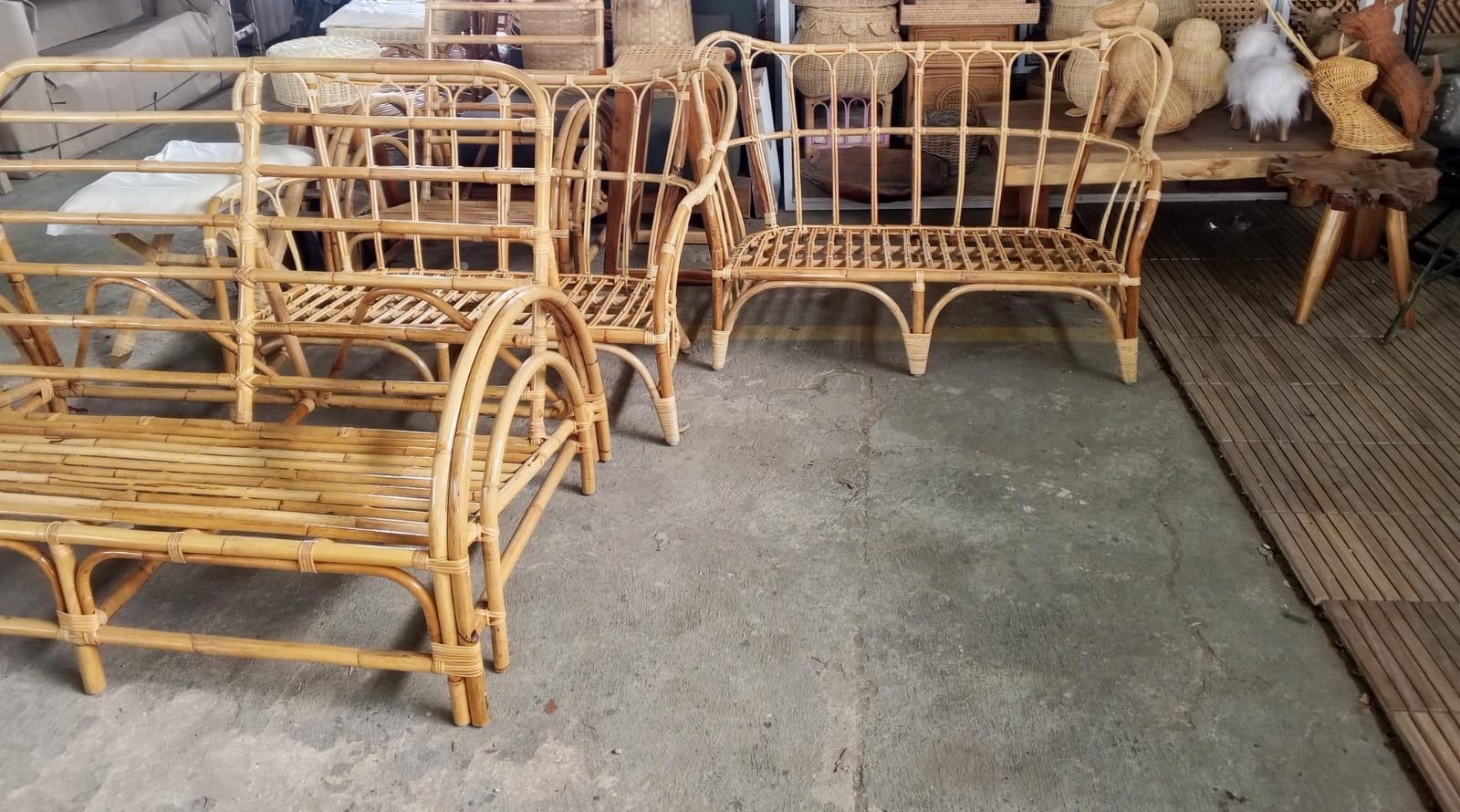
As the global economy shifts toward sustainability, many industries are exploring ways to balance economic development with environmental responsibility. One sector that contributes significantly to this transition is rattan furniture manufacturing. By utilizing renewable materials, promoting eco-friendly production practices, and supporting local communities, the rattan furniture industry plays an important role in advancing green economic growth.
Utilizing Renewable Natural Resources
A key aspect of green economic growth is the responsible use of natural resources. Rattan furniture manufacturing supports this goal by relying on rattan, a fast-growing climbing palm that thrives in tropical forests. Unlike many hardwood trees that require decades to mature, rattan can grow and regenerate within a few years.
Because of its rapid growth cycle, rattan is considered a renewable resource. Sustainable harvesting practices allow rattan to be collected without causing significant harm to forest ecosystems. This ensures that the material can continue to be used for furniture production while maintaining environmental balance.
Encouraging Forest Conservation
Rattan grows naturally within forest environments, and its cultivation often encourages the preservation of these ecosystems. Communities that depend on rattan harvesting have a strong incentive to maintain healthy forests where the plants can grow.
By supporting forest conservation, the rattan furniture industry contributes to biodiversity protection and helps prevent deforestation. This relationship between economic activity and environmental preservation is an important principle of green economic development.
Supporting Local Economies and Employment
Rattan furniture manufacturing provides employment opportunities for many people, especially in rural areas where rattan grows naturally. The industry supports a wide range of jobs, including harvesting, processing, crafting, designing, and exporting furniture products.
Many stages of the production process rely on skilled artisans who transform raw rattan into beautifully crafted furniture pieces. These activities generate income for local communities and contribute to regional economic development.
At the same time, the preservation of traditional craftsmanship helps maintain cultural heritage while supporting sustainable livelihoods.
Promoting Eco-Friendly Manufacturing Practices
Green economic growth also involves adopting production methods that minimize environmental impact. Rattan furniture manufacturing often requires less energy compared to many other types of furniture production.
Because rattan is naturally flexible, it can be shaped using heat or steam instead of heavy industrial machinery. In addition, many manufacturers continue to use traditional hand weaving techniques that require minimal energy consumption.
Many companies also adopt environmentally responsible practices such as reducing production waste, recycling leftover materials, and using non-toxic finishing products.
Expanding Sustainable Export Markets
The global demand for environmentally friendly furniture continues to grow as consumers become more aware of sustainability issues. Rattan furniture has gained popularity in international markets because of its natural appearance, durability, and eco-friendly qualities.
Countries that produce rattan furniture have successfully expanded their export markets to regions such as Europe, North America, and Australia. This growth in international trade contributes to economic development while promoting sustainable products worldwide.
Encouraging Innovation in Sustainable Design
The rattan furniture industry also encourages innovation in sustainable product design. Designers are continuously exploring new shapes, materials, and production techniques to create furniture that meets modern lifestyle needs.
Combining rattan with materials such as metal, glass, and fabric allows manufacturers to produce contemporary furniture while maintaining the sustainability advantages of natural rattan. These innovations help the industry remain competitive in global markets.
Conclusion
Rattan furniture manufacturing plays an important role in supporting green economic growth by combining environmental responsibility with economic development. Through the use of renewable materials, sustainable harvesting practices, and eco-friendly production methods, the industry contributes to a more balanced and sustainable economy.
In addition, the sector supports local employment, preserves traditional craftsmanship, and expands international trade opportunities. As global demand for sustainable products continues to increase, rattan furniture manufacturing will remain a valuable contributor to a greener and more sustainable economic future.