



In the modern industrial landscape, sustainability has become a key factor in shaping how products are designed, manufactured, and distributed. Industries around the world are searching for ways to balance economic growth with environmental responsibility. One sector that demonstrates this balance effectively is rattan furniture manufacturing. By combining renewable materials, traditional craftsmanship, and modern innovation, the rattan furniture industry has become a strong example of sustainable industry innovation.
The Role of Renewable Materials
One of the main reasons rattan furniture manufacturing is considered a model for sustainable innovation is the use of renewable natural materials. Rattan is a climbing palm that grows naturally in tropical forests and is known for its fast growth rate. Unlike hardwood trees that may require decades to mature, rattan can be harvested within a few years.
This rapid growth allows rattan to regenerate naturally, making it a renewable resource. Responsible harvesting ensures that the plants continue to grow while maintaining the health of forest ecosystems. By relying on renewable materials, rattan furniture manufacturers reduce the environmental impact associated with traditional timber-based furniture production.
Integrating Traditional Craftsmanship with Modern Innovation
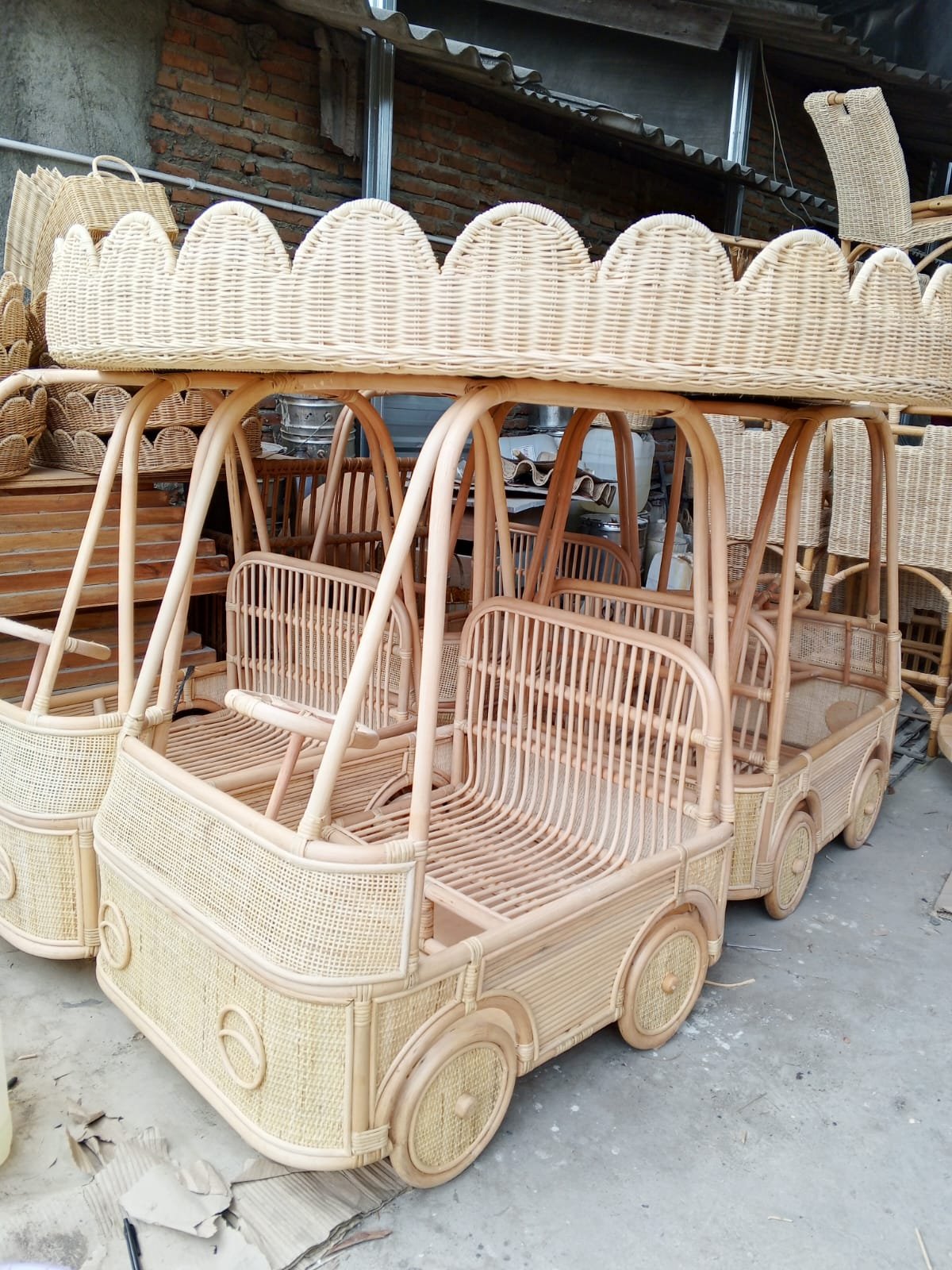
Rattan furniture manufacturing is unique because it blends traditional craftsmanship with modern industrial innovation. Skilled artisans play an essential role in shaping and weaving rattan materials into functional and decorative furniture pieces.
At the same time, modern technologies such as improved drying systems, precision cutting tools, and computer-aided design (CAD) have enhanced production efficiency and product quality. This combination of tradition and technology allows manufacturers to maintain the authenticity of handcrafted furniture while meeting the standards of global markets.
Environmentally Responsible Production Methods
Another factor that makes rattan furniture manufacturing a model for sustainable industry innovation is its relatively low environmental impact. Many stages of the production process require less energy compared to other types of furniture manufacturing.
The natural flexibility of rattan allows it to be bent and shaped using heat or steam rather than heavy industrial machinery. In addition, many manufacturers are adopting eco-friendly finishing techniques such as water-based coatings and non-toxic stains.
Waste reduction is also an important part of the production process. Leftover rattan materials are often reused for smaller components or decorative products, helping to minimize industrial waste.
Encouraging Sustainable Product Design
Innovation in the rattan furniture industry is not limited to production methods. Designers are continuously exploring new ways to create furniture that is both functional and environmentally responsible.
Modern rattan furniture often features innovative shapes, modular structures, and combinations with other materials such as metal, glass, or fabric. These design innovations allow rattan furniture to remain competitive in contemporary markets while maintaining its sustainability advantages.
Supporting Local Communities and Economic Development
Rattan furniture manufacturing also contributes to social sustainability. The industry provides employment opportunities for many people, particularly in rural areas where rattan grows naturally.
Harvesters, artisans, designers, and factory workers all play important roles in the production process. By supporting these jobs, the industry helps strengthen local economies and preserve traditional craftsmanship skills that have been passed down through generations.
Expanding Global Market Opportunities
As global demand for environmentally friendly products continues to grow, rattan furniture has gained increasing attention in international markets. Consumers appreciate the combination of sustainability, craftsmanship, and natural design that rattan furniture offers.
This growing demand has encouraged manufacturers to expand their export markets and invest in further innovation. As a result, the rattan furniture industry continues to evolve while maintaining its commitment to sustainable production practices.
Conclusion
Rattan furniture manufacturing stands as a powerful example of how industries can innovate while remaining environmentally responsible. Through the use of renewable materials, energy-efficient production methods, and creative design innovation, the industry demonstrates how sustainability and economic growth can work together.
By combining traditional craftsmanship with modern technology and sustainable practices, rattan furniture manufacturing serves as a valuable model for sustainable industry innovation in the global marketplace.