





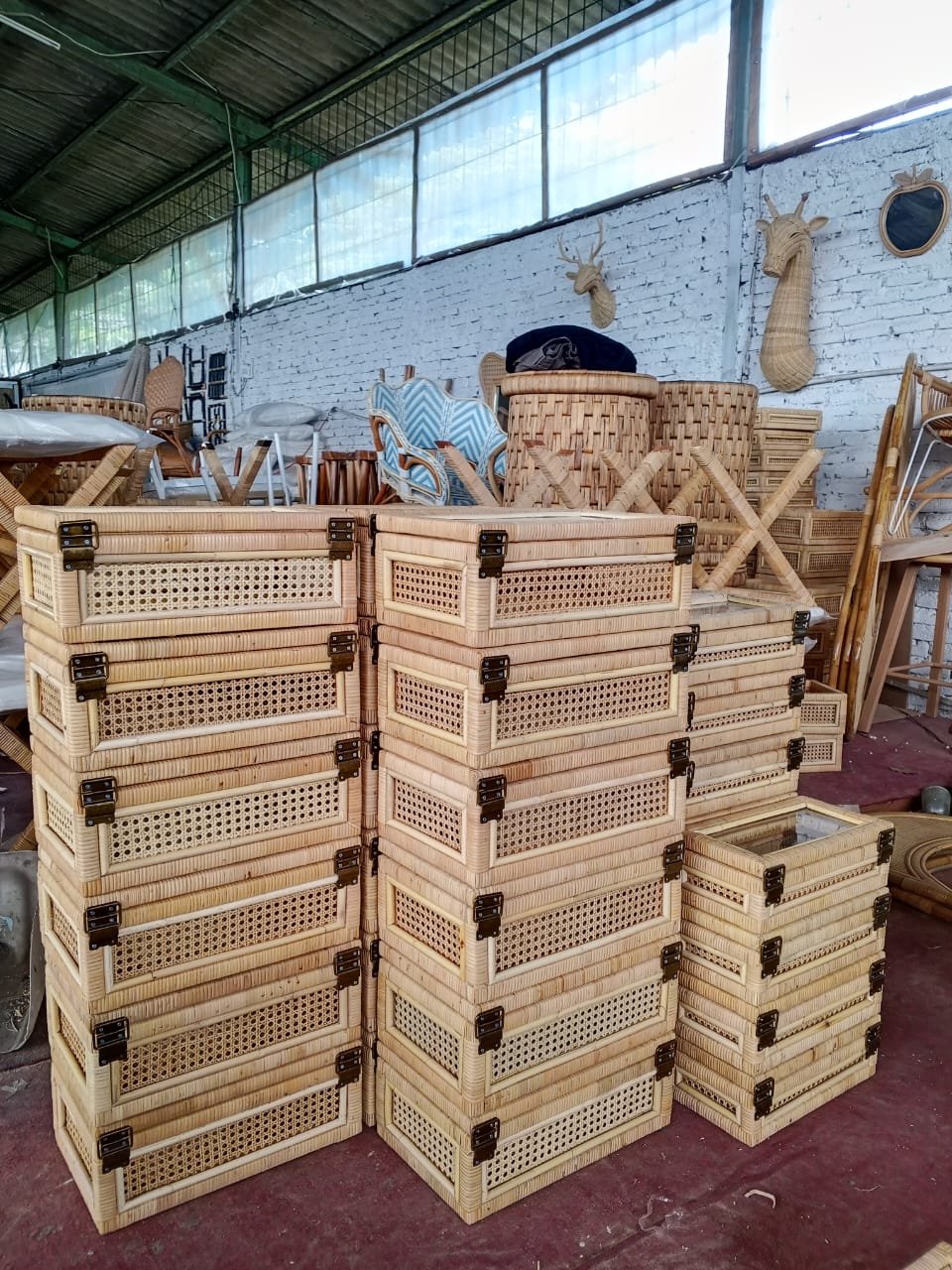
As global awareness of environmental sustainability continues to grow, industries are increasingly encouraged to adopt responsible materials in their production processes. The furniture industry, in particular, plays an important role in this movement because it relies heavily on natural resources. One sector that has successfully promoted the use of responsible materials is rattan furniture manufacturing. By utilizing renewable resources, encouraging sustainable harvesting, and supporting eco-friendly production practices, the rattan furniture industry contributes significantly to a more responsible and sustainable manufacturing system.
The Importance of Responsible Materials in Modern Manufacturing
Responsible materials refer to resources that are sourced, processed, and used in ways that minimize environmental impact and support long-term sustainability. In furniture production, choosing responsible materials helps reduce deforestation, conserve biodiversity, and lower carbon emissions.
Many traditional furniture materials rely on hardwood trees that require decades to grow and regenerate. In contrast, sustainable alternatives such as rattan provide a more environmentally friendly solution. By shifting toward renewable materials, manufacturers can meet consumer demand while protecting natural ecosystems.
Rattan as a Sustainable Resource
Rattan is a natural climbing palm that grows abundantly in tropical forests, particularly in Southeast Asia. One of the key advantages of rattan is its rapid growth rate. Unlike many hardwood species, rattan can reach maturity in a relatively short period, allowing it to be harvested more frequently without exhausting natural resources.
This fast regeneration makes rattan a highly renewable material that supports responsible resource management. When harvested using proper techniques, rattan plants continue to grow and maintain healthy forest ecosystems.
Supporting Forest Conservation
Another benefit of rattan furniture manufacturing is its connection to forest conservation. Rattan grows naturally in forest environments, and sustainable harvesting practices encourage communities to protect these ecosystems.
Because the long-term availability of rattan depends on healthy forests, many local communities actively participate in forest preservation efforts. This approach helps maintain biodiversity while preventing excessive deforestation for timber production.
Eco-Friendly Production Practices
Promoting responsible materials also involves using environmentally friendly production processes. In rattan furniture manufacturing, many stages of production require relatively low energy compared to other types of furniture manufacturing.
Rattan’s natural flexibility allows it to be shaped using heat or steam instead of heavy machinery. Additionally, skilled artisans often weave rattan manually, which reduces energy consumption while maintaining high-quality craftsmanship.
Many manufacturers are also adopting eco-friendly finishing methods, such as water-based coatings and non-toxic stains. These finishes protect the furniture while reducing harmful chemical emissions into the environment.
Reducing Waste and Maximizing Material Use
Responsible material management also includes reducing waste during production. In rattan furniture manufacturing, leftover materials are often reused to create smaller products such as baskets, decorative accessories, or lighting fixtures.
This efficient use of materials helps minimize waste and supports a more circular production system where resources are used as effectively as possible.
Meeting Global Demand for Sustainable Products
Consumers around the world are increasingly interested in environmentally responsible products. Rattan furniture has gained popularity in international markets because it combines natural beauty, durability, and sustainability.
As demand for eco-friendly furniture continues to grow, manufacturers that prioritize responsible materials are better positioned to compete in global markets while contributing to environmental protection.
Conclusion
Rattan furniture manufacturing demonstrates how industries can promote responsible materials while maintaining economic growth and product quality. By using renewable rattan resources, supporting forest conservation, adopting eco-friendly production practices, and reducing waste, the industry plays an important role in advancing sustainable manufacturing.
As environmental concerns continue to influence consumer choices and industrial practices, the promotion of responsible materials through rattan furniture manufacturing will remain an essential part of building a more sustainable future.