





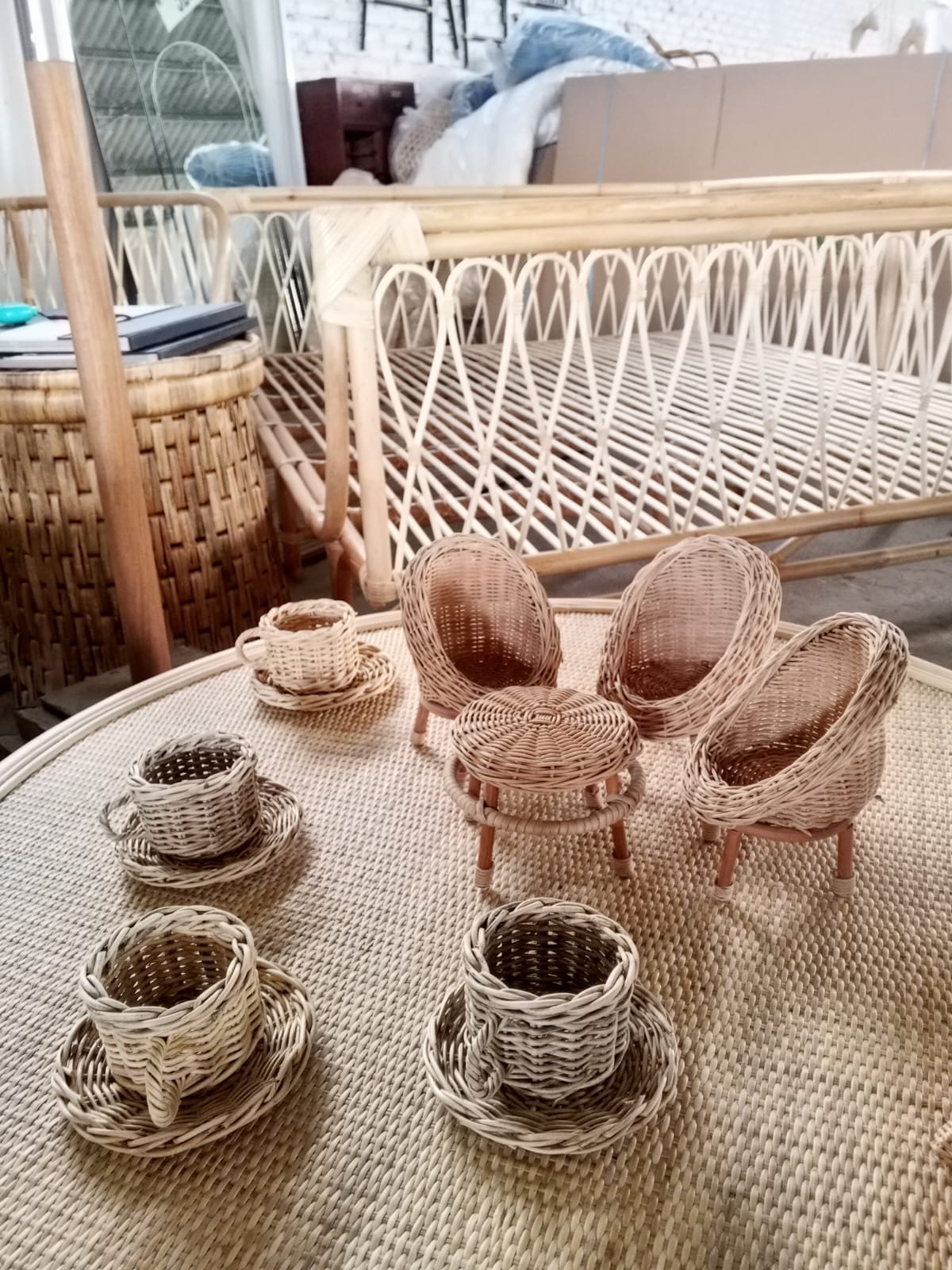
Rattan furniture manufacturing has long been an important industry in many tropical countries, particularly in Southeast Asia. Beyond producing beautiful and functional furniture, this industry also plays a significant role in supporting local communities and contributing to sustainable development. By providing employment opportunities, promoting responsible resource management, and encouraging environmentally friendly practices, rattan furniture manufacturing aligns closely with the goals of sustainable development, often referred to as the Sustainable Development Goals (SDGs).
Creating Employment Opportunities for Local Communities
One of the most direct contributions of rattan furniture manufacturing is the creation of jobs in rural and semi-rural areas. Rattan harvesting, processing, weaving, designing, and assembling furniture all require skilled and semi-skilled workers. These activities provide stable employment for many people who might otherwise have limited economic opportunities.
Local artisans play a central role in this industry. Their expertise in weaving and shaping rattan materials helps produce high-quality furniture that is valued both domestically and internationally. By supporting these artisans, the industry helps preserve traditional craftsmanship while providing sustainable livelihoods.
Supporting Inclusive Economic Growth
Rattan furniture manufacturing contributes to inclusive economic growth by involving various members of the community in the production process. Small workshops, family businesses, and local cooperatives often participate in the supply chain. This structure allows economic benefits to be distributed more widely across communities rather than being concentrated in large industrial centers.
This approach supports economic development in rural regions and strengthens local economies. As demand for rattan furniture grows globally, these communities gain greater opportunities to participate in international markets.
Promoting Responsible Resource Management
Rattan is a renewable natural resource that grows naturally in tropical forests. When harvested responsibly, it can regenerate quickly without causing significant damage to the environment. Sustainable rattan harvesting practices encourage communities to maintain healthy forests where the plants grow.
By protecting forest ecosystems, the rattan furniture industry helps support environmental sustainability and biodiversity conservation. This responsible approach to resource management reflects several principles of the Sustainable Development Goals, particularly those related to environmental protection and sustainable production.
Encouraging Sustainable Production Practices
Many rattan furniture manufacturers use production methods that are relatively environmentally friendly. Traditional weaving and shaping techniques require less energy compared to large-scale industrial processes. In addition, some manufacturers use eco-friendly finishes and coatings that reduce harmful chemical emissions.
These sustainable production practices help minimize the environmental impact of furniture manufacturing while maintaining high product quality. As a result, the industry contributes to more responsible manufacturing systems.
Empowering Local Skills and Cultural Heritage
The craftsmanship involved in rattan furniture production represents valuable cultural knowledge that has been passed down through generations. By maintaining these traditional skills, the industry helps preserve cultural heritage while adapting to modern market demands.
Training programs and skill development initiatives also help younger generations learn rattan crafting techniques, ensuring that these valuable skills continue to exist in the future.
Expanding Global Market Opportunities
Rattan furniture is increasingly popular in global markets due to its natural appearance, durability, and sustainability. As international demand grows, local manufacturers and artisans gain access to broader economic opportunities through exports.
This expansion supports economic development at both the local and national levels, while also promoting environmentally responsible products in international markets.
Conclusion
Rattan furniture manufacturing plays a vital role in supporting local communities and contributing to sustainable development goals. Through job creation, responsible resource management, environmentally friendly production methods, and the preservation of traditional craftsmanship, the industry provides both economic and social benefits.
As global demand for sustainable products continues to grow, the rattan furniture manufacturing sector will remain an important contributor to community development, environmental protection, and the broader goals of sustainable development.