



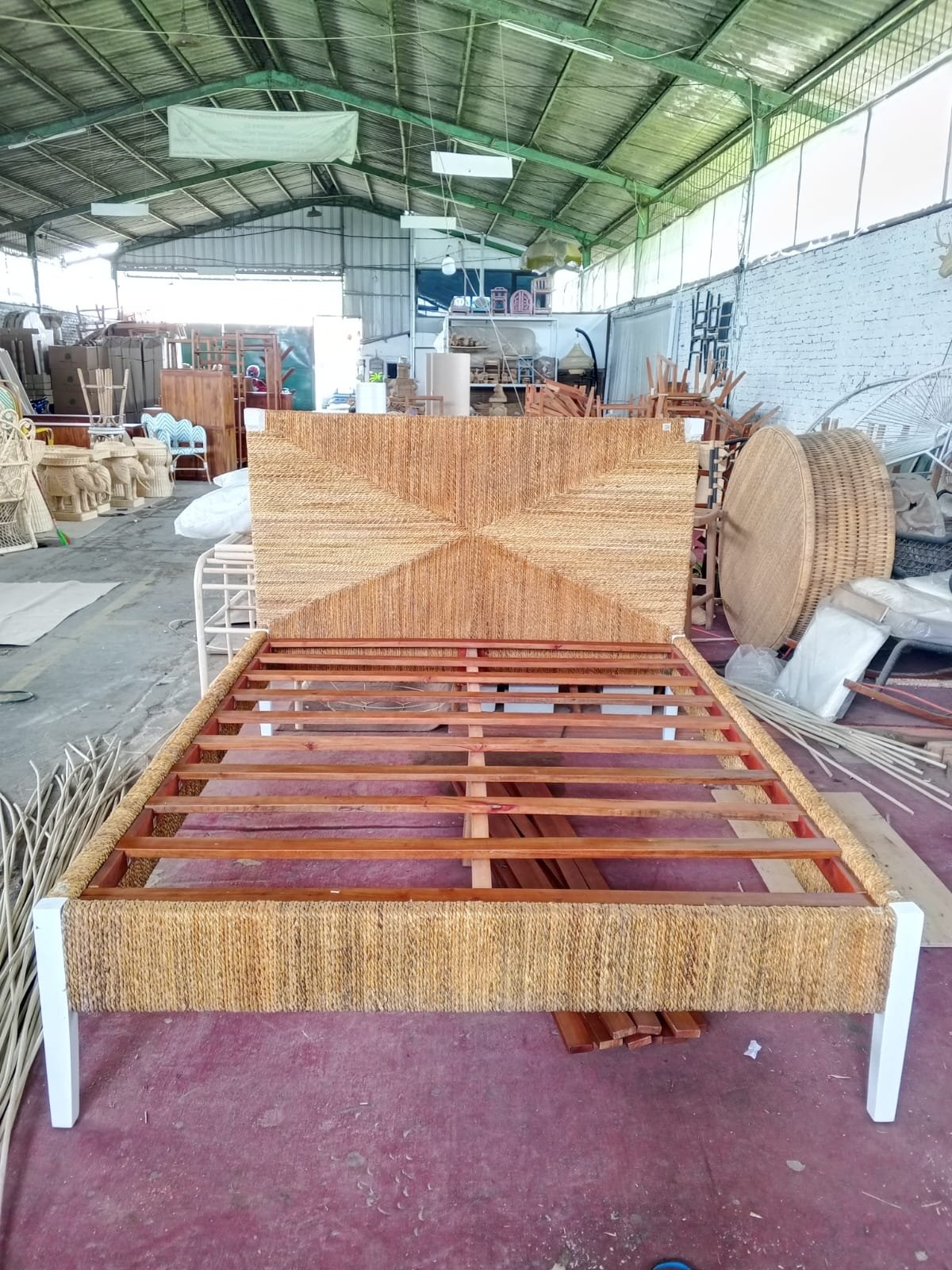
As environmental awareness continues to grow worldwide, the furniture industry is placing greater emphasis on sustainability. Manufacturers and consumers alike are seeking materials that are not only durable and aesthetically appealing but also environmentally responsible. In this context, sustainable materials play a crucial role in rattan furniture manufacturing. By using renewable resources and eco-friendly production methods, the industry contributes to a more sustainable future while maintaining the beauty and functionality of furniture design.
Rattan as a Renewable Natural Resource
Rattan is widely recognized as one of the most sustainable materials used in furniture manufacturing. It is a climbing palm that grows naturally in tropical forests, particularly in Southeast Asia. Unlike hardwood trees that may take decades to mature, rattan grows relatively quickly and can be harvested in a shorter period.
This rapid growth cycle makes rattan a renewable resource, meaning it can be replenished without causing long-term environmental damage. Sustainable harvesting practices ensure that rattan plants continue to grow while maintaining the balance of forest ecosystems.
Reducing Environmental Impact
Using sustainable materials such as rattan helps reduce the environmental impact of furniture production. Traditional hardwood furniture often contributes to deforestation and long-term ecological damage. In contrast, rattan harvesting typically supports forest preservation because the plant thrives in healthy forest environments.
Additionally, rattan furniture manufacturing usually requires less heavy industrial processing compared to other materials. The natural flexibility of rattan allows it to be bent and shaped using heat or steam, reducing the need for energy-intensive machinery.
Supporting Eco-Friendly Production Practices
Sustainable materials are often part of a broader effort to adopt eco-friendly production practices. Many rattan furniture manufacturers use environmentally responsible techniques such as minimizing production waste, recycling leftover materials, and applying water-based or natural finishing products.
These practices help reduce pollution and create a more environmentally friendly manufacturing process. As a result, rattan furniture production aligns with the principles of green manufacturing and sustainable design.
Enhancing Product Durability and Longevity
Another important aspect of sustainable materials is their ability to create long-lasting products. Rattan is known for its strength and durability when properly treated and crafted. High-quality rattan furniture can last for many years, making it a practical and sustainable choice for both residential and commercial use.
Furniture that lasts longer reduces the need for frequent replacement, which ultimately helps decrease waste and resource consumption.
Supporting Sustainable Interior Design
Sustainable materials also contribute to environmentally conscious interior design. Rattan furniture brings natural textures and warm tones into living spaces, creating a strong connection between indoor environments and nature.
Interior designers often combine rattan with other sustainable materials such as bamboo, reclaimed wood, and natural fabrics. This combination creates harmonious spaces that reflect both style and environmental responsibility.
Promoting Economic and Social Sustainability
The use of sustainable materials in rattan furniture manufacturing also supports local communities. In many regions, especially in Southeast Asia, rattan furniture production provides employment opportunities for skilled artisans and craftsmen.
By supporting these industries, sustainable material usage contributes to economic development while preserving traditional craftsmanship and cultural heritage.
Conclusion
Sustainable materials play a vital role in rattan furniture manufacturing by promoting environmentally responsible production, reducing ecological impact, and supporting long-term resource management. Rattan, as a renewable and versatile material, offers a sustainable solution for modern furniture design.
As global demand for eco-friendly products continues to rise, the importance of sustainable materials in rattan furniture manufacturing will remain essential in shaping the future of the furniture industry.