

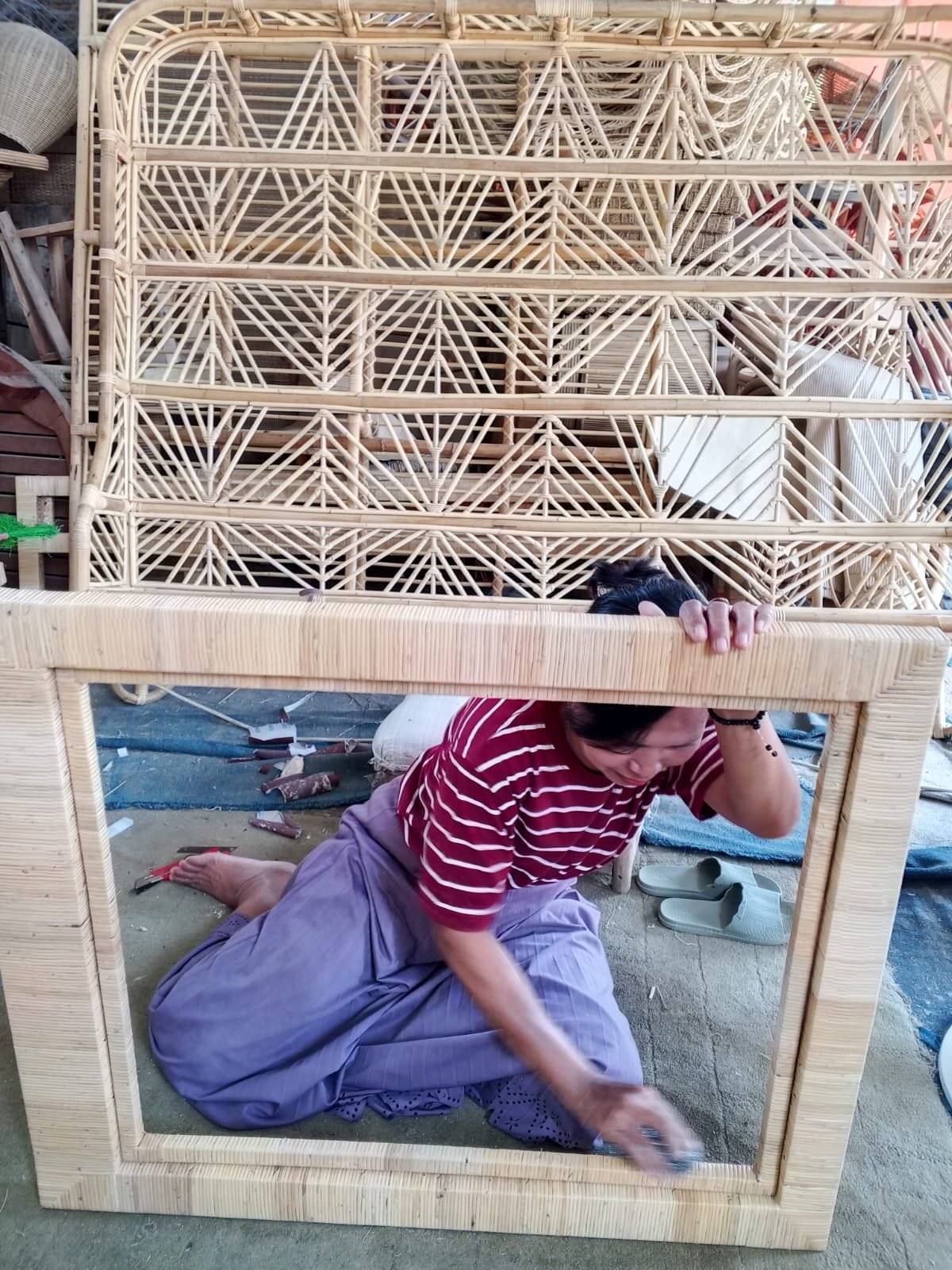
The global furniture industry is continuously evolving as consumer preferences shift toward sustainable, stylish, and high-quality products. Among the many materials used in furniture production, rattan has gained increasing attention due to its natural beauty, flexibility, and environmental benefits. As demand for eco-friendly furniture grows worldwide, rattan furniture manufacturing is expected to experience significant development. Future trends in design, technology, and global trade will create new opportunities for manufacturers and exporters in the rattan furniture industry.
Growing Demand for Sustainable Furniture
One of the most important trends shaping the future of rattan furniture manufacturing is the increasing demand for sustainable products. Modern consumers are becoming more environmentally conscious and prefer furniture made from renewable materials.
Rattan is considered an eco-friendly material because it grows quickly and can be harvested without causing significant environmental damage. Its renewable nature makes it an attractive alternative to traditional hardwood materials. As sustainability becomes a major priority in interior design and furniture production, rattan furniture will continue to gain popularity in international markets.
Innovation in Furniture Design
Another important trend in the rattan furniture industry is the continuous innovation in design. Furniture designers are exploring new shapes, patterns, and structural concepts to meet modern aesthetic preferences.
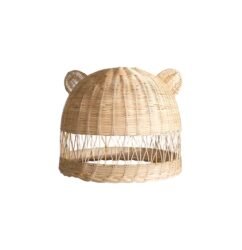
Contemporary rattan furniture often combines traditional weaving techniques with minimalist or modern design styles. Manufacturers are also integrating rattan with other materials such as metal, glass, and fabric to create unique and multifunctional furniture pieces. This fusion of materials allows rattan furniture to fit a wide range of interior design concepts, from modern urban homes to luxury hospitality spaces.
Integration of Modern Manufacturing Technology
Technological advancements are also transforming the rattan furniture manufacturing process. While traditional craftsmanship remains essential, modern machinery is being used to improve production efficiency and product consistency.
Advanced drying systems, precision cutting tools, and improved finishing techniques help ensure that rattan furniture meets international quality standards. These technologies allow manufacturers to increase production capacity while maintaining high levels of craftsmanship and durability.
Expansion of Global Export Markets
Global export opportunities for rattan furniture continue to expand as international demand grows. Markets in Europe, North America, Australia, and the Middle East have shown strong interest in natural and eco-friendly furniture products.
Countries with strong rattan industries, particularly in Southeast Asia, are well positioned to benefit from these opportunities. Manufacturers in these regions often combine access to abundant raw materials with skilled labor and established export networks.
By maintaining high production standards and innovative designs, rattan furniture exporters can continue to strengthen their presence in global markets.
Growth in the Hospitality and Commercial Sector
The hospitality industry is also expected to play a major role in the future growth of rattan furniture manufacturing. Hotels, resorts, restaurants, and cafés frequently use rattan furniture because it creates a warm and natural atmosphere.
As tourism and hospitality development continue to expand worldwide, the demand for stylish and sustainable furniture solutions will increase. Rattan furniture manufacturers can take advantage of this trend by offering customized furniture designs tailored for commercial spaces.
Increasing Focus on Eco-Friendly Production
Another future trend in the rattan furniture industry is the greater emphasis on environmentally responsible production practices. Manufacturers are increasingly adopting sustainable sourcing, waste reduction strategies, and eco-friendly finishing materials.
These practices not only reduce environmental impact but also strengthen the reputation of rattan furniture as a sustainable product in global markets.
Conclusion
The future of rattan furniture manufacturing looks promising as global demand for sustainable and stylish furniture continues to rise. Trends such as eco-friendly design, technological innovation, and expanding export markets will create new opportunities for manufacturers and exporters.
By combining traditional craftsmanship with modern production methods and sustainable practices, the rattan furniture industry is well positioned to remain a key player in the global furniture market for years to come.