

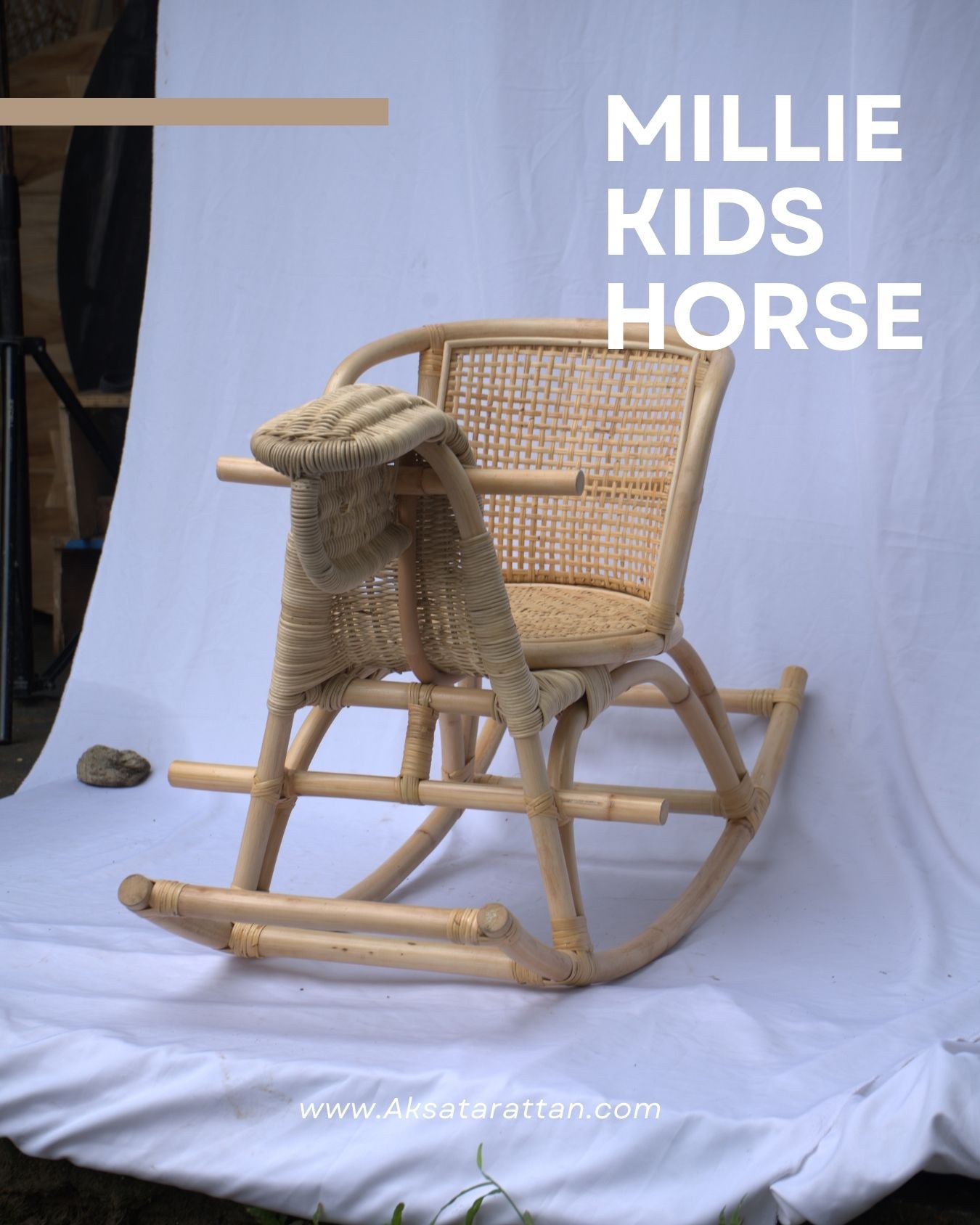
many rattan furniture manufacturers have begun exploring new opportunities beyond traditional furniture production. One of the most promising developments in the industry is the expansion into children’s toy manufacturing. As global demand for sustainable and natural products continues to grow, rattan has emerged as an attractive material for creating toys that are both environmentally friendly and aesthetically appealing.
This shift allows manufacturers to diversify their product lines while responding to changing consumer preferences, particularly among parents who seek safer and more sustainable options for their children.
Growing Demand for Eco-Friendly Toys
The toy industry has traditionally been dominated by plastic products. However, increasing awareness of environmental issues has encouraged many consumers to look for alternatives made from natural and renewable materials.
Parents today are more concerned about the safety and sustainability of the toys their children use. Many prefer products that are free from harmful chemicals and produced using environmentally responsible methods. Rattan, as a natural material that grows quickly and can be harvested sustainably, fits well with this growing demand.
Because of these qualities, rattan toys are gaining popularity in international markets, especially among families who prioritize eco-friendly lifestyles.
Utilizing Existing Craftsmanship and Expertise
Rattan furniture manufacturers already possess valuable skills and experience in working with rattan materials. The weaving, shaping, and finishing techniques used to create furniture can also be applied to the production of children’s toys.
This allows manufacturers to expand into toy production without completely changing their production processes. Skilled artisans who traditionally produce rattan chairs, tables, and baskets can adapt their craftsmanship to create smaller items such as toy storage baskets, doll cradles, miniature chairs, and play accessories.
By utilizing their existing expertise, manufacturers can efficiently develop new product categories while maintaining the high-quality craftsmanship associated with rattan products.
Designing Toys that Combine Function and Aesthetics
One of the key advantages of rattan toys is their ability to serve both functional and decorative purposes. Unlike many conventional toys, rattan products often feature natural colors and elegant woven textures that blend well with modern interior design.
Manufacturers are now designing toys that complement children’s rooms and nursery interiors. Examples include rattan doll beds, toy kitchens, rocking toys, and storage baskets. These products not only provide play value for children but also contribute to the overall aesthetic of the living space.
This combination of functionality and visual appeal makes rattan toys especially attractive to parents who appreciate well-designed home environments.
Supporting Educational and Montessori-Inspired Play
Another reason manufacturers are expanding into rattan toy production is the growing popularity of educational play concepts, particularly Montessori-inspired environments. These approaches emphasize the use of natural materials, simple designs, and child-friendly furniture that encourages independent exploration and creativity.
Rattan toys align well with these principles because they are lightweight, durable, and made from natural materials. Many manufacturers now design toys that support imaginative play, organization, and hands-on learning.
For example, rattan baskets can be used to store toys in a way that encourages children to keep their play areas organized. Small rattan chairs and tables can also support independent play activities.
Expanding Global Market Opportunities
The expansion into children’s toy production also opens new market opportunities for rattan furniture manufacturers. Many international markets, particularly in Europe, North America, and Australia, have strong demand for eco-friendly children’s products.
Online retail platforms and social media marketing have made it easier for manufacturers to promote rattan toys to global audiences. Handmade and sustainable products often receive positive attention from consumers who value authenticity and responsible production.
By entering the children’s toy market, rattan furniture manufacturers can reach new customer segments and strengthen their presence in the international home and lifestyle industry.
Maintaining Safety and Quality Standards
When producing toys for children, safety is a critical consideration. Manufacturers must ensure that rattan toys meet safety standards by carefully smoothing surfaces, avoiding sharp edges, and using non-toxic finishes.
High-quality craftsmanship is essential to ensure that toys are durable and safe for everyday use. By maintaining strict quality control processes, manufacturers can build trust with parents and establish strong reputations in the children’s product market.
These safety measures help ensure that rattan toys remain both attractive and reliable.
Conclusion
The expansion of rattan furniture manufacturers into children’s toy production represents an innovative response to changing market demands. By combining traditional craftsmanship with modern product design, manufacturers can create toys that are sustainable, functional, and visually appealing.
As consumers increasingly seek eco-friendly alternatives to conventional toys, rattan products offer a natural and responsible solution. This growing market not only benefits manufacturers but also supports artisans, promotes sustainable materials, and provides families with safe and beautifully crafted toys for their children.