


The global toy industry has experienced a significant shift toward environmentally friendly products. As awareness of environmental issues continues to grow, many parents are becoming more careful about the materials used in the toys their children play with. This trend has led to an increased demand for toys made from natural, sustainable, and non-toxic materials. Among these alternatives, rattan toys have gained considerable attention as a promising eco-friendly solution.
Rattan toy manufacturing is now emerging as an innovative segment within the broader furniture and handicraft industries. By combining traditional craftsmanship with modern design concepts, rattan toys offer a sustainable option that supports both children’s development and environmental responsibility.
The Growing Demand for Sustainable Toys
Traditional toys are often made from plastic and synthetic materials, which can contribute to environmental pollution and waste. As a result, many parents and educators are searching for alternatives that are safer for children and less harmful to the planet.
Eco-friendly toys made from natural materials such as wood, bamboo, and rattan are becoming increasingly popular. These materials are renewable, biodegradable, and generally require fewer chemicals during production.
Rattan, in particular, is gaining popularity because it grows quickly in tropical forests and can be harvested without causing significant environmental damage when managed responsibly. This makes rattan a highly sustainable raw material for toy manufacturing.
Why Rattan Is Ideal for Toy Production
Rattan has several characteristics that make it suitable for children’s toys. It is lightweight, flexible, and durable, allowing artisans to shape it into a variety of creative designs. These qualities make it possible to produce toys that are both functional and visually appealing.
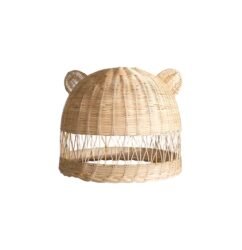
In addition, rattan toys often feature smooth finishes and natural textures that provide a pleasant tactile experience for children. The woven structure of rattan also adds aesthetic value, making these toys attractive for modern homes and nursery interiors.
Because of these advantages, rattan toys are increasingly being used not only as play objects but also as decorative elements in children’s spaces.
Supporting Traditional Craftsmanship
The rise of rattan toy manufacturing also highlights the importance of traditional craftsmanship. Many rattan toys are handmade by skilled artisans who use weaving techniques passed down through generations.
This handcrafted approach ensures that each toy has unique character and quality. At the same time, it supports local communities where rattan crafting is an important source of livelihood.
By choosing rattan toys, consumers contribute to the preservation of traditional craft skills while supporting sustainable economic opportunities for artisans.
Aligning with Modern Parenting Values
Modern parents are increasingly interested in toys that support healthy child development. Many prefer toys that encourage creativity, imagination, and hands-on exploration rather than electronic entertainment.
Rattan toys often follow simple and open-ended designs that allow children to use their imagination during play. Examples include doll cradles, toy storage baskets, miniature chairs, rocking toys, and play accessories.
These toys also align well with educational philosophies such as Montessori learning, which emphasizes natural materials and child-centered environments.
Expanding Market Opportunities
The rising interest in eco-friendly toys has created new opportunities for manufacturers in the rattan industry. Companies that traditionally focused on furniture production are now expanding their product lines to include children’s toys.
International markets, particularly in Europe, North America, and Australia, show strong demand for sustainable children’s products. Online marketplaces and social media platforms have further increased the visibility of rattan toys, allowing manufacturers to reach global customers more easily.
As a result, rattan toy manufacturing is becoming an increasingly important niche within the sustainable product market.
Environmental Benefits of Rattan Toys
Rattan toys contribute to environmental sustainability in several ways. First, rattan is a renewable resource that regenerates quickly compared to many types of wood. Second, many rattan products are made using traditional handcrafting methods that require less industrial energy.
Additionally, rattan toys are biodegradable, meaning they create less long-term waste compared to plastic toys. These environmental advantages make rattan an attractive option for consumers who wish to reduce their ecological footprint.
Conclusion
The rise of rattan toy manufacturing reflects the growing demand for eco-friendly children’s products. With their natural materials, handcrafted quality, and sustainable production methods, rattan toys offer a meaningful alternative to conventional plastic toys.
As parents continue to prioritize safety, creativity, and environmental responsibility, rattan toys are likely to become an increasingly important part of the global toy market. By combining traditional craftsmanship with modern design, rattan toy manufacturing not only supports children’s development but also contributes to a more sustainable future.