


many parents have become more aware of the environmental impact of the products they choose for their families. This growing awareness has led to the rise of eco-conscious parenting, a lifestyle approach that prioritizes sustainability, safety, and responsible consumption. From organic food to eco-friendly clothing, parents are increasingly seeking products that align with these values. One area where this shift is especially visible is in children’s toys.
Rattan toy manufacturing has emerged as an important contributor to eco-conscious parenting. By producing toys made from natural, renewable materials and using traditional crafting techniques, the rattan industry provides parents with a sustainable alternative to conventional plastic toys.
A Natural Alternative to Plastic Toys
Many traditional toys are made from plastic and synthetic materials, which can contribute to environmental pollution and waste. Plastic toys often take a long time to decompose and may release harmful substances into the environment over time.
Rattan toys offer a natural alternative. Rattan is a climbing palm plant that grows abundantly in tropical forests and can be harvested sustainably. Because it is a natural material, rattan can be processed with fewer chemicals compared to many synthetic materials used in toy production.
For eco-conscious parents, choosing toys made from rattan helps reduce reliance on plastic and supports a more environmentally responsible lifestyle.
Supporting Safer Play Environments
Safety is another major concern for parents when selecting toys for their children. Eco-conscious parenting emphasizes products that are safe, non-toxic, and free from harmful chemicals.
Rattan toys are often handcrafted and finished with non-toxic coatings to ensure they meet safety standards. Their lightweight structure and smooth woven surfaces make them comfortable for children to handle during play.
Because rattan toys are made from natural materials, they provide a safer option for children compared to toys that contain artificial additives or synthetic components.
Encouraging Meaningful and Creative Play
Eco-conscious parenting also encourages toys that promote meaningful play and child development. Many parents prefer toys that stimulate imagination and creativity rather than electronic devices or highly complex gadgets.
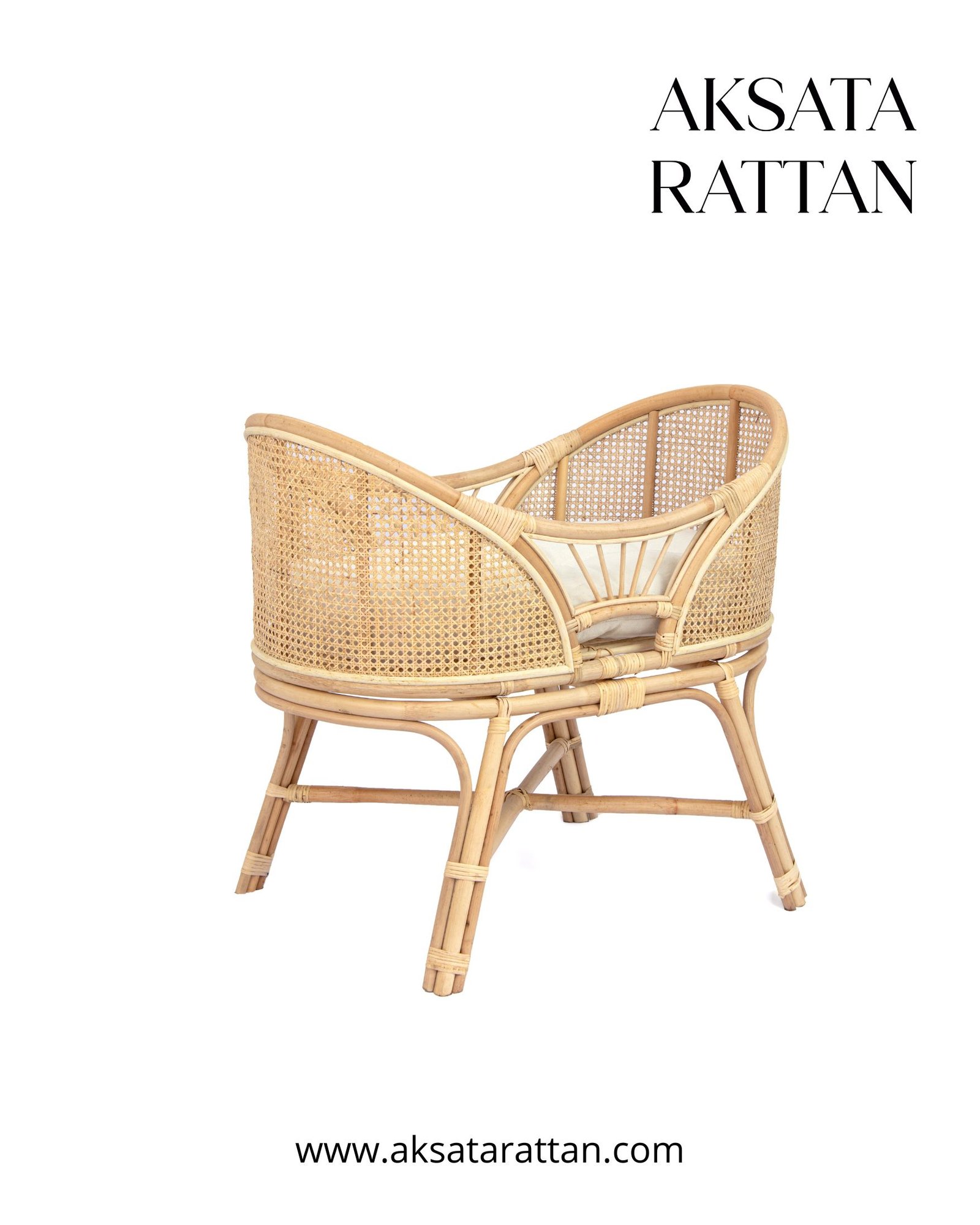
Rattan toys are typically designed with simple and open-ended forms. Items such as doll cradles, toy baskets, miniature chairs, and play accessories allow children to create their own stories and games. This type of play encourages creativity, problem-solving, and independent thinking.
By supporting imaginative play, rattan toys align well with parenting approaches that focus on holistic child development.
Promoting Sustainable Values in Children
Parents who adopt eco-conscious lifestyles often want to teach their children about sustainability and respect for nature. The products children interact with can influence how they understand environmental responsibility.
When children play with toys made from natural materials like rattan, they become familiar with products that come directly from nature. This can help foster early awareness about sustainable resources and responsible consumption.
Over time, these experiences may encourage children to develop environmentally responsible habits as they grow older.
Supporting Ethical and Traditional Craftsmanship
Another important aspect of rattan toy manufacturing is its connection to traditional craftsmanship. Many rattan toys are handmade by skilled artisans using weaving techniques that have been passed down through generations.
By choosing these products, eco-conscious parents support ethical production practices and local artisan communities. This contributes to sustainable economic development in regions where rattan is widely harvested and crafted.
Supporting handmade toys also helps preserve cultural heritage and traditional skills that might otherwise be lost in mass industrial production.
Reducing Environmental Waste
Rattan toys are biodegradable, meaning they naturally break down over time without causing long-term environmental damage. This is a significant advantage compared to plastic toys, which often remain in landfills for decades.
Additionally, the production process for rattan toys typically generates less industrial waste, as many items are handcrafted using minimal machinery. These environmentally friendly production methods align closely with the principles of eco-conscious parenting.
Parents who choose rattan toys can feel confident that they are making choices that benefit both their children and the environment.
Conclusion
Rattan toy manufacturing plays an important role in supporting eco-conscious parenting by providing toys that are safe, natural, and environmentally responsible. Through the use of renewable materials, traditional craftsmanship, and sustainable production methods, rattan toys offer a meaningful alternative to conventional plastic products.
As more parents seek ways to raise their children in environmentally responsible households, the demand for sustainable toys is expected to continue growing. Rattan toys not only provide enjoyable play experiences but also help families embrace a lifestyle that values sustainability, creativity, and respect for nature.