

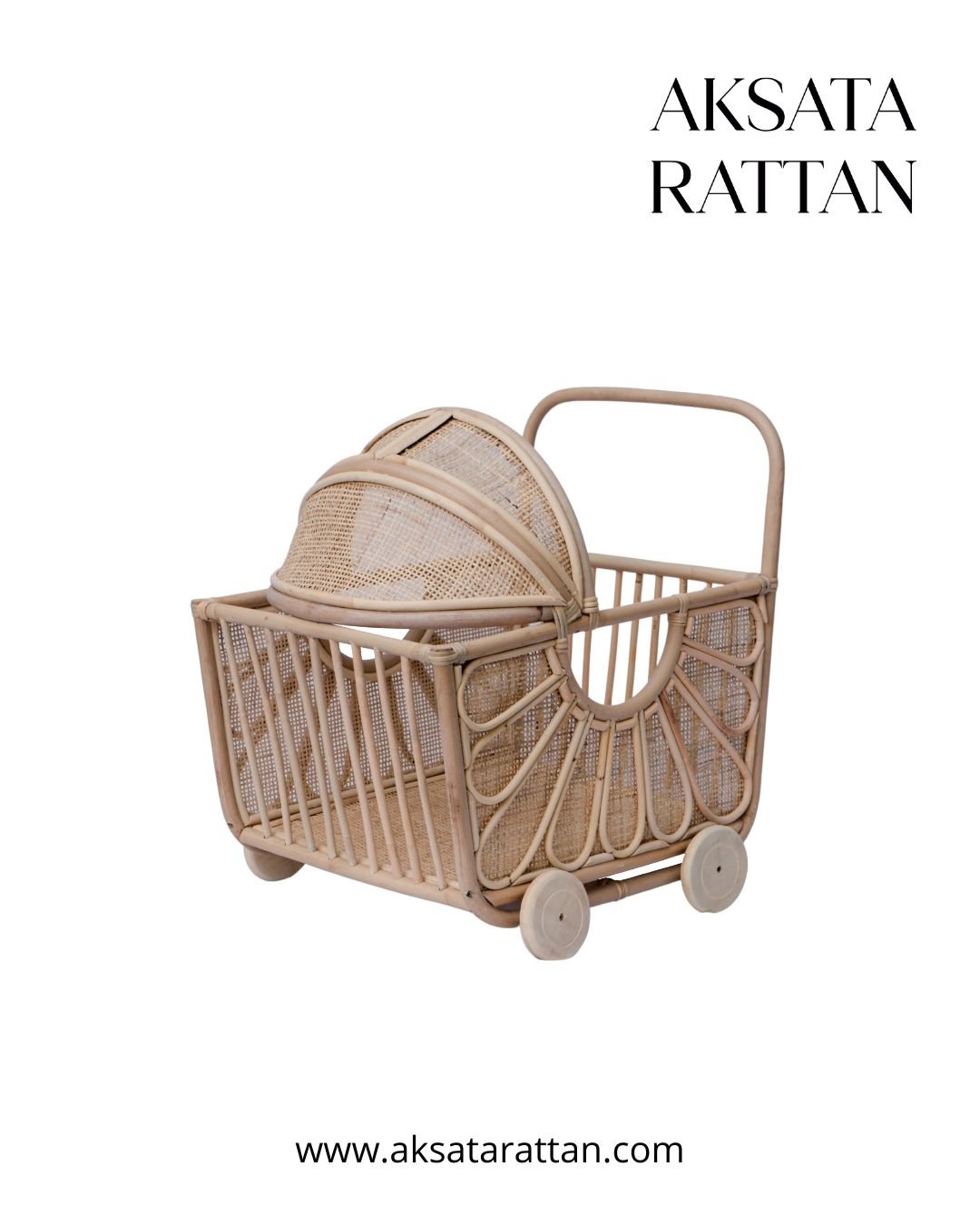
As the demand for eco-friendly and natural children’s toys continues to grow, many rattan furniture manufacturers have expanded their production to include toys made from rattan. Known for its flexibility, strength, and natural beauty, rattan is an ideal material for handcrafted toys. However, when toys are designed for children, safety becomes the most important consideration. Manufacturers must ensure that every product meets strict safety standards while maintaining the natural qualities of the material.
Rattan furniture manufacturers apply several safety measures throughout the design and production process to ensure that rattan toys are safe, durable, and suitable for children.
Careful Selection of Raw Materials
The safety of rattan toys begins with the careful selection of raw materials. Manufacturers choose high-quality rattan that is strong, flexible, and free from defects such as cracks or splinters. Using premium raw materials helps ensure that the finished toys are durable and less likely to break during use.
In many cases, the rattan is also cleaned and treated to remove dirt, insects, or other impurities before it enters the production process. This preparation helps maintain the hygiene and safety of the final product.
Smooth Edges and Safe Construction
One of the most important aspects of toy safety is eliminating sharp edges or rough surfaces that could harm children. Skilled artisans carefully smooth the rattan during the crafting process to ensure that every part of the toy is safe to touch.
The weaving and assembly techniques are also designed to create strong and stable structures. Tight weaving patterns and secure joints prevent the toy from loosening or breaking easily during play.
By focusing on smooth finishing and solid construction, manufacturers reduce the risk of injury while improving the durability of the toy.
Use of Non-Toxic Finishes
Children’s toys must be free from harmful chemicals, especially since young children often touch or place toys in their mouths. Responsible rattan manufacturers address this concern by using non-toxic finishes and coatings.
Natural or water-based finishes are often applied to protect the rattan from moisture and wear while maintaining child safety. These coatings help preserve the natural appearance of the material without introducing harmful substances.
Manufacturers that export toys to international markets also ensure that their finishing materials comply with global safety regulations.
Strong and Durable Design
Durability plays a major role in toy safety. A poorly constructed toy can break easily, creating small parts that may pose choking hazards. To prevent this, rattan toy designs are carefully engineered to withstand regular use by children.
Because rattan is naturally flexible and strong, it can absorb pressure without breaking easily. Manufacturers take advantage of this property by creating stable frames and reinforced structures in their toy designs.
The result is a toy that remains safe and functional even after repeated use.
Compliance with International Safety Standards
Many rattan furniture manufacturers produce toys for international markets, where safety regulations are particularly strict. To meet these requirements, manufacturers often follow recognized safety standards for children’s products.
These standards may include guidelines related to structural stability, material safety, surface smoothness, and the absence of hazardous chemicals. By adhering to these regulations, manufacturers demonstrate their commitment to producing safe and reliable toys.
Regular quality control inspections are also conducted to ensure that each toy meets the required safety criteria before it reaches the market.
Continuous Quality Control
Safety assurance does not stop after production. Quality control processes are implemented at multiple stages of manufacturing to identify and correct potential problems.
Inspectors check for loose weaving, uneven surfaces, or weak structural points that could affect the toy’s safety. Only products that pass these inspections are approved for packaging and distribution.
This consistent monitoring helps maintain high safety standards and ensures that children receive toys that are both enjoyable and secure.
Conclusion
Rattan furniture manufacturers play an important role in producing safe and sustainable toys for children. Through careful material selection, smooth finishing, non-toxic coatings, and strong construction techniques, manufacturers ensure that rattan toys meet high safety standards.
By combining traditional craftsmanship with modern safety requirements, the rattan toy industry provides parents with a reliable and environmentally friendly alternative to conventional plastic toys. As awareness of sustainability and child safety continues to grow, rattan toys will remain an increasingly valuable option for families around the world.