


In recent years, the global toy industry has experienced a significant shift toward more sustainable, natural, and ethically produced products. As parents become increasingly aware of environmental issues and child safety, the demand for eco-friendly toys has grown rapidly. Among the various alternatives to plastic toys, handmade rattan toys have emerged as a popular choice for families around the world.
Rattan toys, crafted from natural materials and often produced through traditional hand-weaving techniques, offer a combination of sustainability, durability, and aesthetic appeal. These qualities have contributed to the rising global demand for handmade rattan toys for children.
Growing Awareness of Eco-Friendly Products
One of the primary drivers behind the demand for handmade rattan toys is the growing awareness of environmental sustainability. Many parents today are actively seeking products that reduce environmental impact and promote responsible consumption.
Plastic toys, although widely available, are often criticized for contributing to pollution and long-term waste. In contrast, rattan is a natural and renewable material that can decompose naturally at the end of its life cycle. This makes rattan toys an environmentally responsible alternative.
As more consumers adopt eco-conscious lifestyles, products made from sustainable materials such as rattan are becoming increasingly attractive.
Preference for Natural and Safe Materials
Parents are also paying closer attention to the materials used in children’s toys. Safety has become a major priority, particularly for toys designed for younger children.
Handmade rattan toys are typically produced using natural materials and non-toxic finishes, making them a safer option compared to some synthetic alternatives. The smooth texture and lightweight structure of rattan also make it suitable for children’s play.
Because these toys are often handcrafted with care, manufacturers are able to maintain high standards of quality and safety throughout the production process.
Appreciation for Handcrafted Products
Another factor contributing to the global demand for rattan toys is the growing appreciation for handcrafted goods. In many markets, consumers are increasingly valuing products that reflect authenticity, craftsmanship, and cultural heritage.
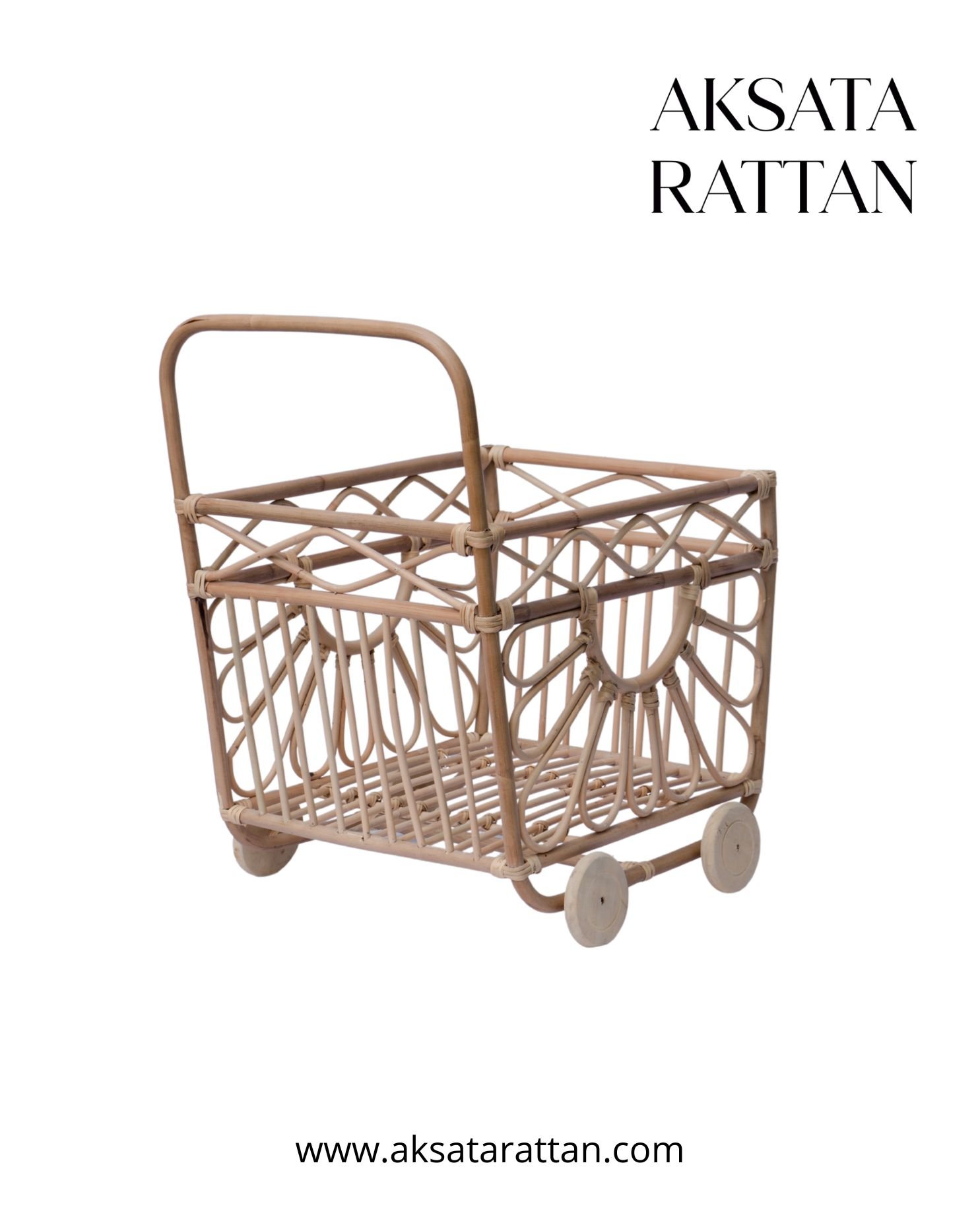
Handmade rattan toys often showcase intricate weaving techniques and traditional skills that have been passed down through generations. Each product carries a unique character that distinguishes it from mass-produced toys.
This appreciation for craftsmanship has made handmade rattan toys especially popular in markets that value artisanal and sustainable products.
Compatibility with Modern Interior Design
In addition to their functionality as toys, rattan products are also admired for their natural aesthetic. Modern parents often prefer toys that complement the interior design of their homes and children’s rooms.
Handmade rattan toys feature warm, natural tones and elegant woven patterns that blend well with popular interior styles such as Scandinavian, minimalist, and bohemian designs. As a result, these toys are sometimes used not only for play but also as decorative elements in nurseries and playrooms.
This dual function increases their appeal in global markets where design-conscious consumers seek both beauty and practicality.
Expansion of International Markets
The international market for handmade rattan toys continues to expand as global trade and online marketplaces make it easier for consumers to access unique handcrafted products from different regions.
Countries in Southeast Asia, particularly those with strong traditions of rattan craftsmanship, play a major role in supplying these toys to international markets. Local artisans and manufacturers are increasingly collaborating with global retailers to meet growing demand.
As export opportunities increase, the handmade rattan toy industry is gaining greater recognition within the global children’s product market.
Supporting Sustainable Communities
The demand for handmade rattan toys also supports local communities where rattan is harvested and crafted. Many of these toys are produced by small-scale artisans who rely on traditional skills for their livelihoods.
By purchasing handmade rattan toys, consumers contribute to sustainable economic development and help preserve traditional craftsmanship. This social impact adds additional value to the product beyond its practical use.
Conclusion
The global demand for handmade rattan toys for kids continues to grow as parents seek products that combine safety, sustainability, and creativity. Made from renewable natural materials and crafted using traditional techniques, rattan toys offer an environmentally friendly alternative to conventional plastic toys.
Their natural beauty, durability, and handcrafted quality have made them increasingly popular in international markets. As eco-conscious consumer behavior continues to shape the future of the toy industry, handmade rattan toys are likely to remain an important and valuable choice for families worldwide.