

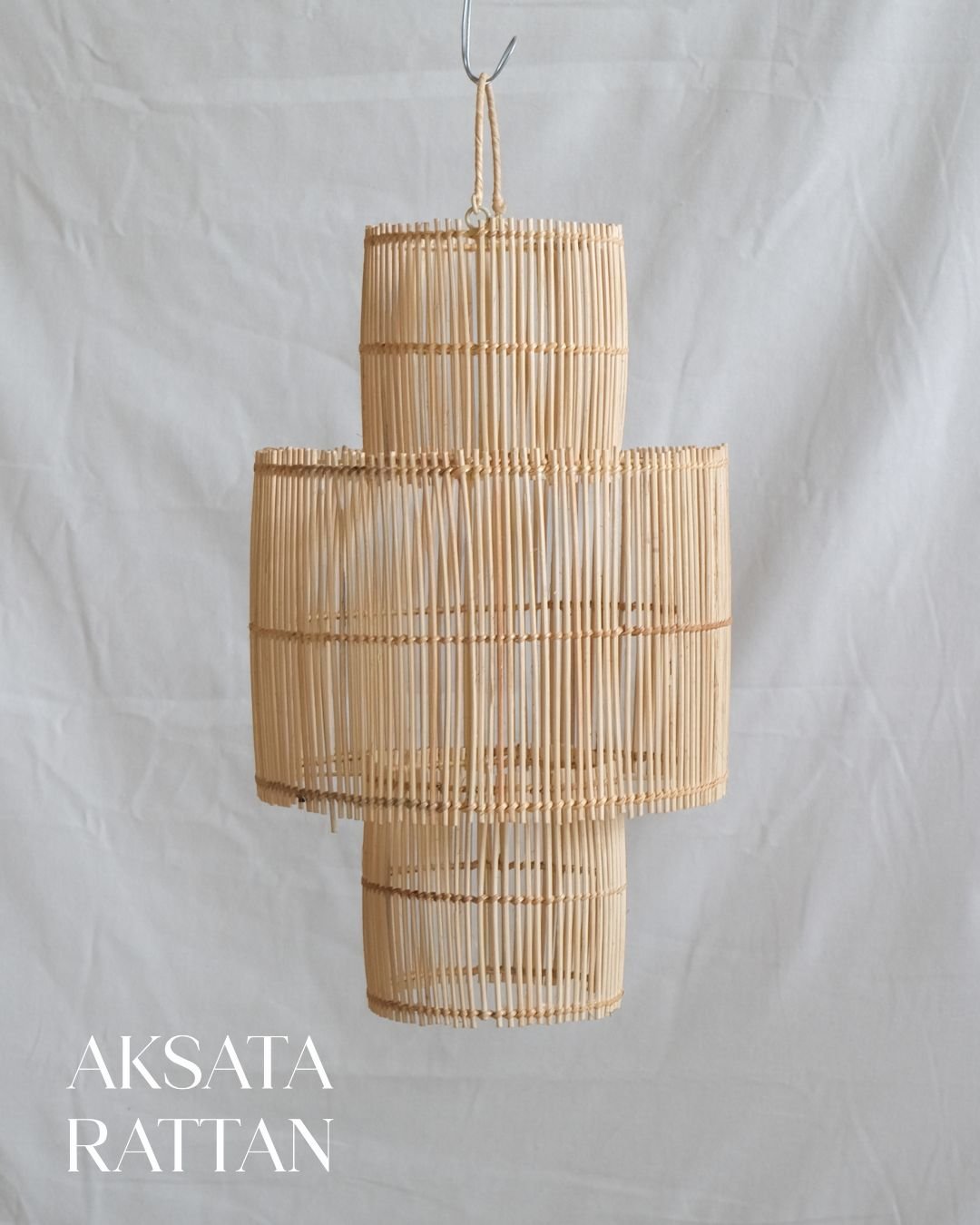
Rattan lanterns have a long history rooted in traditional craftsmanship and cultural heritage. For centuries, artisans in tropical regions have used rattan as a versatile material to create functional household items, including baskets, furniture, and lighting fixtures. Among these creations, rattan lanterns stand out as both practical lighting tools and decorative pieces.
Over time, rattan lanterns have evolved from simple handmade objects into stylish décor elements used in modern interior design. This transformation reflects the ability of traditional craftsmanship to adapt to changing design trends and global market demands.
The Origins of Rattan Lantern Craftsmanship
The history of rattan lanterns begins in communities where rattan plants grow naturally in forests. Rattan is a flexible climbing palm that can be harvested and shaped easily, making it an ideal material for weaving and crafting.
Traditional artisans developed various weaving techniques to transform raw rattan into useful products. Lanterns were often created to hold candles or oil lamps, providing light for homes and outdoor spaces. These lanterns were valued not only for their function but also for their handcrafted beauty.
Each lantern was typically made by hand, with patterns and shapes influenced by local cultural traditions. This craftsmanship became an important part of community life and cultural identity.
The Transition to Decorative Lighting
As societies developed and electric lighting became more common, the role of lanterns began to change. Instead of being used purely as a source of light, rattan lanterns gradually became decorative elements within homes and public spaces.
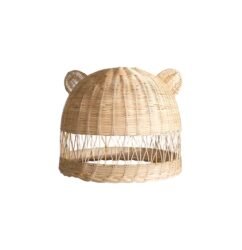
Interior designers began to recognize the aesthetic value of rattan lanterns, particularly their natural texture and warm lighting effect. The woven structure allows light to pass through in unique patterns, creating soft shadows that add depth and visual interest to a room.
This decorative quality helped rattan lanterns gain popularity in both residential and commercial interiors.
Influence of Global Interior Design Trends
In recent decades, global design trends have played a significant role in the evolution of rattan lanterns. As natural and sustainable materials became more desirable, rattan gained renewed attention in modern interior design.
Designers began incorporating rattan lanterns into styles such as tropical, Scandinavian, bohemian, and minimalist interiors. The natural appearance of rattan complements these styles by adding warmth, texture, and a connection to nature.
In addition, modern designers have experimented with new shapes, sizes, and structures, transforming traditional lantern designs into contemporary decorative lighting pieces.
Innovation in Materials and Technology
While traditional rattan lanterns relied on candles or oil lamps, modern versions are often designed to accommodate electric lighting systems. Energy-efficient LED bulbs are now commonly used, making rattan lanterns both practical and environmentally friendly.
Manufacturers also combine rattan with other materials such as metal frames or fabric elements to enhance durability and expand design possibilities. These innovations allow rattan lanterns to fit seamlessly into modern architectural and interior design concepts.
Despite these changes, the core element of handcrafted rattan weaving remains an essential part of their appeal.
Preserving Craftsmanship in Modern Production
Although modern technology has influenced production processes, skilled craftsmanship still plays a central role in the creation of high-quality rattan lanterns. Many artisans continue to use traditional weaving techniques that have been passed down through generations.
This blend of traditional craftsmanship and modern design helps maintain the authenticity of rattan lanterns while allowing them to evolve with contemporary trends. Supporting rattan lantern production also contributes to the preservation of cultural heritage and artisanal skills.
The Future of Rattan Lantern Design
The future of rattan lanterns looks promising as demand for sustainable and natural home décor continues to grow. Consumers are increasingly interested in products that combine environmental responsibility with artistic value.
Rattan lanterns meet these expectations by offering renewable materials, handcrafted quality, and timeless design. As designers continue to explore creative forms and innovative lighting concepts, rattan lanterns are likely to remain an important feature in modern interiors.
Conclusion
The evolution of rattan lanterns demonstrates how traditional craftsmanship can adapt to modern design needs. What once began as a simple handmade lighting tool has transformed into a widely admired decorative element in contemporary interior spaces.
By blending cultural heritage, natural materials, and modern innovation, rattan lanterns continue to bridge the gap between tradition and modern décor. Their enduring appeal ensures that they will remain a meaningful part of interior design for years to come.