



Rattan furniture has been valued for generations because of its natural beauty, flexibility, and durability. While modern tools and technologies have improved efficiency in furniture manufacturing, skilled craftsmanship remains one of the most important factors in producing high-quality rattan furniture. The ability of artisans to shape, weave, and assemble rattan materials with precision plays a vital role in determining the strength, functionality, and aesthetic appeal of the final product. For this reason, skilled craftsmanship continues to be a cornerstone of the rattan furniture industry.
Preserving Traditional Craft Techniques
One of the key roles of skilled craftsmanship in rattan furniture production is preserving traditional crafting techniques. Many rattan furniture designs rely on weaving patterns and shaping methods that have been passed down through generations of artisans.
These traditional skills require patience, experience, and attention to detail. Artisans must understand how to properly bend and weave rattan without damaging the material while maintaining structural stability. The preservation of these techniques not only maintains the authenticity of rattan furniture but also reflects the cultural heritage of the communities where it is produced.
Without skilled craftsmen, many of these traditional techniques could gradually disappear.
Ensuring Structural Strength and Durability
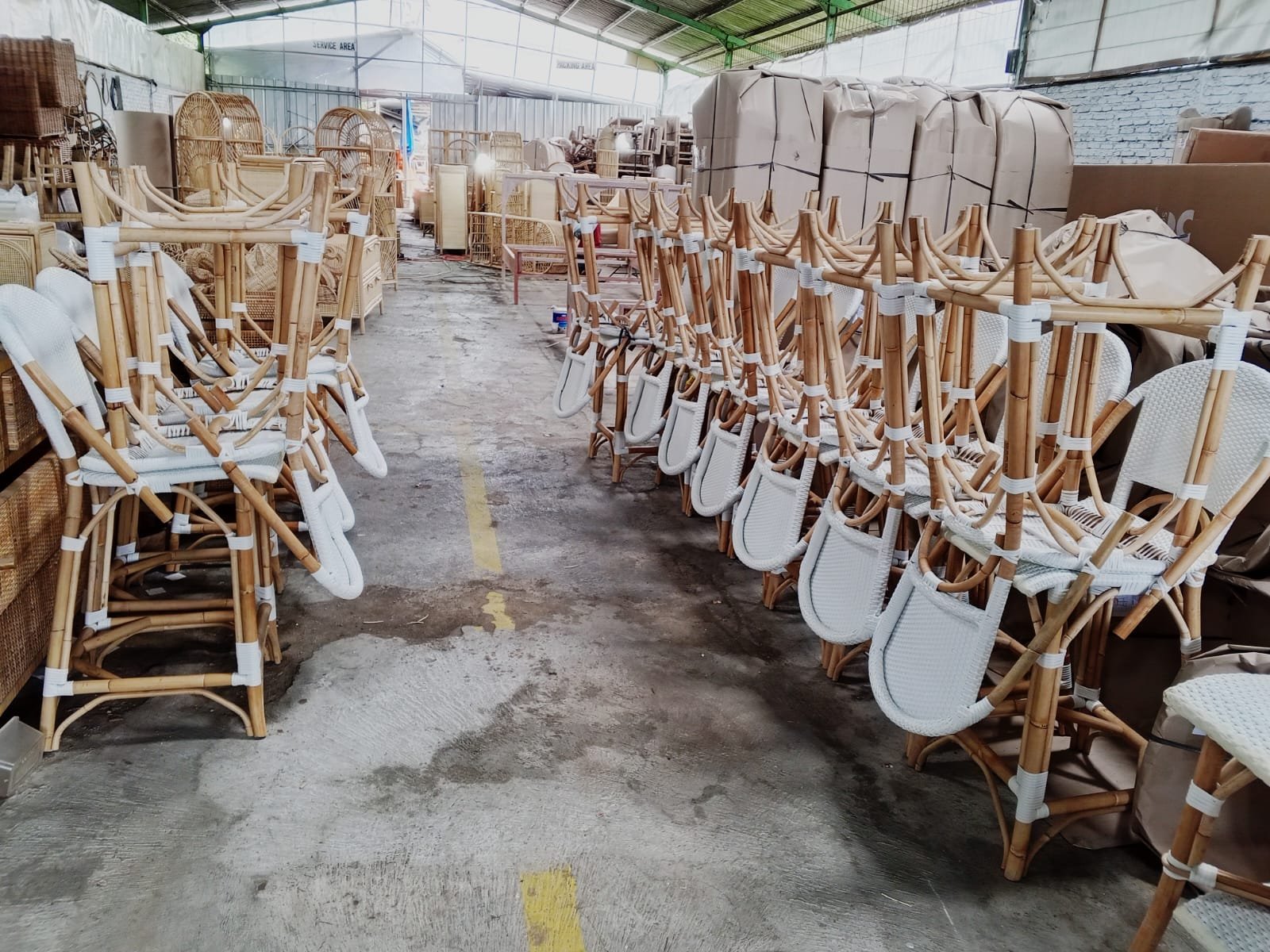
Skilled craftsmanship also plays a major role in ensuring the structural strength of rattan furniture. During production, artisans carefully assemble the frame, weave the rattan fibers, and secure each joint to create a stable and durable structure.
Rattan is naturally flexible, which allows it to be shaped into various forms. However, improper handling during bending or weaving can weaken the material. Skilled craftsmen understand how to work with rattan’s natural properties to create furniture that is both strong and long-lasting.
This expertise ensures that the final product can withstand regular use in homes, offices, or commercial spaces.
Creating Unique and Attractive Designs
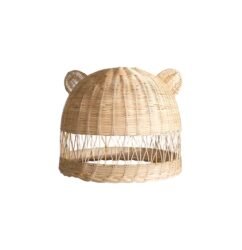
Another important contribution of skilled craftsmanship is the ability to produce unique and visually appealing designs. Handwoven rattan furniture often features intricate patterns and textures that cannot easily be replicated by machines.
Each artisan brings their own experience and creativity into the weaving process, resulting in subtle variations that make each piece of furniture distinctive. This handmade quality adds artistic value and authenticity to the product.
In a global market where many furniture items are mass-produced, this uniqueness gives rattan furniture a competitive advantage.
Supporting Quality Control in Production
Experienced craftsmen also contribute to maintaining consistent quality throughout the production process. Their trained eyes can quickly identify imperfections in the materials or structural issues during assembly.
By addressing these issues early, skilled workers help prevent defects that could affect the final product. Their knowledge of the material and production techniques helps ensure that each piece meets the desired standards of durability, stability, and appearance.
This human expertise complements modern quality control systems used in rattan furniture manufacturing.
Enhancing the Value of Handmade Furniture
Furniture created through skilled craftsmanship often carries greater value in the eyes of consumers. Many buyers appreciate products that reflect human skill, tradition, and careful attention to detail.
Handcrafted rattan furniture is often associated with authenticity and cultural artistry, which increases its appeal in international markets. This perception of value allows manufacturers to position rattan furniture not only as functional products but also as decorative pieces with artistic significance.
As a result, craftsmanship plays a key role in strengthening the brand identity of rattan furniture producers.
Conclusion
Skilled craftsmanship remains an essential element in rattan furniture production. From preserving traditional weaving techniques to ensuring structural durability and creating unique designs, the expertise of artisans significantly influences the quality and value of the final product.
Although modern technology has improved efficiency in manufacturing, the human skill involved in crafting rattan furniture continues to define its character and authenticity. By investing in the development and preservation of skilled craftsmanship, the rattan furniture industry can maintain its reputation for quality and continue to thrive in the global market.