



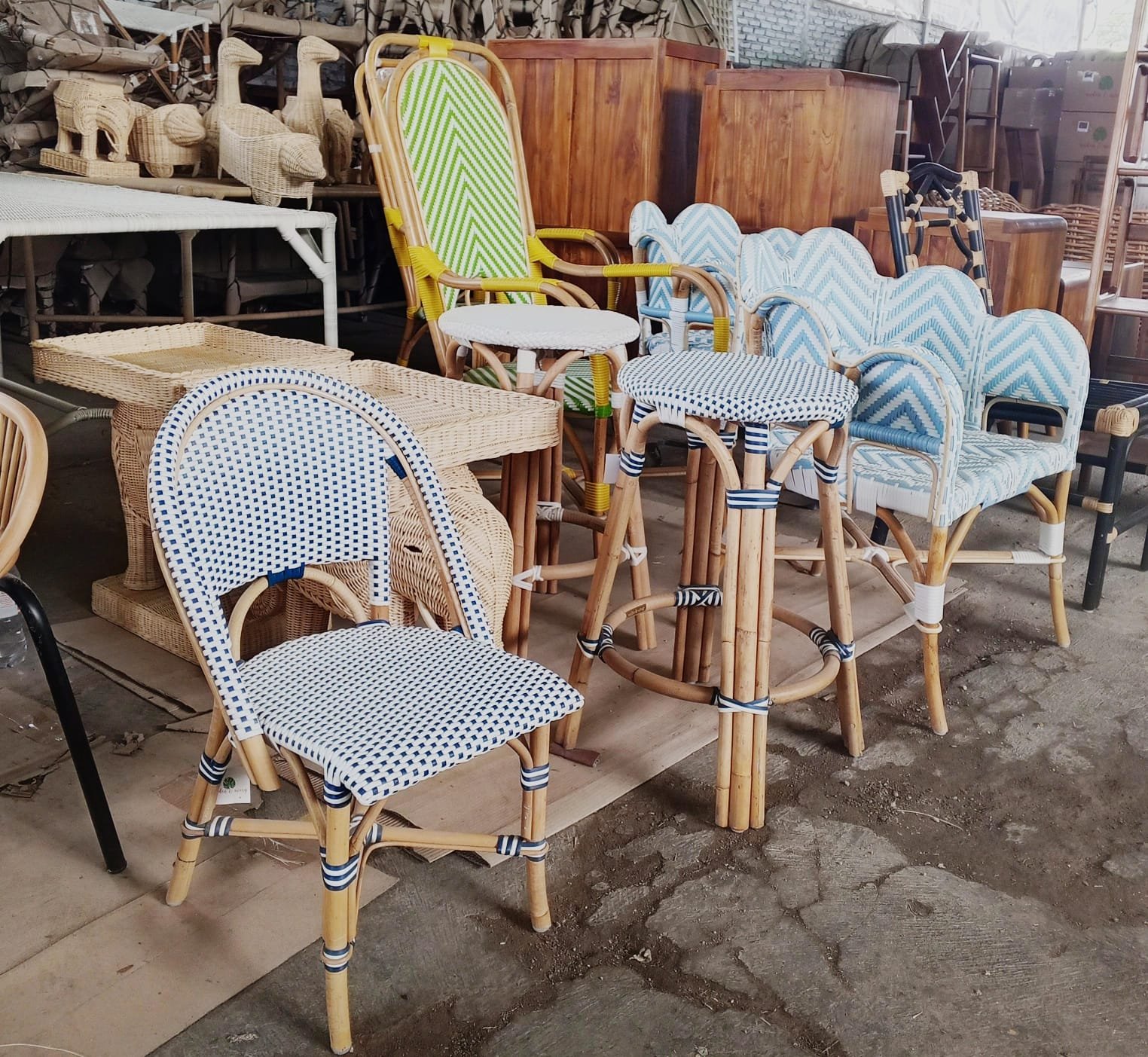
As environmental awareness continues to grow around the world, industries are increasingly being evaluated based on their ecological impact. In the furniture sector, rattan furniture manufacturing stands out as one of the more environmentally friendly alternatives to conventional materials such as hardwood or plastic. Rattan’s natural characteristics, combined with responsible production practices, make it an important contributor to sustainable manufacturing and environmental preservation.
A Renewable Natural Resource
One of the most significant environmental benefits of rattan furniture manufacturing is the use of a renewable natural resource. Rattan is a fast-growing climbing palm that thrives in tropical forests, particularly in Southeast Asia. Unlike hardwood trees that may take several decades to mature, rattan can grow and be harvested within a much shorter period.
This rapid growth cycle allows rattan to regenerate quickly after harvesting, making it a sustainable material for long-term use. By utilizing a renewable resource, rattan furniture manufacturing helps reduce pressure on slow-growing timber forests and supports more responsible resource management.
Supporting Forest Conservation
Rattan plays an important role in maintaining forest ecosystems. Because rattan grows naturally in tropical forests and depends on trees for support, its cultivation encourages the preservation of forest environments. Communities that harvest rattan often have a strong incentive to protect forests, as their livelihoods depend on the continued availability of this resource.
As a result, the rattan industry can contribute to forest conservation by promoting sustainable harvesting practices and discouraging deforestation. Protecting these ecosystems helps maintain biodiversity and supports the health of natural habitats.
Lower Carbon Footprint in Production
Compared to many other furniture materials, rattan generally requires less energy-intensive processing. The manufacturing process typically includes steps such as cutting, drying, bending, weaving, and finishing. These processes often involve less heavy industrial machinery than those required for materials like metal or plastic.
Because the production process consumes relatively less energy, rattan furniture manufacturing can produce a lower carbon footprint. Additionally, many manufacturers are now adopting environmentally friendly production methods, including water-based finishes and non-toxic adhesives, which further reduce environmental impact.
Biodegradable and Natural Material
Another environmental advantage of rattan furniture is its biodegradability. As a natural material, rattan can decompose naturally over time without releasing harmful chemicals into the environment. This contrasts with synthetic furniture materials that may take many years to break down and often contribute to landfill waste.
Using biodegradable materials supports a more sustainable product lifecycle, making rattan furniture a responsible choice for environmentally conscious consumers.
Promoting Sustainable Design
Rattan furniture also supports sustainable design principles. Its natural texture, warm color, and flexible structure allow designers to create aesthetically pleasing furniture while minimizing reliance on synthetic or environmentally harmful materials.
Many modern designers integrate rattan into eco-friendly interior designs that emphasize natural elements, simplicity, and sustainability. This trend helps promote environmentally responsible consumption patterns and encourages the use of renewable materials in furniture production.
Supporting Eco-Friendly Economic Activities
The environmental benefits of rattan furniture manufacturing are closely linked with its economic impact. In many tropical regions, local communities rely on rattan harvesting and furniture production as a source of income. These communities often adopt sustainable harvesting methods to ensure that rattan resources remain available for future generations.
By supporting local economies while encouraging responsible resource management, the rattan industry contributes to both environmental protection and sustainable development.
Conclusion
Rattan furniture manufacturing offers numerous environmental benefits that make it an attractive alternative to many traditional furniture materials. Its renewable nature, role in forest conservation, lower carbon footprint, and biodegradability contribute to more sustainable production and consumption patterns.
As global demand for environmentally responsible products continues to grow, rattan furniture manufacturing is likely to play an increasingly important role in supporting sustainable industries. By choosing rattan furniture, consumers and businesses can help promote a greener and more environmentally conscious future.