


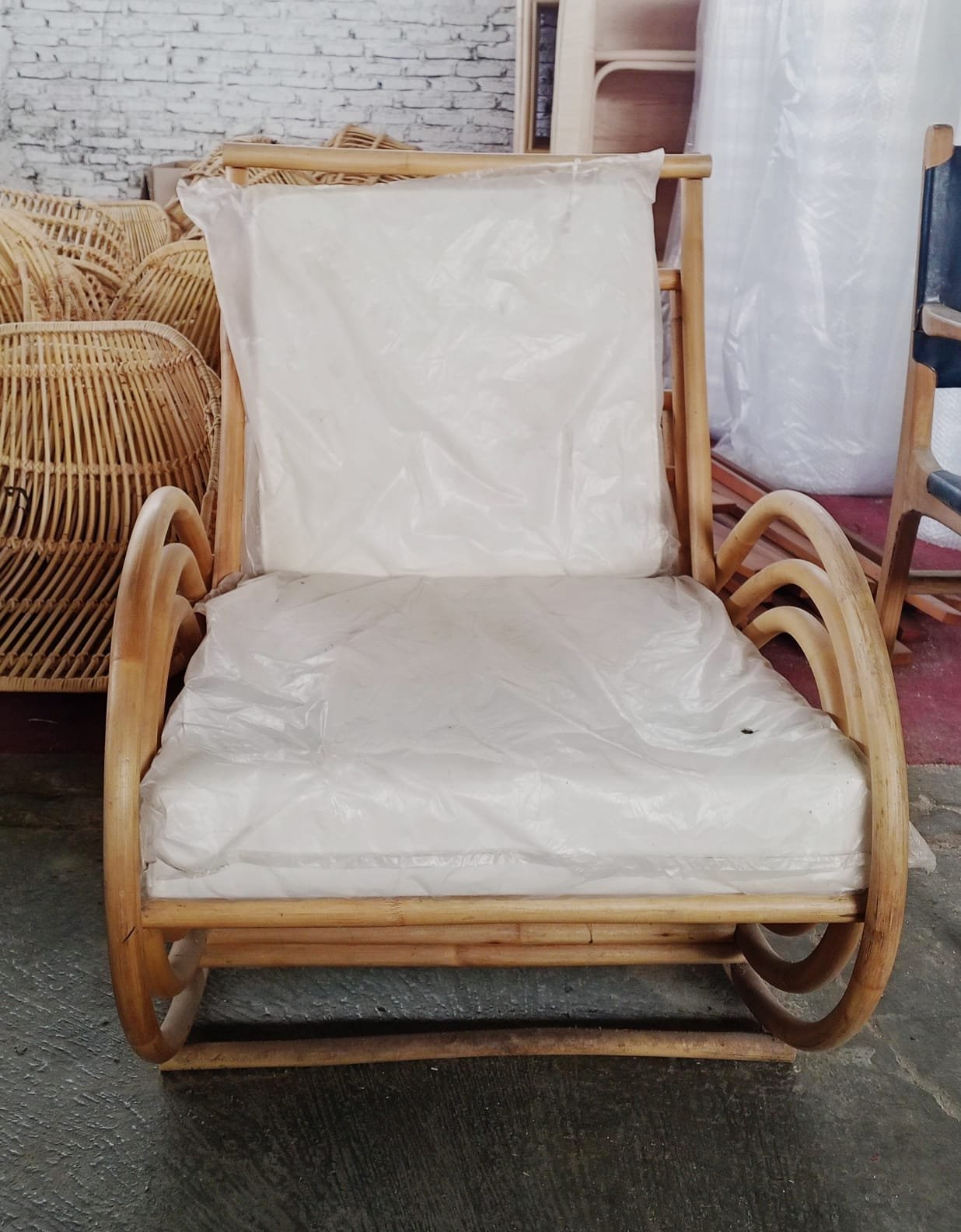
As global awareness of environmental issues continues to grow, the furniture industry is increasingly shifting toward sustainable and eco-friendly solutions. Consumers, designers, and manufacturers are actively searching for materials and production methods that reduce environmental impact while maintaining high-quality standards. In this context, rattan furniture manufacturing has emerged as an important contributor to green furniture solutions. Through the use of renewable materials, sustainable production practices, and environmentally responsible design, the rattan industry plays a meaningful role in promoting a greener furniture sector.
The Use of Renewable Natural Materials
One of the main reasons rattan furniture manufacturing supports green furniture solutions is the use of rattan as a primary raw material. Rattan is a fast-growing climbing palm that naturally grows in tropical forests. Unlike hardwood trees, which may take decades to mature, rattan can be harvested in a much shorter time.
Because of this rapid growth cycle, rattan is considered a renewable resource that can be harvested repeatedly without causing long-term environmental damage. Using renewable materials helps reduce pressure on slow-growing timber resources and encourages more sustainable material management in the furniture industry.
As a result, rattan furniture is often viewed as an environmentally responsible alternative to conventional wood-based furniture.
Lower Environmental Impact During Production
Another important advantage of rattan furniture manufacturing is the relatively low environmental impact during the production process. Compared to furniture made from metal, plastic, or engineered materials, rattan furniture typically requires less energy-intensive manufacturing.
The production process usually includes cutting, drying, bending, weaving, assembling, and finishing the rattan material. These processes often rely on manual craftsmanship and lightweight tools rather than heavy industrial machinery.
In addition, many manufacturers are adopting eco-friendly production practices, such as using water-based coatings, non-toxic adhesives, and improved waste management systems. These practices help reduce harmful emissions and environmental pollution during manufacturing.
Supporting Sustainable Forest Management
Rattan furniture manufacturing also supports sustainable forest management. Since rattan grows naturally in forest ecosystems and relies on surrounding trees for support, the preservation of forests is essential for maintaining rattan resources.
Local communities that harvest rattan often have a strong incentive to protect forests because their livelihoods depend on the availability of this natural resource. This economic motivation encourages sustainable harvesting practices and helps prevent large-scale deforestation.
By promoting responsible forest use, the rattan industry contributes to long-term environmental conservation.
Durability and Long Product Lifespan
Sustainability in furniture production is not only about materials but also about product longevity. Durable furniture reduces the need for frequent replacement, which in turn minimizes waste and resource consumption.
Rattan furniture is known for its strength and flexibility. When properly treated and maintained, it can last for many years while maintaining its structural integrity and visual appeal. This durability supports green furniture solutions by extending the lifecycle of furniture products.
Long-lasting furniture helps reduce landfill waste and encourages more responsible consumption habits.
Encouraging Eco-Friendly Interior Design
Rattan furniture also contributes to environmentally friendly interior design trends. Designers increasingly prefer natural materials that create a sense of warmth, comfort, and harmony within living spaces.
The organic texture and neutral tones of rattan make it suitable for various interior styles, including minimalist, tropical, Scandinavian, and contemporary designs. By integrating natural materials into modern interiors, designers promote a more sustainable approach to furniture and home decoration.
This trend further increases the demand for eco-friendly furniture solutions in global markets.
Conclusion
Rattan furniture manufacturing plays an important role in supporting green furniture solutions. Its use of renewable materials, lower environmental impact during production, contribution to sustainable forest management, and product durability make it an environmentally responsible choice within the furniture industry.
As sustainability continues to influence consumer preferences and industrial practices, rattan furniture manufacturing is likely to become even more significant in the development of eco-friendly furniture solutions. By choosing rattan furniture, both manufacturers and consumers can contribute to a more sustainable and environmentally conscious future.