
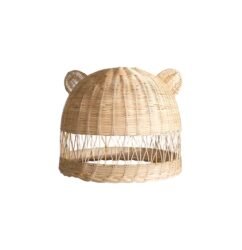
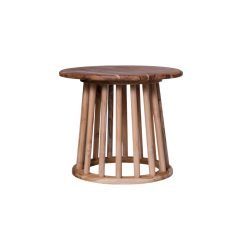
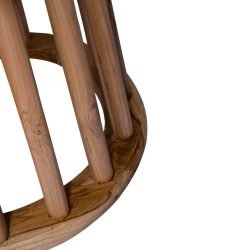

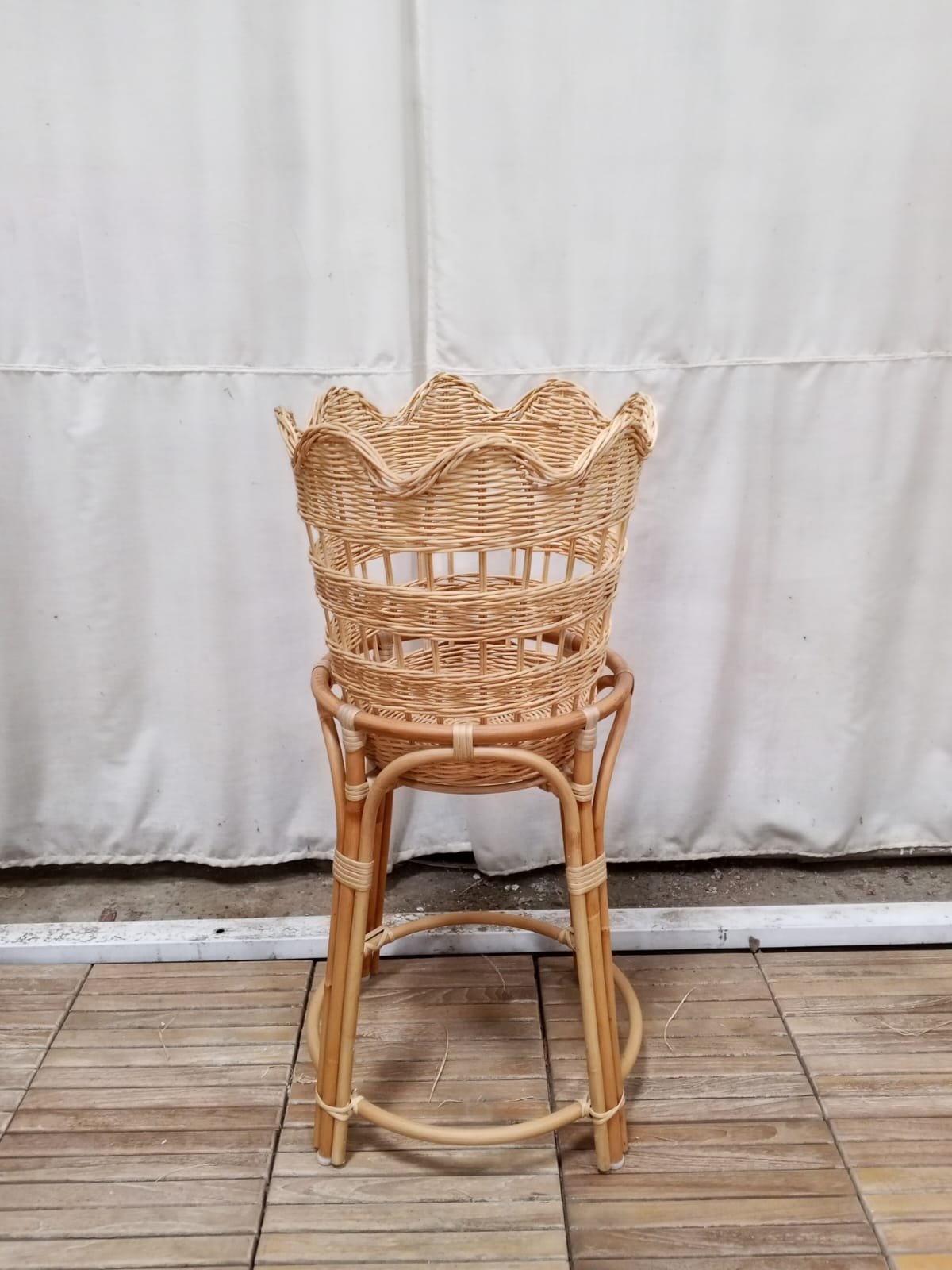
The quality of materials plays a crucial role in the success of rattan furniture manufacturing. While craftsmanship and design are important factors, the type and condition of raw materials used in production greatly influence the durability, appearance, and overall value of the finished product. Manufacturers that prioritize high-quality rattan and supporting materials are more likely to produce furniture that meets international standards and satisfies customer expectations. In the competitive global furniture market, the use of quality materials is one of the key factors that determines the long-term success of rattan furniture products.
The Importance of Selecting High-Quality Rattan
The foundation of every rattan furniture product lies in the quality of the raw rattan itself. Rattan used in manufacturing must be strong, flexible, and free from structural defects. High-quality rattan has a consistent diameter, smooth surface, and sufficient strength to support furniture structures.
Properly selected rattan allows manufacturers to bend and shape the material without causing cracks or breakage. This flexibility is essential in creating curved furniture frames and intricate woven patterns.
When manufacturers use carefully selected rattan, the resulting furniture becomes more durable and visually appealing.
Improving Durability and Structural Strength
Furniture durability is a critical factor for both residential and commercial use. High-quality materials significantly improve the structural strength of rattan furniture.
Strong rattan fibers allow furniture frames to support weight effectively while maintaining stability over time. In addition, quality materials are less likely to weaken or deteriorate when exposed to environmental conditions such as humidity or temperature changes.
This durability is particularly important for furniture used in hospitality settings such as hotels, resorts, and restaurants, where furniture must withstand frequent use.
Enhancing the Aesthetic Appeal of Furniture
The visual appearance of rattan furniture is another aspect that depends heavily on material quality. High-grade rattan has a cleaner texture and more uniform color, which contributes to a more attractive final product.
Quality materials also allow craftsmen to create smoother weaves and more refined details. When combined with professional finishing techniques such as sanding, staining, and coating, high-quality rattan produces furniture that looks elegant and well-crafted.
Consumers often associate this refined appearance with premium furniture products.
Supporting Efficient Manufacturing Processes
Using high-quality materials can also improve efficiency during the manufacturing process. Rattan that is properly prepared and free from defects is easier to cut, shape, and assemble.
When manufacturers work with consistent materials, production becomes more predictable and fewer errors occur during assembly. This reduces material waste and minimizes the need for repairs or replacements during production.
As a result, manufacturers can maintain steady production timelines while preserving product quality.
The Role of Complementary Materials
In addition to rattan itself, other supporting materials also influence the quality of the final product. These materials may include wooden frames, metal reinforcements, adhesives, and protective finishes.
High-quality adhesives help secure woven rattan components, while durable coatings protect furniture surfaces from moisture, dust, and wear. Strong structural frames provide additional support and stability to the furniture design.
When all supporting materials meet high standards, the overall performance and longevity of rattan furniture improve significantly.
Meeting International Quality Standards
Global buyers often expect furniture products to meet strict quality and safety standards. Manufacturers that use premium materials are better positioned to meet these requirements.
High-quality materials help ensure that furniture products maintain consistent performance, structural reliability, and visual appeal. This consistency strengthens the reputation of manufacturers and helps them build long-term relationships with international buyers.
Meeting these expectations is essential for companies that aim to compete in the global furniture market.
Conclusion
Quality materials are one of the most important factors in achieving successful outcomes in rattan furniture manufacturing. From selecting strong and flexible rattan to using reliable supporting materials, every element contributes to the durability, appearance, and overall value of the finished product.
By prioritizing high-quality materials, manufacturers can produce furniture that meets international standards, improves customer satisfaction, and strengthens their competitiveness in the global market. In the long term, the commitment to quality materials helps ensure the continued growth and reputation of the rattan furniture manufacturing industry.