




Sustainability has become one of the most influential factors shaping global industries. Consumers, designers, and businesses are increasingly seeking products that are environmentally responsible while still maintaining high quality and aesthetic value. Within the furniture industry, rattan has emerged as one of the most promising natural materials. As a result, rattan furniture manufacturing has experienced significant global growth, especially in the era of sustainable development.
The Rising Demand for Sustainable Furniture
Modern consumers are becoming more aware of environmental issues such as deforestation, climate change, and excessive waste production. This awareness has encouraged many people to choose furniture made from renewable and eco-friendly materials.
Rattan is particularly attractive in this context because it is a fast-growing natural resource that can regenerate quickly. Unlike many hardwood trees that require decades to mature, rattan grows relatively rapidly and can be harvested without destroying the forest ecosystem. These characteristics make rattan furniture an appealing choice for environmentally conscious consumers around the world.
The Role of Natural Aesthetics in Modern Living
Another factor contributing to the growth of rattan furniture manufacturing is the increasing popularity of natural aesthetics in interior design. Many people today prefer living spaces that feel warm, comfortable, and connected to nature.
Rattan furniture offers a distinctive natural texture and organic appearance that complements many interior styles. It is commonly used in design themes such as tropical, coastal, Scandinavian, minimalist, and bohemian interiors. This versatility allows rattan furniture to fit both traditional and modern living environments.
Because of its lightweight structure and elegant design, rattan furniture is widely used in living rooms, dining areas, bedrooms, and outdoor spaces.
Expansion of the Global Hospitality Industry
The global hospitality industry has also played an important role in the expansion of rattan furniture manufacturing. Hotels, resorts, restaurants, and cafés often use rattan furniture to create relaxing and visually appealing spaces.
Rattan furniture is particularly popular in outdoor settings such as garden lounges, poolside areas, and resort terraces. Its natural appearance helps create an inviting atmosphere for guests, while its lightweight structure makes it easy to move and arrange.
As tourism continues to grow in many parts of the world, demand for stylish and sustainable furniture solutions is expected to increase.
Innovation in Rattan Furniture Design
Although rattan furniture has a long history rooted in traditional craftsmanship, modern manufacturers are constantly introducing innovations in design and production techniques. Today’s rattan furniture often combines natural rattan with other materials such as metal, glass, wood, and fabric.
These combinations improve the durability and functionality of furniture while maintaining its natural aesthetic appeal. Designers are also experimenting with new shapes, textures, and weaving patterns to meet the preferences of contemporary consumers.
Innovation in design has allowed rattan furniture to expand beyond traditional markets and appeal to younger generations and modern interior designers.
Supporting Local Economies and Communities
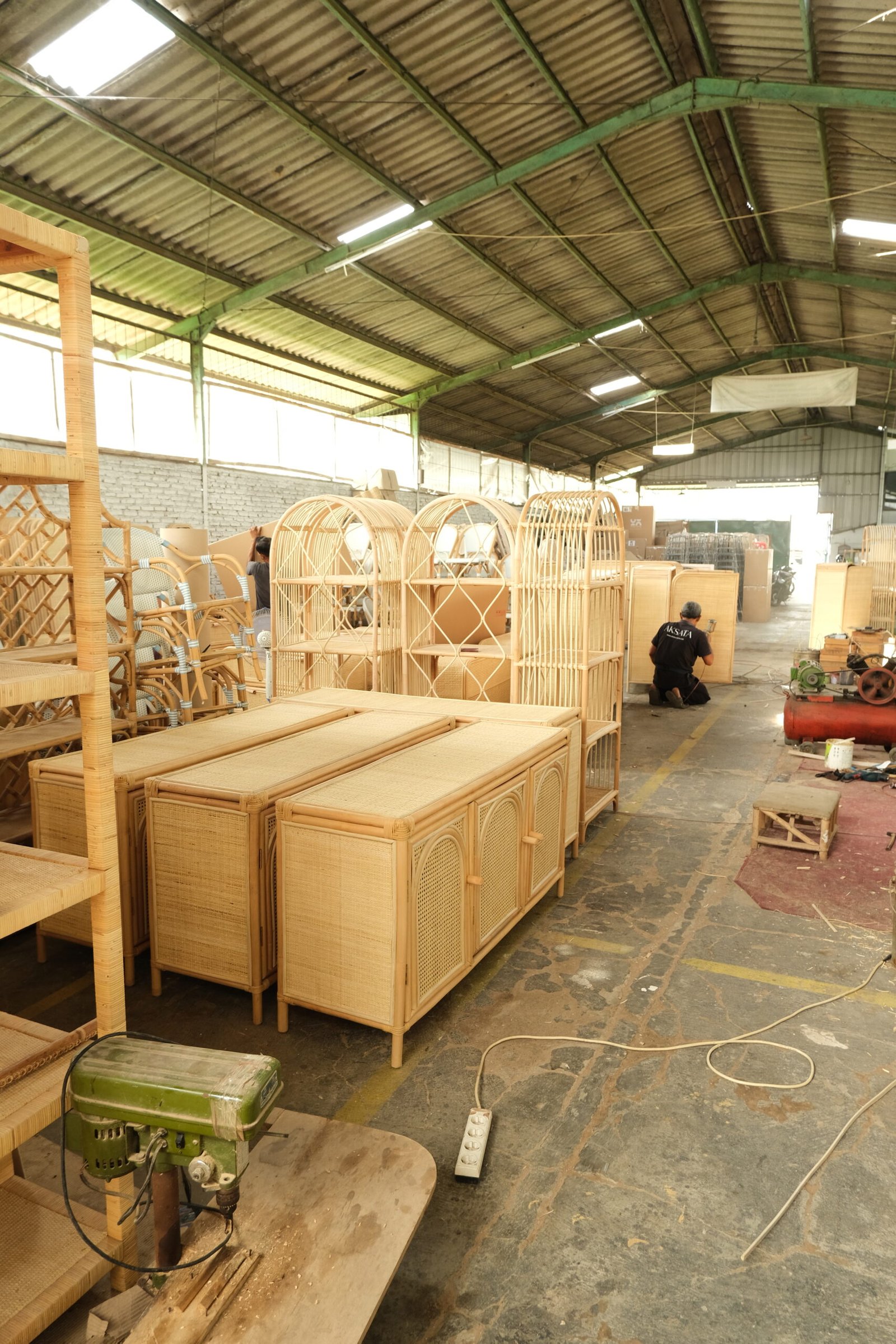
The growth of rattan furniture manufacturing also has positive social and economic impacts. In many producing countries, the industry provides employment opportunities for local communities, particularly skilled artisans who specialize in weaving and furniture craftsmanship.
These jobs help preserve traditional skills while supporting rural economies. In addition, many rattan manufacturers work closely with local suppliers to ensure sustainable harvesting practices that protect forest resources.
By supporting both economic development and environmental sustainability, the rattan industry plays an important role in responsible global trade.
The Future of Rattan Furniture Manufacturing
As sustainability continues to influence consumer behavior and industrial practices, the future of rattan furniture manufacturing looks promising. The combination of renewable raw materials, traditional craftsmanship, and modern design innovation allows rattan products to meet the evolving expectations of global markets.
Manufacturers that prioritize sustainable sourcing, responsible production methods, and creative design will be well positioned to compete in the growing eco-friendly furniture sector.
Conclusion
The global growth of rattan furniture manufacturing reflects a broader shift toward sustainability in the furniture industry. With its renewable nature, natural beauty, and versatility, rattan offers a compelling alternative to less sustainable materials.
As environmental awareness continues to rise and consumers seek products that combine style with responsibility, rattan furniture manufacturing is expected to remain an important and expanding part of the global furniture market in the sustainable era.