

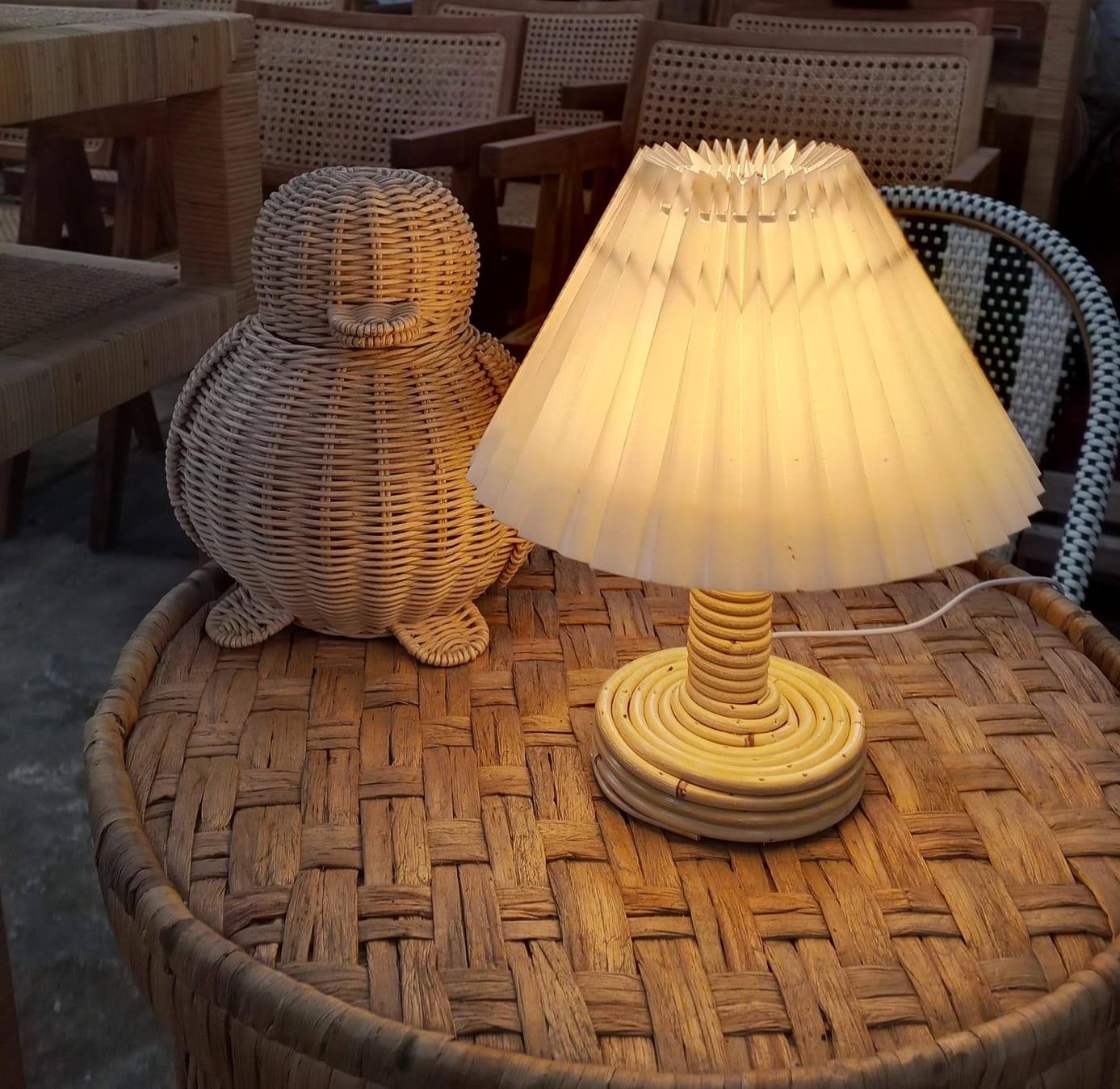
The global rattan furniture manufacturing sector has grown significantly over the past few decades. Known for its natural beauty, lightweight structure, and sustainable characteristics, rattan furniture has become increasingly popular in both residential and commercial markets. However, like many global industries, the rattan furniture sector faces various challenges while also presenting numerous opportunities for growth and innovation. Understanding these challenges and opportunities is essential for manufacturers, designers, and policymakers who aim to strengthen the industry’s future.
Growing Global Demand for Natural Furniture
One of the major opportunities for the rattan furniture industry is the rising global demand for natural and environmentally friendly products. As consumers become more environmentally conscious, many are seeking furniture made from renewable materials rather than synthetic or non-sustainable alternatives.
Rattan is widely recognized as a sustainable material because it grows relatively quickly and can be harvested without cutting down trees. This environmental advantage makes rattan furniture appealing to eco-conscious consumers, interior designers, and hospitality businesses that prioritize sustainable design.
As awareness of environmental issues continues to grow, the demand for rattan furniture is expected to increase in international markets.
Expansion of International Markets
Another important opportunity for the rattan furniture manufacturing sector is the expansion of global trade. Many countries now import rattan furniture for residential use, hospitality projects, and commercial spaces.
The growth of the global tourism and hospitality industries has also contributed to increased demand for stylish and durable furniture. Hotels, resorts, cafés, and restaurants frequently use rattan furniture to create relaxing and visually attractive environments.
In addition, the rise of online retail platforms allows manufacturers to promote and sell their products to international buyers more easily. Digital marketing and e-commerce have opened new channels for reaching global customers.
Competition from Synthetic and Alternative Materials
Despite its advantages, the rattan furniture industry faces strong competition from synthetic materials and alternative furniture options. Products made from plastic, metal, engineered wood, or synthetic fibers can sometimes be produced at lower costs and with faster manufacturing processes.
Synthetic rattan, for example, has become popular for outdoor furniture due to its resistance to weather conditions. While natural rattan still offers superior aesthetic and environmental value, manufacturers must continue to innovate to remain competitive against these alternatives.
Maintaining product quality, durability, and design innovation is essential for differentiating natural rattan furniture in the global market.
Supply Chain and Resource Management Challenges
Another challenge faced by the industry involves the management of raw material supply. Although rattan is a renewable resource, sustainable harvesting practices must be maintained to prevent overexploitation.
In some regions, poor forest management or illegal harvesting practices can threaten the long-term availability of rattan. Manufacturers and governments must work together to ensure responsible sourcing and proper forest management to protect the future of the industry.
Establishing sustainable supply chains is increasingly important as global buyers demand transparency and environmental responsibility.
The Need for Skilled Labor
Rattan furniture manufacturing relies heavily on skilled artisans who are experienced in weaving and crafting techniques. These skills often require years of training and practice.
However, in some regions, younger generations may be less interested in traditional craftsmanship careers, leading to a shortage of skilled labor. Without proper training and knowledge transfer, valuable craftsmanship traditions may gradually decline.
To address this challenge, training programs and industry support are necessary to encourage new artisans and preserve traditional weaving techniques.
Opportunities for Innovation and Design Development
While challenges exist, the rattan furniture sector also has strong opportunities for innovation. Designers and manufacturers are increasingly experimenting with new shapes, weaving patterns, and material combinations.
By combining natural rattan with materials such as metal, glass, or fabric, manufacturers can create modern furniture designs that appeal to contemporary consumers. These innovations allow rattan furniture to remain relevant in evolving interior design trends.
Innovation in production technology, finishing methods, and sustainable materials can also improve efficiency and product performance.
Strengthening Sustainability and Eco-Friendly Branding
Sustainability is becoming a powerful marketing advantage in the global furniture market. Because rattan is naturally renewable and environmentally friendly, manufacturers can position their products as sustainable alternatives to less eco-friendly materials.
By adopting environmentally responsible production practices, such as eco-friendly finishes and waste reduction strategies, companies can strengthen their brand reputation and attract environmentally conscious buyers.
This focus on sustainability can help the rattan furniture sector differentiate itself in a competitive global market.
Conclusion
The global rattan furniture manufacturing sector faces a combination of challenges and opportunities. Competition from alternative materials, supply chain management issues, and the need for skilled labor present significant obstacles for the industry. However, rising global demand for sustainable furniture, expanding international markets, and ongoing design innovation offer strong opportunities for growth.
By focusing on sustainable resource management, product quality, innovation, and skilled craftsmanship, the rattan furniture industry can continue to thrive and strengthen its position in the global furniture market.