

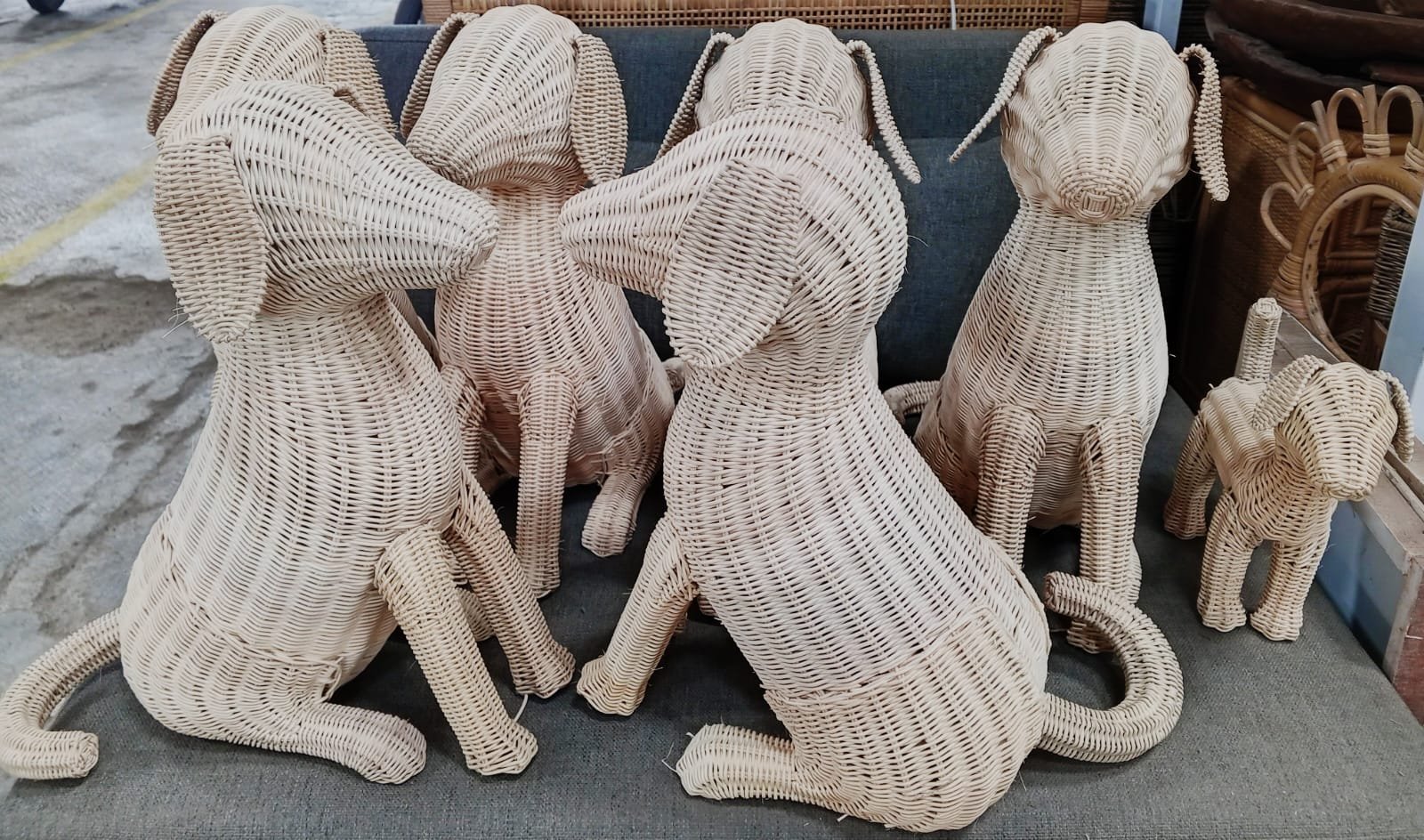
Natural rattan has long been recognized as a versatile and sustainable material in furniture manufacturing. Its unique combination of durability, flexibility, and aesthetic appeal provides significant advantages for manufacturers and designers. In an era where consumers increasingly value eco-friendly, stylish, and functional products, natural rattan offers distinct competitive benefits that set it apart from other materials such as synthetic fibers, metal, or engineered wood.
Renewable and Environmentally Friendly Material
One of the primary competitive advantages of natural rattan is its sustainability. Rattan is a fast-growing climbing palm that can be harvested without damaging forest ecosystems, unlike hardwood trees that require decades to mature. This renewable characteristic allows manufacturers to produce furniture responsibly, minimizing environmental impact.
Moreover, natural rattan production supports sustainable forest management. By providing economic incentives for local communities to maintain healthy forests, the rattan industry contributes to ecological preservation and biodiversity. For eco-conscious consumers and businesses, this environmental advantage strengthens the appeal of rattan furniture.
Durability and Strength
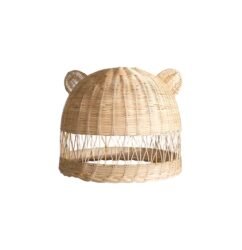
Despite its lightweight structure, natural rattan is remarkably strong and flexible. These properties make it suitable for a wide range of furniture applications, including chairs, tables, cabinets, and outdoor furniture. Its flexibility allows it to bend without breaking, enabling the creation of complex shapes and intricate weaving patterns.
The combination of strength and flexibility ensures long-lasting furniture that can withstand regular use. This durability gives manufacturers a competitive edge by offering products that provide both functionality and longevity.
Aesthetic Versatility and Natural Appeal
Natural rattan has a unique texture and warm, organic color that enhances interior design aesthetics. Its neutral tones and natural patterns make it highly adaptable to various design styles, including tropical, Scandinavian, minimalist, bohemian, and contemporary interiors.
Additionally, rattan’s aesthetic versatility allows manufacturers to experiment with innovative designs, combining it with materials such as metal, glass, or wood. This creative potential makes rattan furniture attractive to both domestic and international markets seeking distinctive and stylish pieces.
Lightweight and Practical
Another advantage of natural rattan is its lightweight nature. Unlike heavy wooden or metal furniture, rattan furniture is easy to move, assemble, and rearrange. This practicality appeals to both residential consumers and commercial clients, including hotels, resorts, and cafés, where flexibility in furniture placement is often required.
The ease of handling also reduces shipping costs and logistics challenges, giving manufacturers a cost-effective advantage when exporting products to global markets.
Supporting Traditional Craftsmanship
Rattan furniture manufacturing often relies on skilled artisans who use traditional weaving and crafting techniques. This human touch adds intrinsic value to each piece, offering a level of authenticity and craftsmanship that mass-produced furniture cannot replicate.
Manufacturers that highlight the artisanal nature of their rattan furniture gain a competitive advantage in markets where consumers appreciate handmade, culturally rich products. Preserving these skills also ensures long-term sustainability of the craft, reinforcing the material’s unique market position.
Appeal in Eco-Friendly and Luxury Markets
Natural rattan aligns perfectly with current consumer trends emphasizing sustainability and luxury. Its eco-friendly properties attract environmentally conscious buyers, while the sophisticated weaving and design potential appeal to the premium and luxury furniture segments.
By positioning natural rattan furniture as both sustainable and high-end, manufacturers can tap into multiple market segments simultaneously, enhancing brand reputation and global competitiveness.
Conclusion
Natural rattan offers a multifaceted competitive advantage in furniture manufacturing. Its renewable and eco-friendly properties, combined with durability, flexibility, aesthetic appeal, and artisanal value, make it a preferred material for modern consumers and international markets.
Manufacturers who leverage these advantages through innovative designs, sustainable practices, and skilled craftsmanship can strengthen their position in the competitive global furniture industry. As demand for sustainable, stylish, and functional furniture continues to rise, natural rattan will remain a highly valuable and competitive material for years to come.